


Energy is the cornerstone of modern civilization, influencing every facet of our lives, from the electricity powering our homes to the gasoline fueling our vehicles. Understanding the dichotomy between renewable and non-renewable energy sources is paramount in the context of climate change and environmental sustainability.
1. Definitions and Overview
Energy sources are primarily categorized into two broad classes: renewable and non-renewable. Renewable energy sources are those that can be replenished naturally in a relatively short timeframe. They include solar, wind, hydroelectric, geothermal, and biomass energy. In contrast, non-renewable energy sources are finite and consist chiefly of fossil fuels (coal, oil, and natural gas) and nuclear energy derived from uranium. These sources can take millions of years to form and are being consumed at an alarming rate, leading to dire environmental repercussions.
2. Renewable Energy Sources
Renewable energy sources are pivotal in mitigating climate change. Their expansive potential helps reduce greenhouse gas emissions and promotes a sustainable future.
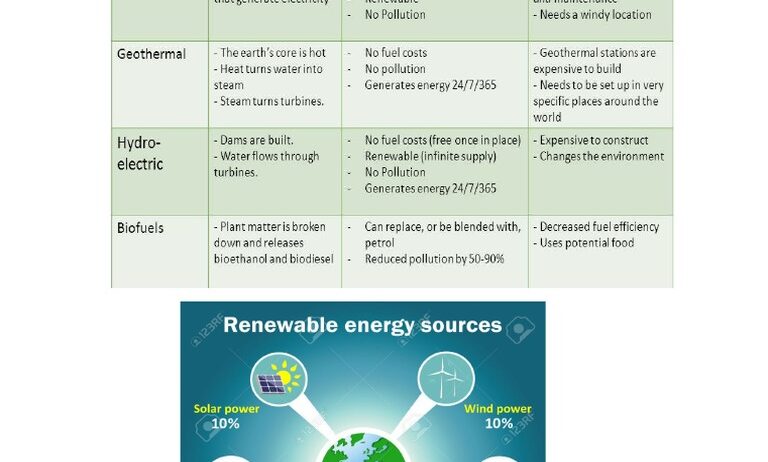
- Solar Energy: Solar power utilizes photovoltaic cells or solar thermal systems to harness sunlight. It is versatile and can be deployed on both small and large scales. Innovations in solar technology continue to enhance efficiency and decrease costs, making it increasingly accessible.
- Wind Energy: Wind turbines convert kinetic energy from wind into electrical energy. Wind farms can be found onshore and offshore, each with unique benefits. The geographical placement of these farms is of paramount importance to maximizing output and minimizing environmental impacts.
- Hydroelectric Power: This form of energy generates electricity through the flow of water, typically utilizing dams to regulate water flow. While highly efficient, hydroelectric projects can disrupt local ecosystems and habitats if not managed prudently.
- Geothermal Energy: Geothermal systems exploit heat stored beneath the Earth’s surface. This resource is highly reliable, but its availability is location-dependent, limiting its application in certain regions.
- Biomass Energy: Biomass energy is derived from organic materials, such as agricultural waste, wood, or other plant matter. While it does release carbon dioxide, the growth of these plants can sequester equivalent amounts, positioning biomass as a potentially carbon-neutral energy source.
3. Non-Renewable Energy Sources
Non-renewable energy sources are critical to global energy supply, but their extraction and consumption incur significant environmental costs.
- Fossil Fuels: Fossil fuels, including coal, oil, and natural gas, are formed from ancient organic matter. They are the predominant sources of energy worldwide. Their combustion releases substantial greenhouse gases and pollutants, contributing to air quality issues and climate change.
- Nuclear Energy: Derived from the fission of uranium atoms, nuclear energy is a highly efficient source of power, generating large amounts of electricity with minimal carbon emissions. However, concerns regarding radioactive waste disposal, the potential for catastrophic accidents, and the threat of nuclear proliferation persist.
4. Environmental Impact
The environmental ramifications of utilizing these energy sources cannot be overstated. Renewables tend to have a lower environmental footprint, but they are not without consequences. Land-use changes, habitat disruption, and resource depletion must be considered in projects involving solar farms or wind installations. Conversely, non-renewable sources are predominantly correlated with harmful emissions, air and water pollution, and climate change exacerbation.
5. Economic Considerations
Shifting toward renewable energy can foster job creation and stimulate economic growth. The renewable energy sector is increasingly becoming a significant source of employment, significantly outpacing job creation in fossil fuel industries. However, transitioning from non-renewable to renewable sources requires substantial investment and commitment from governments and private entities. Incentives, subsidies, and research funding are critical for facilitating this transition.
6. Technological Innovations
Technological advancements are shaping the energy landscape. Innovations such as energy storage solutions, smart grids, and improved energy efficiency measures are essential. Energy storage technologies, such as batteries, allow for surplus renewable energy to be stored for use during periods of high demand or low production, addressing the intermittency issues associated with renewables.
7. The Future of Energy
The future of energy lies in a hybrid model that embraces both renewable and non-renewable sources, with an overarching goal of minimizing environmental harm. Policymakers must enact strict regulations on emissions while supporting research and development in clean technologies. Educational initiatives can also raise awareness and drive public support for transitioning toward a more sustainable energy framework.
8. Conclusion
Understanding renewable and non-renewable energy sources is crucial as society navigates the challenges of climate change and environmental degradation. The urgency for a transformative approach to energy consumption and production is clear. A sustainable future requires a conscientious melding of technology, policy, and public engagement. Moving forward, the path to a cleaner energy portfolio will necessitate a collaborative effort, emphasizing conservation, innovation, and resilience.