


The rainforest, often regarded as the Earth’s lungs, embodies a realm brimming with enchantment and intrigue. Kids and students frequently share a sense of wonder about these magnificent ecosystems. Here, we explore ten fascinating facts about rainforests that not only captivate the imagination but also reveal the vital role they play in our planet’s health and biodiversity.
1. The Diverse Kingdom of Flora and Fauna
Rainforests house over half of the world’s plant and animal species, despite covering only about 6% of the Earth’s land surface. The Amazon rainforest alone is home to approximately 390 billion individual trees, which belong to around 16,000 different species. This immense variety includes not only towering trees but also countless plants, fungi, and microorganisms, creating a rich tapestry of life. This biodiversity is not just impressive; it holds the key to many medical discoveries, showcasing nature’s brilliance in the realm of healing.
2. Layers of Life
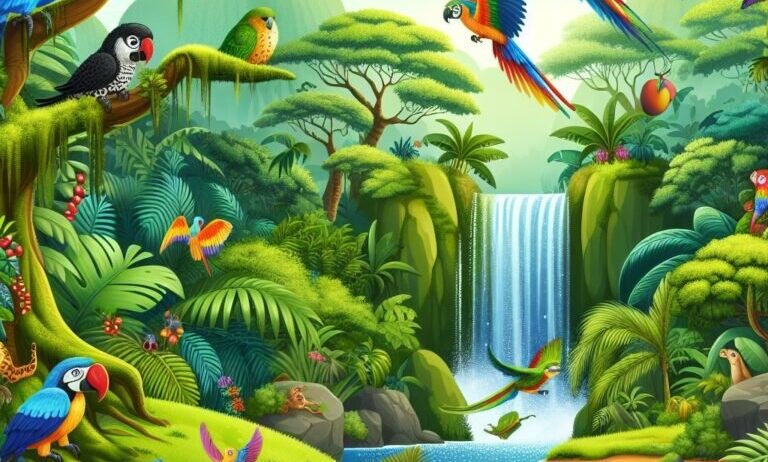
Rainforests are structured in distinct layers: the emergent layer, the canopy, the understory, and the forest floor. Each layer serves as a unique habitat, teeming with different species. The emergent layer, where tall trees reach beyond the canopy, allows for sunlight to flood in, creating a vibrant setting for birds and insects. The dense canopy, often described as a ‘green ocean,’ shelters countless animals, including monkeys, sloths, and colorful birds, while the understory provides cooler conditions for smaller creatures. Finally, the forest floor, covered in a thick layer of decomposing leaves, supports fungi and insects essential for nutrient recycling. This layered structure is a breathtaking example of ecological interdependence.
3. The Heartbeat of the Planet
Rainforests play an indispensable role in regulating the Earth’s climate by acting as significant carbon sinks. Through photosynthesis, trees absorb carbon dioxide from the atmosphere and release oxygen, which is vital for all aerobic life forms. The Amazon rainforest, for instance, generates roughly 20% of the world’s oxygen. However, deforestation and climate change threaten this critical function, highlighting the need for urgent preservation efforts. Observing the delicate balance of life in these ecosystems fosters a deeper appreciation for how interconnected our planet truly is.
4. The Inhabitants: Indigenous Communities
Many indigenous peoples have called rainforests home for centuries, developing intricate knowledge about their environment. Communities like the Yanomami and Ashaninka possess skills in sustainable living, knowing how to utilize forest resources without overexploitation. Their traditional practices emphasize harmony with nature, showcasing a way of life that has successfully thrived in these ecosystems for generations. Learning about indigenous cultures not only enriches our understanding of rainforests but also stresses the importance of preserving these traditional ways in the face of modern threats.
5. The Majesty of the Amazon
Spanning across several countries in South America, the Amazon rainforest is the largest tropical rainforest in the world. It contains the Amazon River, the second-longest river globally, which meanders through the forest, nourishing it and providing habitat for myriad aquatic species. The Amazon is often referred to as a ‘biome of extremes’—extreme biodiversity alongside an intricate web of ecosystems. Its sheer size and complexity spark fascination and underscore the necessity of conservation efforts.
6. Home to the World’s Largest Flower
The corpse flower, or Rafflesia arnoldii, blooms in the rainforests of Southeast Asia and is known for producing the largest individual flower in the world, which can reach over three feet in diameter. Its peculiar name comes from the foul odor it emits, akin to that of decaying flesh, which attracts pollinators like flies. This astonishing plant underscores the wonders of adaptation and the diversity of life forms that thrive in the rainforest.
7. Medicinal Treasures
Rainforests are often hailed as a treasure trove of medicinal resources. About 25% of modern medicines are derived from rainforest plants, including those used to treat cancer, heart disease, and other ailments. The rosy periwinkle, found in Madagascar, is crucial in the treatment of certain types of leukemia. However, vast swathes of rainforest are being destroyed, which jeopardizes potential discoveries that could benefit humanity in the future. This reality invites introspection about conservation priorities and our responsibilities toward safeguarding nature’s pharmacy.
8. Amazing Animals Adaptations
The wildlife within rainforests boasts an array of extraordinary adaptations. For instance, the poison dart frog, with its vibrant colors, serves as a warning to predators due to its toxicity—a fascinating example of natural selection at work. Likewise, tree-dwelling creatures like sloths have evolved uniquely slow metabolisms, allowing them to thrive on a diet primarily consisting of leaves. These adaptations emphasize the ingenuity of evolution and highlight the delicate balance of survival in such rich ecosystems.
9. The Role of Epiphytes
Epiphytes, or air plants, capture our attention, growing on other plants for support without drawing nutrients from them. This unique lifestyle allows these species—like orchids and bromeliads—to thrive in the high canopy, where sunlight is abundant. They play a crucial role in the rainforest ecosystem by providing habitats for various organisms and aiding in moisture retention. Observing epiphytes showcases nature’s versatility and inventive survival strategies.
10. A Call to Action
Rainforests are majestic, but they face unprecedented threats from deforestation, climate change, and illegal logging. It’s crucial for the younger generation—students and kids alike—to recognize their importance and understand the urgent need for conservation. Engaging in conversations about sustainability, supporting eco-friendly initiatives, and advocating for rainforest protection can empower youth to contribute to the fight for our planet’s future. By fostering this understanding, we pave the way for a more environmentally conscious society that cherishes these vital ecosystems.
In conclusion, rainforests are not merely spectacular landscapes; they harbor a wealth of incredible life and serve essential functions that sustain our planet’s health. As awe-inspiring as they are intricate, understanding these ten facts can ignite a lifelong passion for environmental stewardship in future generations. Rainforests remind us of the beauty and complexity of nature, inviting kids and students to explore, learn, and take action to preserve this unique world.