
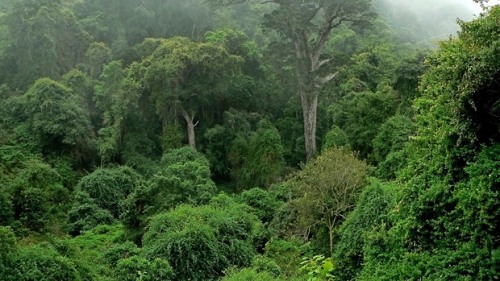

The Congo Rainforest, one of the globe’s most magnificent natural treasures, thrives as a vital sanctuary teeming with life. Covering an expansive area across six countries, this pristine ecosystem is often overshadowed by its Amazonian counterpart. However, what lies hidden within its depths is an extraordinary realm that deserves our attention. Here, we delve into ten surprising facts about the Congo Rainforest ecosystem that promise to shift your perspective and ignite your curiosity.
1. A Biodiversity Hotspot
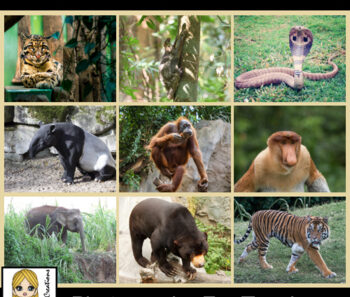
Home to an astonishing array of flora and fauna, the Congo Rainforest is recognized as one of the richest areas of biodiversity on Earth. It harbors over 10,000 species of tropical plants, many of which are endemic to the area. Among its myriad inhabitants are around 400 species of mammals, including the elusive forest elephant and the western lowland gorilla. Such diversity not only underscores the ecological significance of this rainforest but also highlights our urgent responsibility to protect it.
2. Carbon Sequestration Champion
In an era defined by climate change, the Congo Rainforest stands as an indispensable ally in the fight against rising carbon levels. This verdant expanse absorbs approximately 1.5 billion tonnes of carbon dioxide annually, a figure that rivals that of the Amazon Forest. Through the process of photosynthesis, the dense foliage acts as a carbon sink, mitigating the adverse effects of global warming. Preserving this forest is, therefore, critical for maintaining planetary health.
3. Ancient Ecosystem
The Congo Rainforest is not merely a modern phenomenon; it boasts an ancient lineage, with roots tracing back over 70 million years. This extensive history contributes to its complex ecosystem, which comprises layers of life, each interdependent on the other. From towering hardwood trees that reach for the sun to the diverse understory teeming with small shrubs and herbs, every layer plays a crucial role in sustaining the intricate web of life that thrives here.
4. Indigenous Stewards
An often-overlooked aspect of the Congo Rainforest is the role played by its indigenous communities. These groups have coexisted harmoniously with the forest for millennia, utilizing its resources sustainably and passing down invaluable knowledge through generations. Their deep-rooted connections to the land offer a unique perspective on conservation, emphasizing the necessity of incorporating traditional practices into modern environmental strategies.
5. Waterway Wonder
Rivers crisscross the Congo Rainforest, shaping both the landscape and the lives within it. The Congo River, the second-longest river in Africa, is a lifeline for countless species and communities. Its waters are home to a variety of fish species and provide irrigation for the surrounding flora. Furthermore, these waterways serve as vital transportation routes for local populations, underscoring the interconnectedness of the ecosystem.
6. Home to the World’s Second-Largest Rainforest
Following the Amazon, the Congo Rainforest is the world’s second-largest tropical rainforest, sprawling over an impressive 3.6 million square kilometers. This vast expanse ensures that it plays a crucial role in regulating global weather patterns. The forest contributes to precipitation cycles, influencing not only the local climate but also affecting regions far beyond its borders. It highlights how interconnected our planet’s ecosystems truly are.
7. Deforestation and Threats
Despite its significance, the Congo Rainforest faces an array of threats largely driven by human activities. Loggers, miners, and agricultural expansion contribute to a staggering rate of deforestation. Each year, thousands of hectares are lost, endangering countless species and disrupting ecological balance. Such irrevocable damage underscores the urgent need for sustainable management practices and global cooperation to safeguard the future of this vital ecosystem.
8. A Treasure Trove of Medicinal Plants
The forest not only harbors diverse species but also serves as a repository of medicinal plants, many of which are yet to be studied comprehensively. Indigenous populations have long relied on these natural remedies, utilizing them for various ailments. In a world increasingly turning towards holistic health approaches, the potential of these plants offers a promising frontier for medical science. Conserving the rainforest could very well unlock groundbreaking treatments for an array of diseases.
9. Unique Symbiotic Relationships
Within the canopy and beneath the forest floor, myriad species engage in fascinating symbiotic relationships. From pollinators such as butterflies and bees to the myriad fungi that assist in nutrient cycling, these interactions emphasize the delicate balance maintained within the ecosystem. For instance, the relationship between certain tree species and their associated mycorrhizal fungi illustrates how interconnected life is—each organism plays a pivotal role in supporting others.
10. An Ever-Changing Landscape
The Congo Rainforest is not static; it is a dynamic environment that continuously evolves. Natural events such as floods, droughts, and forest fires contribute to its resilience and adaptability. The forest’s response to these changes creates opportunities for new species to thrive and adapt. This adaptability is a crucial lesson for conservation efforts, reminding us that nature possesses an innate ability to recover, provided it is given the opportunity to do so.
In conclusion, the Congo Rainforest is a marvel of nature that embodies the complexity and interconnectedness of life on Earth. From its staggering biodiversity to the invaluable resources it provides, each aspect of this ecosystem highlights the urgent need for conservation efforts. Embracing the role we play in protecting this magnificent biome is not only a responsibility but a vital necessity for sustaining the planet’s health for generations to come.