


In our rapidly evolving world, the survival of our environment is imperiled by the persistent threat of pollution, deforestation, and climate change. However, amid these harrowing realities lies the undeniable potential each individual possesses to effectuate formidable change. The collective power of ordinary actions can transform the trajectory of our planet’s health. The following exposition elucidates 20 pragmatic strategies that one can adopt to prodigy environmental stewardship, embarking on this transformative journey starting today.
1. Embrace a Plant-Based Diet
Shifting towards a plant-centric diet is perhaps one of the most impactful actions individuals can take. By reducing meat consumption, we diminish the demand for industrial agriculture, which is a significant contributor to greenhouse gas emissions and deforestation. Simple choices, such as opting for legumes, grains, and vegetables, can substantially lessen your carbon footprint.
2. Minimize Single-Use Plastics
Single-use plastics burgeon in number daily, suffocating our oceans and landscapes. Transitioning to reusable bags, bottles, and containers can significantly mitigate plastic pollution. Make a concerted effort to refuse plastic straws and utensils on a regular basis; every little choice compounds into a massive impact.
3. Conserve Water
Though often overlooked, water conservation is crucial in safeguarding our precious freshwater resources. Simple measures such as fixing leaks, taking shorter showers, and employing water-efficient fixtures can create ripples of positive change, ultimately preserving ecosystems dependent on sustainable water levels.
4. Utilize Public Transportation
Riding buses, trains, or carpooling can sharply reduce your carbon emissions compared to driving alone. Public transportation not only lessens traffic congestion but also stitches communities closer together, fostering a communal spirit of environmental consciousness.
5. Advocate for Renewable Energy
Switching to renewable energy sources, such as solar or wind power, is a significant step towards reducing reliance on fossil fuels. Explore options for renewable energy providers, or consider installing solar panels. Each watt generated from clean energy sources helps to diminish pollution and combat climate change.
6. Reduce, Reuse, and Recycle
This time-honored mantra underscores the importance of minimizing waste. By reducing consumption, repurposing items, and recycling materials, you divert waste from landfills and conserve the resources needed to produce new products. Educate yourself about your local recycling policies to maximize your efforts.
7. Plant Trees
Trees are indomitable guardians of our environment, absorbing carbon dioxide while releasing oxygen. By participating in local tree-planting initiatives or even planting your own, you contribute to reforestation efforts that bolster biodiversity and aid in soil stabilization.
8. Support Sustainable Brands
Being a conscientious consumer means opting for brands that prioritize eco-friendly practices, fair labor, and sustainable sourcing. Your purchasing power can influence the market. By supporting companies that exemplify environmental stewardship, you help create demand for more sustainable products.
9. Educate Others
Conscientization is a vital part of environmental activism. Engage in discussions about environmental issues with friends, family, and colleagues. Share knowledge, resources, and passion, igniting a collective desire to effect change.
10. Reduce Energy Consumption
Simple steps, such as turning off lights when they’re unnecessary, utilizing energy-efficient appliances, and harnessing natural light, can dramatically decrease energy usage. Consider conducting a home energy audit to identify areas for improvement and act accordingly.
11. Participate in Local Clean-Up Efforts
Join community groups organizing river or beach clean-ups. Not only do you contribute directly to a healthier environment, but you also foster camaraderie among community members. These collective efforts amplify awareness regarding pollution and epitomize proactive advocacy.
12. Choose Non-Toxic Products
Household cleaning supplies and personal care items often contain harmful chemicals that impact both personal health and the environment. Transition to non-toxic, biodegradable alternatives that are less likely to contribute to environmental degradation or water pollution.
13. Support Local Agriculture
Buying from farmers’ markets or joining Community Supported Agriculture (CSA) programs fortifies local economies while reducing the carbon footprint associated with long-distance food transport. Supporting local farmers cultivates a more sustainable food system and enriches communities.
14. Adopt a Minimalist Lifestyle
Simplicity can lead to sustainability. By reducing material possessions and embracing minimalism, you lower the demand for manufacturing goods that deplete natural resources. A minimalist approach promotes mindfulness regarding consumption habits.
15. Use Eco-Friendly Transportation
Whenever feasible, opt for biking or walking as alternatives to motorized transport. Not only does this reduce emissions, but it also improves personal health and reconnects you with your surroundings, fostering a greater appreciation for the environment.
16. Lobby for Environmental Policies
Engagement in the political realm can catalyze macro-level change. Advocate for environmentally friendly policies and legislation. Contact your representatives to express your views on essential issues, ensuring that environmental protection remains a priority in public discourse.
17. Get Involved with Conservation Organizations
Existential threats to biodiversity underscore the importance of conservation efforts. Volunteer with or donate to organizations dedicated to wildlife preservation, habitat restoration, or climate action. Collective efforts are instrumental in safeguarding our planet’s flora and fauna.
18. Limit Air Travel
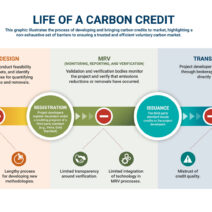
Air travel serves as a significant contributor to greenhouse gas emissions. Whenever possible, opt for alternative modes of transportation, or limit flying to essential trips. When travel is needed, consider carbon offset programs that help mitigate the environmental impact of your journey.
19. Create a Wildlife Habitat
Transforming your backyard or balcony into a haven for local wildlife creates much-needed ecosystems. Plant native flowers and shrubs, provide food and water sources, and eschew harmful pesticides. This not only nourishes local fauna but fosters biodiversity in your area.
20. Foster a Planet-Centric Mindset
Above all, cultivating an intrinsic appreciation for our planet and its myriad ecosystems engenders sustainable living practices. Shift your mindset to prioritize environmental considerations in daily decisions. Every act of mindfulness contributes to a more sustainable future.
While the plight of our environment may seem daunting, it is vital to remember that every significant upheaval begins with small, deliberate steps. By integrating these practices into your daily routine, you can champion a movement that not only prioritizes environmental sustainability but also paves the way for future generations to thrive. The Earth calls for vigilant stewards; will you answer?