

The climate in Egypt, a land steeped in history and illuminated by the fierce rays of the sun, presents an intriguing juxtaposition of the ancients and the modern world. The rich tapestry of Egypt’s climatic conditions bears witness to millennia of evolution, yet is currently at a critical juncture. At the heart of this narrative lies an exploration of the ancient sands that shaped human civilization juxtaposed against the contemporary challenges posed by climate change. What do these changes portend for both the environmental integrity of this storied land and for the future of its inhabitants?
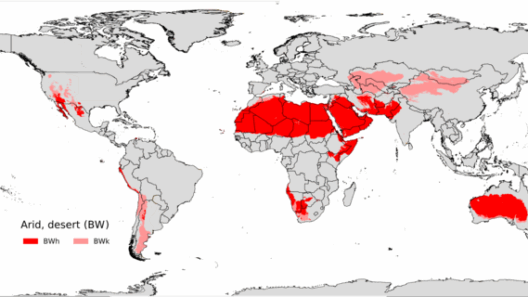
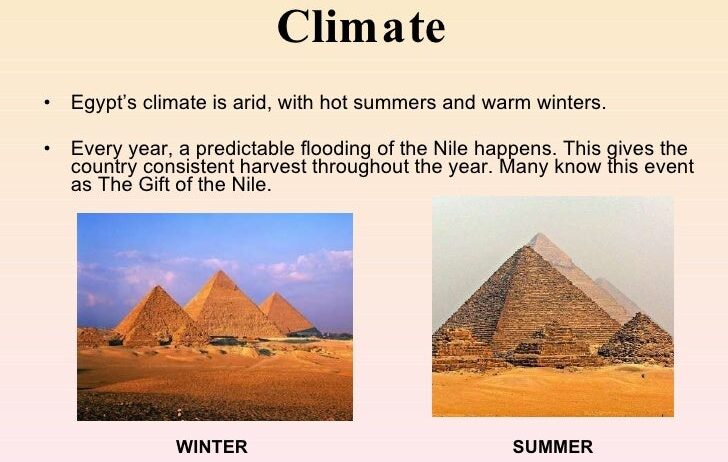
Egypt is primarily characterized by its arid desert climate, with vast expanses of the Sahara influencing weather patterns. Rainfall is an anomaly rather than the norm, with the vast majority of the country receiving less than 5 inches of rain annually. The months from May to September bring scorching temperatures, often exceeding 104 degrees Fahrenheit. Conversely, from November to March, temperatures descend to a more temperate range, offering a respite to residents and visitors alike. However, the extreme conditions, while predictable, veil a more complex narrative—one of climate variability and the unforeseen consequences of global warming.
The Nile River, the lifeblood of Egypt, supports agriculture and sustains local populations, but rising temperatures and altered precipitation patterns threaten its vital flow. Water scarcity is becoming an imminent crisis, exacerbated by the phenomenon of evaporation, which increases as temperatures rise. As the ancient Egyptians revered the Nile, they could not have anticipated the 21st-century challenges that loom, such as water management and geopolitical disputes over transboundary resources. The grand civilization that thrived on this river’s fertility is at risk of turning into a battleground for survival.
A significant aspect of Egypt’s climate narrative is its urban fabric, particularly in bustling metropolises like Cairo. As urbanization expands, the Urban Heat Island effect becomes increasingly pronounced. This phenomenon describes how urban areas experience significantly higher temperatures than their rural counterparts due to human activities and infrastructure. Cairo, with its millions of inhabitants, grapples with air pollution and heat stress, which disproportionately affect the most vulnerable populations. The interrelation of climate dynamics and human health in urbanized areas cannot be overstated; they present a compelling case for reevaluating environmental policies and urban planning efforts.
Moreover, the impact of climate change is not just a future concern; it is already manifesting in the present. Coastal areas along the Mediterranean are facing the dire consequences of rising sea levels. Alexandria, once the beacon of knowledge and culture, is now vulnerable to inundation. As saltwater encroaches on freshwater sources, the agricultural viability of the Nile Delta is also under peril, thereby threatening food security. The specter of displacement looms over communities, creating a haunting consideration as climate refugees emerge as a palpable reality.
Amidst these tribulations, Egypt has begun to embrace sustainability as a central tenet of its development strategy. Initiatives focused on renewable energy, particularly solar and wind, are gaining traction, promising to shift the country towards a more sustainable future. The vast desert landscapes are ideal for solar farms, heralding a potential energy revolution that aligns not only with local needs but also contributes to global efforts to mitigate climate change. The commitment to green technologies presents a tantalizing prospect of modernization while honoring the country’s historical legacy.
This shift in environmental stewardship requires a paradigm change in governance and resource allocation. Egypt’s proactive engagement in international climate agreements signals its recognition of the global context within which local issues must be addressed. Yet, cooperation will necessitate not only a commitment to sustainable practices but also an equitable approach that prioritizes the needs of marginalized communities. Ensuring that the benefits of climate action are universal can transform the climate narrative from one of despair to one suffused with hope and resilience.
A critical component of addressing climate change in Egypt is fostering education and awareness. The historical context of Egypt holds tremendous value for understanding contemporary challenges; the lessons imparted by the ancients about resource management and sustainability are more relevant than ever. Creating platforms for dialogue among scholars, activists, and local communities will invigorate a collective consciousness geared toward sustainability and conservation. By nurturing a sense of environmental responsibility, Egypt could galvanize a movement that encapsulates its rich heritage while addressing the pressing climate issues of today.
What lies ahead for Egypt remains uncertain, yet the intersection of ancient sands and modern heat encapsulates a pivotal moment in its history. Will the tips of the pyramids endure under the relentless sun, or will the fate of the civilization that once thrived alongside the Nile fade into oblivion? As the sands shift, the responsibility falls on both local stakeholders and the global community to forge a resilient future. The choices made today will indelibly shape the climate of tomorrow, and the sands of time will judge how Egypt responded to the challenges posed by an evolving climate landscape.
In this delicate balance of preserving the past and embracing the future, one must ponder: Can Egypt emerge not just as a survivor of climate change, but as a leader in the global fight against environmental degradation? This possibility does not just lie in technological advancements; it hinges on a renewed commitment to the very principles of respect for nature that characterized ancient Egyptian society. The promise of a sustainable Egypt, one that harmonizes with its environment rather than confronts it, is a vision worth striving for, and structured around dialogues that span generations and geographies alike.