

Climate change, an omnipresent threat, manifests itself in myriad forms, each with profound implications for our world. The ramifications of our changing climate extend far beyond the rising temperatures that often dominate headlines. This comprehensive exploration delves into the various causes and consequences of climate change, focusing on two principal phenomena: rising sea levels and the increase in global heatwaves. Understanding these issues is essential, for they not only threaten ecosystems but also fundamentally jeopardize human societies.
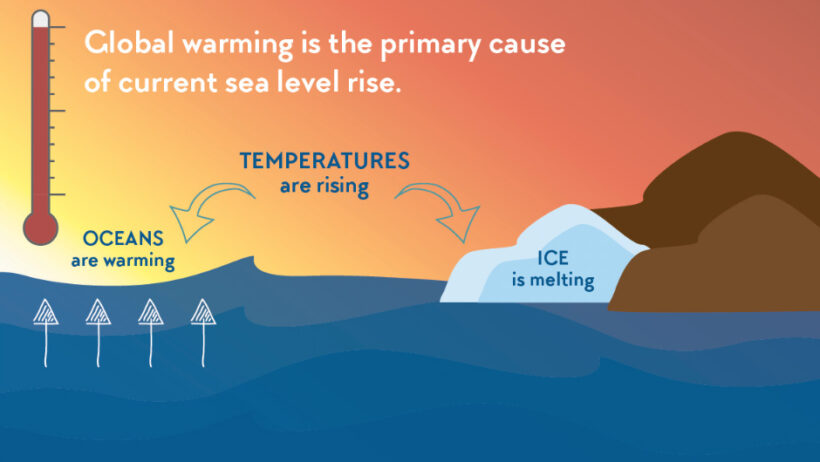
The first consequence that demands attention is sea level rise. As greenhouse gas emissions continue to augment atmospheric temperatures, polar ice caps and glaciers melt at unprecedented rates. This influx of freshwater into the ocean contributes to rising sea levels, which have surged approximately 8 to 9 inches since the late 19th century. In coastal communities, the implications are dire. Whole neighborhoods are inundated, and vital infrastructure is at risk, necessitating costly adaptations or even relocations.
Consider Miami, often dubbed the “Magic City,” where rising seas are already causing chronic flooding. During high tides, streets become submerged, leading to increasingly frequent and severe disruptions in day-to-day life. This phenomenon is not confined to Miami; from New York City to Jakarta, multiple global cities are grappling with similar challenges. The economic ramifications are staggering—the cost of maintaining and upgrading infrastructure alone could run into billions of dollars, not to mention the potential loss of property value and the displacement of entire communities.
However, the impacts of climate change and rising sea levels extend beyond the immediate physical effects. Ecosystems are being irrevocably altered. Saltwater intrusion into freshwater aquifers threatens drinking water supplies, diminishing agricultural output and endangering food security. Mangroves, which serve as critical buffers against storm surges and act as nurseries for marine life, are increasingly under threat. Their loss would not only further degrade coastal defenses but also threaten biodiversity.
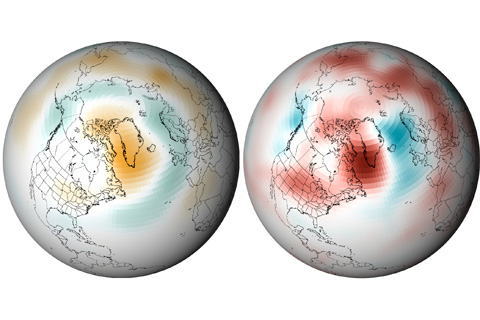
In tandem with sea level rise, we experience an alarming increase in the frequency and intensity of global heatwaves. Higher temperatures, driven by anthropogenic activities, create favorable conditions for extreme heat events. Data shows that the past few decades have witnessed a steady rise in the number and severity of heatwaves. This trend is not merely a climatic anomaly; it’s a harbinger of what the future holds if current trajectories remain unaltered.
The health repercussions of heatwaves are significant. Heat is a silent killer, responsible for thousands of fatalities each year. Vulnerable populations, including the elderly and those with pre-existing health conditions, face intensified risks during extreme temperature events. Moreover, as temperatures soar, the incidence of heat-related illnesses such as heat exhaustion and heat stroke increase, straining public health systems. In a broader context, agricultural sectors also suffer. Crops can wither under excessive heat, leading to crop failures and, consequently, food shortages that exacerbate global hunger.
Beyond the tangible effects, the psychological impacts of climate change are equally troubling. Heatwaves can contribute to increased rates of anxiety, depression, and social unrest. Stressors, such as economic instability resulting from crop failures or flooding, can create a perfect storm for societal discord. Are we prepared to address these compounded crises? The answer necessitates a thorough examination of how we perceive and respond to climate challenges.
Many argue that the solutions to these pressing issues hinge on innovative adaptation strategies. Transitioning towards sustainable practices is paramount, whether through investing in renewable energy sources, enhancing public transportation, or creating green urban spaces that absorb heat and mitigate flooding. There is also an urgent need for policy reform and international cooperation. Climate change knows no borders; thus, a concerted global response is not only desirable but essential for meaningful progress.
Moreover, while addressing the impacts of climate change, we must also consider mitigation strategies aimed at reducing the very causes of climate change. Emphasis on reducing carbon footprints through a shift towards renewable energy and sustainable consumption patterns cannot be overstated. Education plays a crucial role in this endeavor; when individuals and communities become informed participants in climate action, collective efforts gain traction. The transition from a polarized perception of climate issues to one focused on inclusivity and collaboration might ultimately decide the course of our shared future.
In conclusion, the multifaceted implications of climate change, including the urgent threats posed by rising seas and global heatwaves, demand a radical shift in perspective. As we contemplate the expansive ramifications of climate change, a relentless curiosity should drive our inquiry into sustainable solutions, adaptation strategies, and broader systemic changes. Only through informed discourse, vigorous advocacy, and community engagement can we hope to navigate this perilous terrain. The time to act is now, for the stakes could not be higher. Our planet’s health—and by extension, our own—is reliant on immediate and concerted efforts to address these existential threats.