
Climate Change in Simple Terms: What You Need to Know in 2 Minutes
Imagine Earth as a cozy greenhouse, a fragile haven cradling an intricate web of life. In this sanctuary, sunlight streams through the transparent walls, nurturing plants and sustaining animals. However, there comes a point when too much heat is trapped, and what should be a nurturing environment turns oppressive. This metaphor serves as an apt introduction to understanding climate change—a pressing issue that, if left unchecked, will drastically alter our planet.
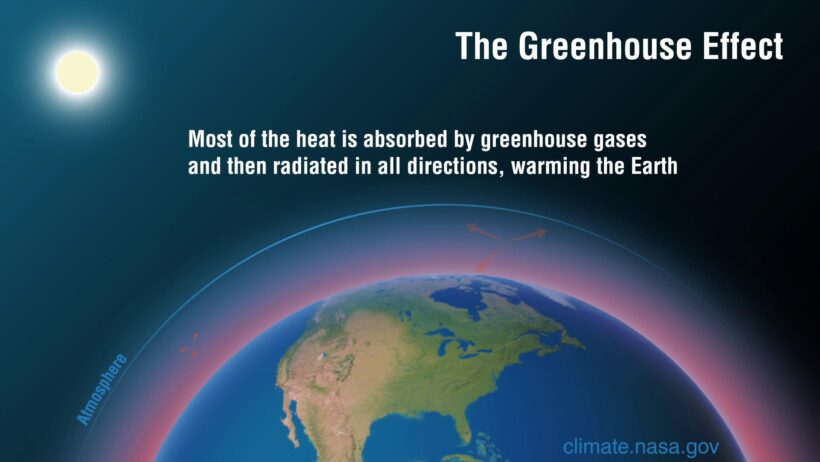
The phenomenon of climate change primarily results from the greenhouse effect. This is a natural process where certain gases in our atmosphere, known as greenhouse gases, retain heat from the sun. When sunlight reaches Earth, some of it is absorbed, and the rest is reflected back into space. Greenhouse gases—such as carbon dioxide, methane, and nitrous oxide—cling to this escaping heat, keeping our planet warm enough to support life. However, industrial activities, deforestation, and other human actions have intensified this effect, causing an alarming rise in global temperatures.
Consider the unchecked rise of these gases akin to adding more blankets on a warm bed. It feels comfortable initially, but soon it becomes stifling. The result is not merely a heated atmosphere; the repercussions ripple through ecosystems, weather patterns, and even human health.
One may ask, “What are the specific contributors to this accelerating climate crisis?” Firstly, the burning of fossil fuels, such as coal, oil, and natural gas, emits enormous quantities of carbon dioxide. Additionally, agricultural practices release methane—a gas far more potent than carbon dioxide in its warming potential. Livestock farming is a notable culprit, with animals like cows releasing methane during digestion. Furthermore, industrial processes and waste management also contribute significantly to greenhouse gas emissions.
The gravitas of these contributions is stark. The Intergovernmental Panel on Climate Change (IPCC) reports astonishing increases in the concentration of these gases since the Industrial Revolution. Climate change is no longer a distant specter looming in the future; it’s an imminent reality that manifests through shifting weather conditions, melting ice caps, and rising sea levels. Imagine that greenhouse once again: the more the temperature rises, the less breathable the air becomes.
The direct implications of climate change are alarming. Extreme weather events, such as hurricanes, floods, droughts, and heatwaves, have become more frequent and severe. These natural disasters not only devastate communities but also strain resources, leading to food insecurity and water scarcity. The world is becoming a volatile place, rendering life precarious for countless species, including humans.
What’s more, climate change has profound effects on biodiversity. As habitats shift or disappear, species struggle to adapt, resulting in a crisis of extinction. Imagine a diverse orchestra, where each instrument plays a crucial role in harmony. When certain instruments fall silent due to climate-induced stressors, the symphony of life becomes discordant, jeopardizing the delicate balance of ecosystems.
Moreover, the socio-economic ramifications of climate change cannot be understated. Vulnerable populations, particularly in developing nations, find themselves at the mercy of climates they did little to alter. Displacement due to rising sea levels or agricultural collapse can create waves of refugees, igniting geopolitical tensions and further straining international relations.
As the narrative unfolds, the inevitability of climate change may evoke a sense of helplessness. However, it’s crucial to elucidate that there is still time for intervention. Individual actions, while seemingly small, can collectively lead to monumental change. Reducing energy consumption, opting for public transport, and supporting sustainable practices and policies are integral to mitigating this crisis.
Moreover, stakeholders ranging from corporations to governments possess the capability, and indeed the responsibility, to innovate sustainable solutions. Transitioning from fossil fuels to renewable energy sources—such as solar, wind, and hydroelectric power—is not just feasible; it’s imperative. Imagine the global community as a ship sailing through stormy seas, led by an unwavering captain. With the right course and commitment, we can steer towards calmer waters.
In embracing collective responsibility, it’s vital to elevate awareness and advocate for change. Education plays a crucial role in empowering individuals. Comprehensive programs focusing on environmental literacy enable people to grasp the urgency of the situation and inspire them to be proactive in their communities. Through grassroots movements, policy advocacy, and technological innovation, we can forge a path toward a sustainable and resilient future.
In conclusion, the gravity of climate change beckons each one of us to act, to understand our intricate connection to the earth, and to view it as a shared legacy. The metaphor of our planet as a greenhouse serves as both a caution and a call to action. Together, through engagement and dedication, we can redefine our relationship with this sanctuary, ensuring that it thrives not just for ourselves but for generations to come. The time to confront climate change is now—the future hinges on our resolve.