
Understanding climate is fundamental in our rapidly changing world—a world increasingly preoccupied with the nuances of weather patterns and environmental shifts. At its core, climate refers to the long-term patterns of temperature, humidity, and atmospheric conditions in a given area. However, it encompasses much more than these basic parameters. Climate is a complex interplay of various elements, influenced by geographical, ecological, and anthropogenic factors. This article aims to delineate the concept of climate, providing clarity and fostering curiosity within readers of all ages.
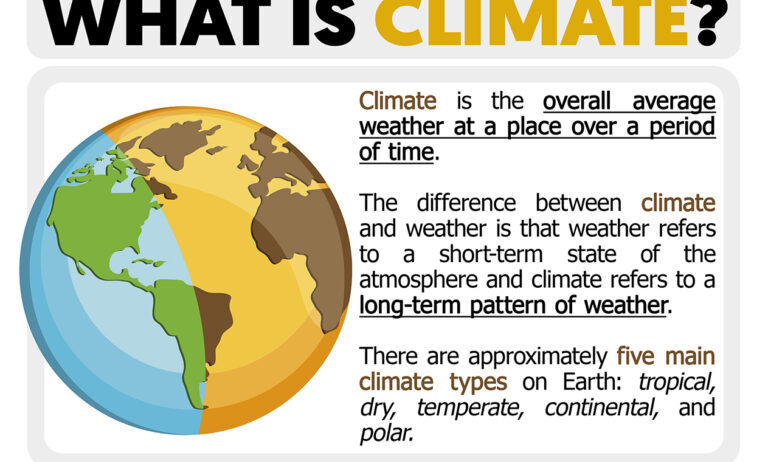
To commence, let us establish a foundational definition of climate. Climate is typically described as the average weather conditions in a particular geographic region over a prolonged period, often thirty years or more. This encompasses a multitude of phenomena, including seasonal variations, temperature fluctuations, rainfall distribution, and even wind patterns. While weather refers to the short-term state of the atmosphere, climate describes the prevailing conditions that can endure and evolve over decades or centuries.
One might ponder: why does this distinction matter? The differentiation between weather and climate is crucial for several reasons. Understanding climate helps us grasp the complexities of long-term environmental changes. For instance, the climate of a specific region can significantly affect agriculture, water resources, and biodiversity. It informs us about what crops can thrive in certain areas and how ecosystems interact and respond over time, shedding light on the delicate balance of our planet’s natural systems.
Delving deeper, it is important to examine the multifaceted components that constitute climate. Several pivotal factors influence climatic conditions, including latitude, elevation, nearby water bodies, vegetation, and prevailing winds. Each of these elements plays a substantial role in shaping the climate of a particular locale. Latitude, for instance, dictates the amount of solar energy received by a region, leading to temperature variations that dramatically influence the flora and fauna of that zone. Similarly, elevation alters air pressure, leading to temperature changes with increasing altitude. These physical factors create a mosaic of climates that vary worldwide, from arid deserts to humid tropical rainforests.
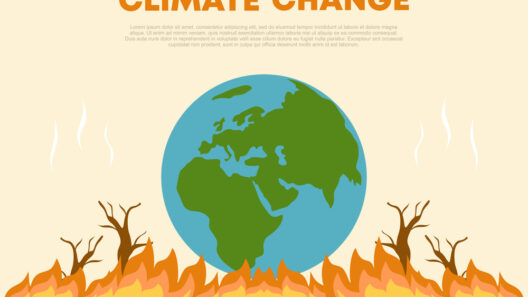
As climate evolves, it is essential to recognize that human activities are becoming increasingly significant in altering these long-standing patterns. The advent of industrialization, urbanization, and deforestation has interjected human beings into the natural processes of climate regulation. The alarming rise in greenhouse gas emissions, primarily carbon dioxide, has triggered global warming—a phenomenon that has been incessantly debated and researched. Average temperatures are rising, oceans are warming, and weather extremes are becoming more frequent, revealing a profound shift in the earth’s climate system.
What does this shift imply for the future? It is vital to understand that climate change is no longer a distant threat; it is an immediate challenge that transcends geographical barriers. Communities worldwide are grappling with the ramifications of climate instability. Consider the increasing frequency of intense storms, prolonged droughts, and rising sea levels, all of which pose significant risks to populations and ecosystems. The implications for agriculture, public health, and water security are dire and warrant our urgent attention.
Moreover, climate understanding empowers us to advocate for meaningful change. Knowledge is the cornerstone of action. By illuminating the multifaceted nature of climate, it becomes evident that addressing climate change requires a holistic approach. It necessitates interdisciplinary efforts that integrate science, technology, policy-making, and social equity. Education plays a pivotal role in shifting public perspective—a vital first step toward catalyzing collective action.
To further explore the definition of climate, we must also acknowledge the various climate classifications that have emerged over the years. Climatologists categorize climates into different types, such as tropical, arid, temperate, continental, and polar, each bearing distinct characteristics. This classification not only helps in understanding regional climatology but also aids in formulating predictive models for future climate scenarios. Understanding these classifications can evoke curiosity in individuals regarding the planet’s diversity, illustrating that climate is not a monolithic entity but a variable and dynamic phenomenon.
As we venture into discussions of climate, it is also worth addressing the role of technological advancements. Innovations in climate science, such as climate modeling and remote sensing, enable us to monitor changes and predict future trajectories with remarkable precision. Such advancements foster a sense of hope; they empower us to strategize, mitigate risks, and adapt to the evolving landscape that climate change presents. The imperative for interdisciplinary collaboration has never been more pressing, as the integration of diverse expertise can bolster our capacity to combat the adverse effects of climate change.
In conclusion, defining climate is more than an academic exercise; it is a gateway to understanding the intricacies of our planet’s systems, the influence of human activity, and the urgent need for collective action. Climate encapsulates the ongoing dialogue between nature and humanity, challenging us to reassess our role in the environment. As we reflect on the implications of our climate and its ever-shifting nature, we awaken in ourselves a sense of responsibility and curiosity. Only through informed discourse and dedicated efforts can we pave the way toward a sustainable future, fostering a deeper appreciation for the climate that shapes our lives and our world.