

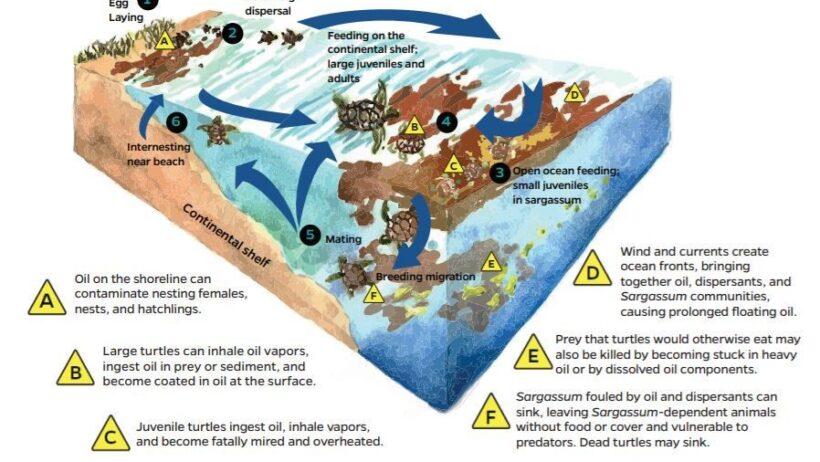

Oil spills and the warming of the world’s seas present a combined ecological crisis that is increasingly difficult to ignore. The juxtaposition of these two environmental phenomena reveals not only a dire problem affecting marine ecosystems but also a broader conversation about climate change that necessitates immediate action. The ramifications of oil spills extend far beyond the immediate devastation they cause; they entwine with the overarching threat of climate change, creating a precarious situation for marine life, human health, and the fate of our planet.
Understanding the impact of oil spills requires a deep dive into the nature of both the spill itself and its interaction with the warming oceans. Oil spills are catastrophic events arising from the transportation, extraction, and refining of fossil fuels. When oil is released into the marine environment, it can cause immediate and catastrophic damage to aquatic ecosystems. Fish, birds, and marine mammals suffer acute toxicity, and many species experience long-term detriments to their reproductive and developmental cycles. The oil coats the feathers of seabirds, compromising their insulation and buoyancy, ultimately leading to death by starvation or hypothermia. Marine invertebrates such as corals and mollusks face slower, chronic impacts, with oil disrupting their ability to feed and reproduce effectively.
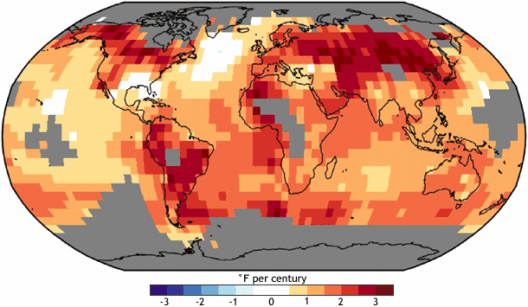
On the other side of the equation lies the warming of the seas—an effect of climate change that is altering marine habitats at an unprecedented rate. As global temperatures rise, ocean waters absorb excess heat, leading to coral bleaching, loss of biodiversity, and shifts in the distribution of marine species. Warmer seas exacerbate the effects of oil spills; the increased temperature enhances the evaporation rate of volatile organic compounds found in crude oil, compounding the toxicological effects on marine life. The concept of thermal stratification emerges, where warmer water sits atop cooler water, creating an environment where nutrients become trapped below. This can lead to dead zones—areas of the ocean so depleted of oxygen that marine life cannot survive—particularly dangerous in the aftermath of an oil spill when nutrients are already compromised.
This perilous intersection of oil spills and warming oceans underscores a growing imperative: advancing our commitment to cleaner energy sources. Moreover, the ongoing addiction to fossil fuels perpetuates the dual crises of climate change and environmental degradation. Transitioning to renewable energy is not merely a choice; it is a necessity. The oil industry’s historical narrative is fraught with negligence. Frequent headline-grabbing spills showcase the inherent risks involved. Each catastrophe is a stark reminder that fossil fuel dependency is a ticking time bomb for marine ecosystems. It’s imperative to pivot towards sustainable energy solutions to mitigate these combined threats.
The effects of oil spills on the climate extend beyond the immediate environmental catastrophe. Burning oil releases greenhouse gases into the atmosphere, contributing to climate change in a cyclical manner. Additionally, wetlands and mangroves—natural barriers that protect shorelines from spills—are among the first ecosystems to suffer from the impacts of climate change. As sea levels rise, these crucial buffer zones are eroded, leaving coastlines vulnerable to both oil spills and the destructive force of climate change. Deforestation and degradation of these habitats, compounded by warming waters, increase the likelihood and intensity of oil spills, creating a self-perpetuating cycle of environmental harm.
The ramifications of this double threat are vividly illustrated through real-world examples. The Deepwater Horizon oil spill in 2010 not only killed marine life in the Gulf of Mexico, but it also disrupted local economies and livelihoods. In the wake of such disasters, communities often grapple with long-term health implications, an additional burden layered upon the immediate ecological devastation. Coastal communities traditionally reliant on fishing or tourism find themselves facing the dual pressures of depleted fish stocks due to oil contamination and the declining health of coral reefs exacerbated by warming seas. This presents a critical conundrum that requires holistic solutions—strategies that address both climate resilience and recovery from environmental disasters.
Transformative change is within our grasp. Advocates argue for the implementation of stronger regulations on offshore drilling and the fossil fuel industry as a means to protect vulnerable marine environments. Emphasizing the interconnectedness of global ecosystems requires a rigorous reevaluation of how industries operate in relation to our natural resources. Countries must adopt and enforce more stringent policies aimed at preventing spills while simultaneously investing in renewable energy. The potential to harness solar, wind, and hydroelectric power offers a pathway to a future that is not only sustainable but also harmonious with the health of our planet.
The intersection of oil spills and warming seas invites reflection on our global interconnectivity. Each spill is a reminder of the fragility of our oceans and the urgent need for collective action. A tidal shift in public awareness and policy is imperative. Educating communities about the impacts of oil dependency, spearheading innovative conservation efforts, and reinvigorating ocean health initiatives can galvanize a movement that transcends borders. Everyone has a role in this ongoing dialogue, from policy-makers to business leaders to individual consumers.
Ultimately, we must acknowledge that the stakes are higher than convenience or profit. The oil spills and warming seas are harbingers of existential risk, demanding a comprehensive and unified response. By addressing these intertwined crises with the urgency they warrant, society can begin to cultivate a healthier relationship with our oceans and ensure their resilience for future generations. It is everyone’s responsibility—fishers, policymakers, environmentalists, and average citizens—to advocate for a sustainable future, one free from the devastating double trouble of climate change and oil spills.