


Chile, a slender, elongated country wrapping around the western edge of South America, is a veritable cornucopia of climatic variations. Stretching approximately 4,300 kilometers from its northern deserts to the icy expanses of Antarctica, it showcases distinct weather patterns that capture the attention and intrigue of both scientists and travelers alike. This geographical diversity renders Chile a unique laboratory for studying climate phenomena, offering an astonishing array of ecosystems, each influenced by altitude, geography, and ocean currents.
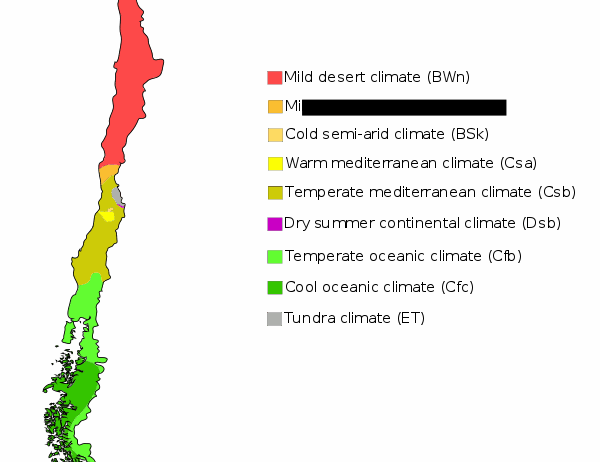
To grasp the complexity of Chile’s climatic tapestry, one must first acknowledge the primary climatic zones delineated within its borders. Northern Chile is dominantly arid, characterized by the Atacama Desert—the driest non-polar desert on Earth. This region is not simply a lackluster, barren expanse; it is a world rich in geological wonders, mineral resources, and even microclimates. The prevailing Humboldt Current, which flows from the south, brings cold water that influences weather patterns, contributing to both enchanting landscapes and a unique biological ecosystem.
As one traverses southward, the climate begins to shift dramatically. Central Chile is graced with a Mediterranean climate, characterized by wet winters and dry summers. It is here that the fertile valleys produce some of the most esteemed wines globally, benefitting from the temperate climate and diverse terranes. The watershed of the Maipo Valley breeds a flourishing agricultural sector, which is a vital cog in the country’s economy and offers insights into sustainable farming practices. The contrast to the arid north accentuates the geographic wonders of Chile, highlighting how microclimates can shape economies and cultures.
Further south lies the temperate rainforest zone. The regions of Los Lagos and Aysén experience high precipitation, resulting in lush, verdant landscapes that are home to myriad flora and fauna. These temperate rainforests play a crucial role in the ecological equilibrium of the planet. They sequester carbon, provide habitat for countless species, and maintain hydrological cycles. The glowing greenery stands as a stark contrast to the sun-baked land of the north, illustrating the profound impact climate has on biodiversity. Moreover, these areas often suffer from misconceptions; the thickness of forest and thick fog is often perceived as uninviting when in reality, it encases rich, thriving ecosystems.
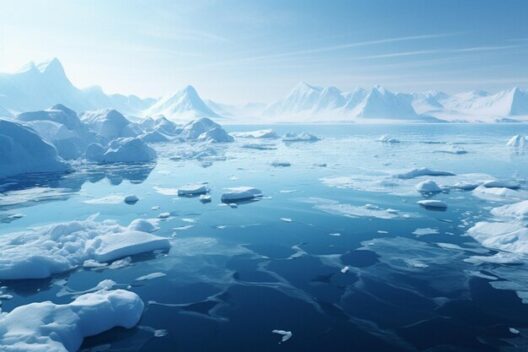
As we continue our gradation into the southern regions of Chile, the climate witnesses an arresting transformation. The climate of Patagonia is largely characterized by its subpolar oceanic conditions, with cool temperatures, robust winds, and sporadic precipitation. The stunning beauty of this region does more than captivate the eye; it serves as a testament to the delicate balance between natural elements. Glaciers, fjords, and extensive landscapes not only offer spectacular vistas but accustom observers to the precarious interplay between climate and landform in shaping human pursuits, economies, and ecological systems.
One cannot discuss Chile’s climate without addressing the hinterlands of the Andes. This colossal mountain chain not only acts as a climatic divide but also a cultural one. The altitude creates unique weather patterns that can change within miles, producing conditions that range from arid desert to alpine tundra. Within this mountainous expanse, the environmental conditions vary dramatically, based on altitude, latitude, and local geography. Remarkably, these variations foster diverse human experiences, traditions, and even dialects, affirming the deep-seated relationship between climate and cultural identity.
Chile’s unique climatic signature offers more than just geological curiosities; it invites contemplation on the pressing implications of climate change. Due to its elongated nature and the variety of climatic effects, Chile stands on the frontlines of environmental challenges. The melting glaciers in Patagonia, the increasingly erratic weather patterns impacting agriculture in the central region, and the prolonged droughts in the north all serve as reminders of the increasingly fragile nature of its ecosystems. Consequently, Chile finds itself in a pivotal position to lead global discussions on climate mitigation and adaptation.
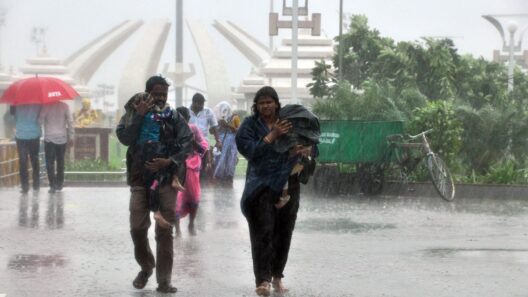
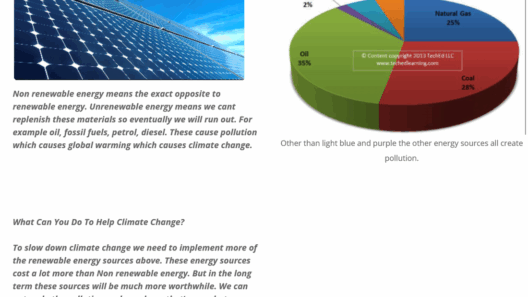
It is particularly intriguing to observe the dichotomy within Chile: while some regions grapple with severe droughts, others face flooding and landslides, emphasizing the complex, intertwined relationship between climate and human activity. The variations in climate dramatically affect agriculture, biodiversity, and energy resources. As Chile seeks to diversify its energy portfolio through renewable sources, understanding these climatic intricacies becomes paramount for developing sustainable practices.
Chile’s climatic diversity is not merely a curiosity; it represents a profound interplay between geography, ecology, and human civilization. The country embodies the truth behind the adage: “If you don’t like the weather, wait a minute.” It reveals a living mosaic that challenges our understanding of climate patterns, encourages discussions on sustainability, and inspires us to rethink our relationship with nature. Chile emerges as a vivid reminder that our planet’s environmental future hinges on the choices we make today, underscoring the importance of understanding the profound impacts of our climatic diversity.
In closing, Chile stands as an emblematic nation that commands fascination. Each climatic zone, each geographic transition offers an opportunity for rich exploration and understanding. It compels us to engage with the natural world, ponder the consequences of climate change, and reflect on how these diverse environments shape our very existence. The plea to observe, understand, and act is woven throughout the narrative of Chile’s climate, urging responsible stewardship for future generations.