
Greece, a jewel straddling the azure embrace of the Aegean Sea and the rugged majesty of the surrounding mountains, presents a climate that is as varied as its topography. This nation, a nexus of ancient history and modern vitality, offers meteorological conditions that fluctuate between temperate coastal breezes and the stark, potent winds of the highlands. Understanding the intricacies of Greece’s climate is not merely an academic exercise; it is essential for appreciating its alluring landscapes and the lifestyle of its inhabitants.
The Mediterranean climate is pervasive throughout Greece, characterized by hot, dry summers and mild, rainy winters. This climatic phenomenon shapes the very essence of the Greek experience, creating an environment that is both inviting and challenging in equal measure. The summer months, particularly from June to September, are marked by sweltering heat, with temperatures often soaring into the high 30s Celsius (over 100 degrees Fahrenheit). During this season, the sun casts a relentless glow, igniting the iconic whitewashed structures that line the coasts and hills of the islands.
In stark contrast, the winter season unveils a different facet of Greece. From December through March, the coastal and island regions receive adequate rainfall, nourishing the dry earth that has been parched by the summer sun. Meanwhile, the inland areas and mountainous regions experience a cooler chill, where snow blankets the peaks and creates a picturesque winter wonderland. This seasonal dichotomy not only defines the environmental landscape but also informs agricultural cycles, cultural practices, and even the social calendar of the Greek populace.
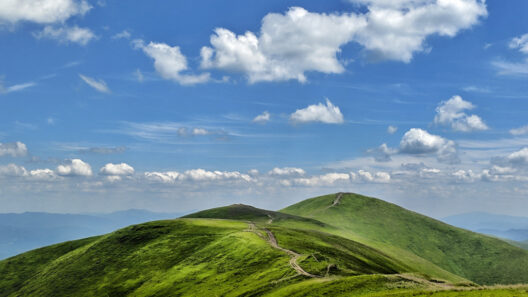
The variances in climate in Greece are deeply influenced by geography. The mainland, adorned with rugged mountains and fertile valleys, encounters climatic conditions that diverge from those of the surrounding islands. The Pindus mountain range, for instance, acts as a barrier that alters wind patterns and precipitation distribution, resulting in a microclimate characterized by cooler temperatures and abundant rainfall in the western regions. Here, lush vegetation flourishes, allowing for agriculture that includes olive groves and vineyards—iconic symbols of Greek heritage.
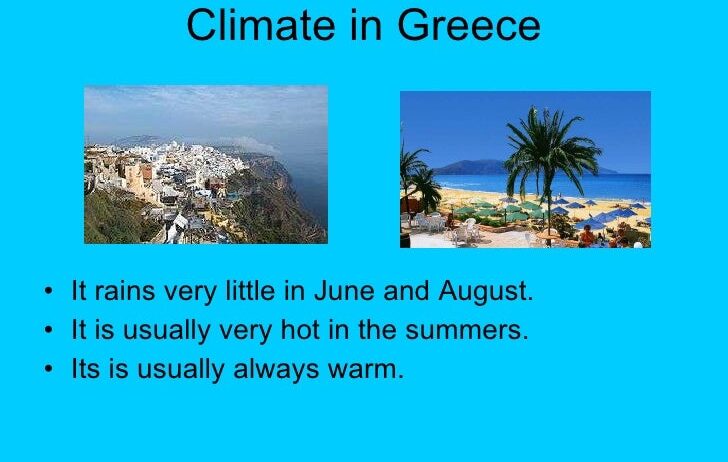
On the other hand, the eastern islands, kissed by the warm Cycladic winds, revel in a semi-arid climate, where rainfall is sparse and temperatures escalate. This region’s allure lies in its sun-baked landscapes and pristine shores, drawing visitors from all corners of the globe. The islands of Santorini and Mykonos epitomize this charm, offering sun-drenched beaches and vibrant nightlife under a benediction of clear skies. The visceral contrast between the sunlit waters and the stark white structures mirrors the dual nature of Greece itself— a land steeped in history yet pulsating with contemporary dynamism.
Significantly, the local flora and fauna have adapted to thrive in these varying climates. The unique ecosystems range from the lush greenery of the mountains to the arid landscapes of the isles. Cistus shrubs, thyme, and olive trees—a trifecta of resilience—flourish in the arid terrains, while wildflowers riotously color the hills in the spring. Overall, this rich biodiversity underpins ecological balance, evidencing nature’s ability to adapt even amidst climatic extremes.
Beyond the strictly meteorological implications, Greece’s climate plays a pivotal role in the cultural tapestry of the nation. Festivals pepper the calendar, intricately tied to seasonal changes; they celebrate harvests in the fall and the rebirth of nature each spring. Villagers congregate in open-air squares, delighting in traditional music and dance, forging connections that transcend mere locality to create a collective Greek identity. The climate here is not just a backdrop; it is a facilitatory force that nourishes the spirit of community and tradition.
However, the specter of climate change looms ominously over this ancient land. Predictions indicate increasing temperatures, prolonged droughts, and erratic weather patterns. As Greece grapples with the exacerbating effects of climate change, it faces challenges that could reshape its ecosystems and cultural landscapes. Rising sea levels threaten coastal habitats and quaint fishing villages. Yet, amid this uncertainty, there also lies potential for innovation and resilience, prompting both local communities and policymakers to embrace sustainable practices that align with environmental stewardship.
As stewards of the land, the people of Greece confront these realities head-on. Initiatives aimed at mitigating environmental impacts and conserving natural resources are gaining traction. Community engagement in green technologies, reforestation efforts, and water conservation practices underscores a collective resolve to not merely adapt, but to thrive in a changing environment. This dynamic confrontation with climate challenges exemplifies the indomitable spirit of the Greek people, echoing their historical legacies of resilience.
The climate in Greece is a tapestry woven from the threads of sun-drenched shores, mountainous breezes, and seasonal contrasts, breathing life into this rich cultural heritage. From the shimmering coastlines that beckon weary travelers to the verdant mountains that cradle ancient stories, the climate influences every facet of life. As present-day challenges threaten this intricate balance, the relationship between Greece’s inhabitants and their environment will be pivotal in determining not only their future, but also the preservation of the unique allure that has captivated the world for millennia.