
The Cretaceous Period, spanning from approximately 145 to 66 million years ago, represents the zenith of the age of dinosaurs. During this time, the Earth was graced by an extraordinarily diverse array of life forms, ranging from the gigantic sauropods to the more enigmatic theropods. However, what often captivates both scientists and the public alike is not merely the grandeur of these magnificent creatures but rather the climate they inhabited—a climate markedly different from the one we know today.
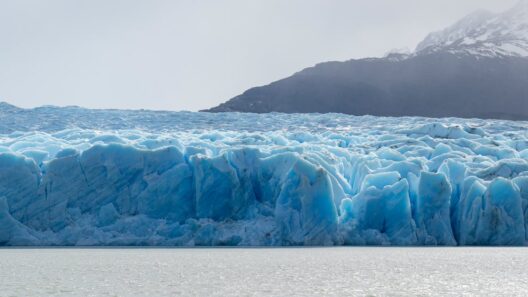
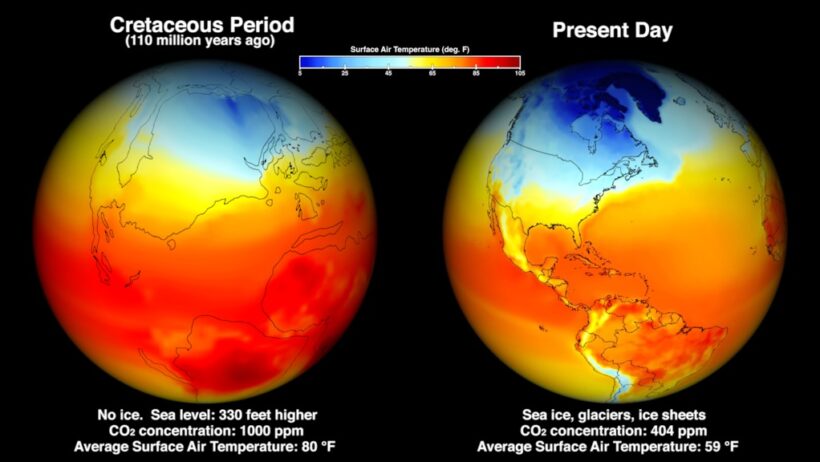
The Cretaceous climate was characterized by generally high temperatures, elevated levels of atmospheric CO2, and a lack of polar ice caps. This scenario points to a world that was fundamentally warmer than the present day. The average global temperatures during this era are estimated to have been about 10 to 15 degrees Celsius higher than today’s averages. Such warmth cultivated lush and verdant landscapes, filled with diverse flora that supported colossal herbivores and their predatory counterparts. Vegetation flourished, with forests of ferns, cycads, and conifers blanketing vast areas of the planet.
One of the most intriguing aspects of the Cretaceous climate is its stability. Unlike the modern climate, which is currently subject to rapid changes due to anthropogenic influences, the Cretaceous period experienced prolonged warm phases. This stability allowed ecosystems to thrive and diversify in a manner that is less commonly observed in recent geological history. However, this focus on gradual climatic dynamics, while important, can overshadow the various fluctuations that did occur and their profound effects on life.
The warm climate resulted in a situation where many regions experienced distinct biotic communities, unfettered by significant temperature stresses. For instance, the polar regions were significantly warmer than their present-day counterparts, showcasing ecosystems that included temperate rainforests and even evidence of conifer-laden tundras. Shockingly, paleontological data suggests that dinosaurs roamed as far north as Alaska and even into what is now Greenland, areas that now experience harsh climates inhospitable to such large terrestrial reptiles.
The Cretaceous atmosphere was not only warmer but also markedly different in its chemical composition. High levels of CO2 can be particularly enlightening to our contemporary understanding of climate change. These elevated levels were likely a function of widespread volcanic activity, particularly from the Deccan Traps in India, which released vast amounts of carbon into the atmosphere. This geological phenomenon triggered a cascade of effects, including enhanced greenhouse conditions that significantly influenced plant growth and, by extension, the herbivorous dinosaurs that depended on them.
This warm environment fostered a unique evolutionary pressure on dinosaurs. Experiments in ecology demonstrate that organisms can adapt and evolve rapidly in stable yet warm climates, such as those characterizing the Cretaceous. The enormous size of many species can be attributed to abundant food supply and favorable living conditions. The Sauropods, gigantic long-necked herbivores, are a classic example of this evolution under warm climatic conditions. Their size not only offered protection from predators but also allowed them to reach vast arrays of foliage, facilitating their survival.
Moreover, the warmer temperatures and high CO2 concentrations fostered not just biodiversity but also unique behaviors and adaptations among dinosaur species. The Cretaceous world was replete with evidence of complex inter-species interactions, from predator-prey dynamics to social behaviors. For example, some herbivorous dinosaurs are believed to have traveled in herds, a social structure that could enhance their survival against the pressures of predation—a behavioral response uniquely suited to their warm environment.
However, a paradox exists within these thriving ecosystems. The very factors that contributed to the flourishing of biodiversity also set the stage for catastrophic climatic upheavals. The end of the Cretaceous Period was marked by drastic changes, culminating in the cataclysmic event commonly associated with the extinction of the dinosaurs. The meteor impact hypothesis suggests that a sudden influx of dust and debris from the extraterrestrial impact caused a drastic drop in temperatures, essentially rendering the warm, life-abundant environments inhospitable. What we see here is a crucial lesson that starkly parallels our current ecological predicament: ecosystems balanced on a knife-edge can be destabilized by sudden changes, whether geological or anthropogenic.
In today’s context of climate change, the Cretaceous Period offers invaluable insights. Understanding how past climates shaped evolution and biodiversity can inform current conservation efforts and initiatives aimed at mitigating climate crises. The resilience and adaptability of species during the Cretaceous can serve as a model for contemporary faunal and floral responses to modern-day stresses. However, it is essential to recognize that the consequences of rapid climate change, as illustrated by the Cretaceous extinction event, exhibit profound lessons regarding the future viability of our ecosystems.
Ultimately, the warm climate of the Cretaceous Period isn’t just a mere historical curiosity; it serves as a lens through which we can examine the resilience of life, the intricate interplay of ecological systems, and the potential consequences of dramatic climate shifts. Embarking on a journey to comprehend this ancient climate not only enriches our understanding of Earth’s history but also galvanizes the urgent call to action in addressing the contemporary climate crisis. The specter of a warmer world brings with it both cautionary tales and profound revelations about the delicate balance of life on our planet.