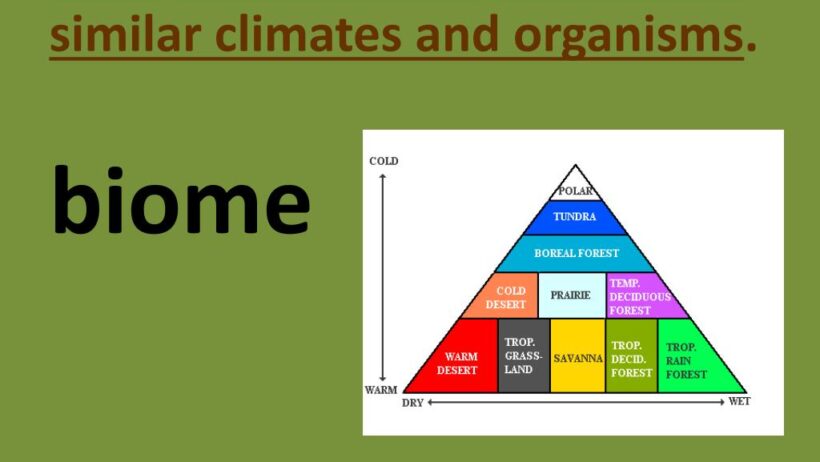

In the intricate tapestry of our planet, certain regions share a harmonious symphony of climate and organisms, forming what we term as biomes. This unifying concept serves not only to categorize the natural world but also to illuminate the delicate interconnections that exist among various ecosystems within these overarching frameworks. A group of ecosystems with similar climates and organisms is more than just a biological classification; it is a crucial perspective for understanding environmental dynamics and the intricate equilibrium that sustains life on Earth.
To grasp the essence of biomes, one must first appreciate the concept of ecosystems. An ecosystem is defined as a community of living organisms interacting with their physical environment. Whether a lush rainforest or an arid desert, each ecosystem possesses its unique configuration of flora and fauna, adapted to thrive under specific climatic conditions. However, when we step back and survey the broader landscape, we recognize patterns that unite these ecosystems into distinct biomes. In this sense, biomes act as the grand stage where ecosystems perform their individual roles in a vast natural opera.
The world boasts six principal terrestrial biomes: tundra, taiga, temperate forest, tropical rainforest, grassland, and desert. Each biome is characterized by specific climatic conditions, such as temperature and precipitation, which dictate the types of organisms that can flourish therein. For instance, the tundra, with its icy grip, supports only the hardiest of species, while the tropical rainforest, akin to an emerald jewel, teems with exuberant biodiversity. This diverse ensemble ranges from towering trees, which reach for the heavens, to diminutive fungal organisms, which engage in the invisible dance of decomposition below the forest floor.
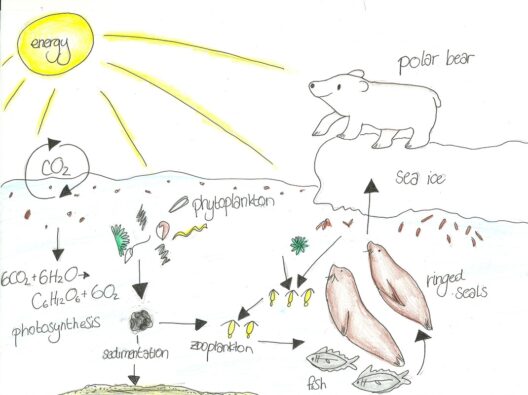
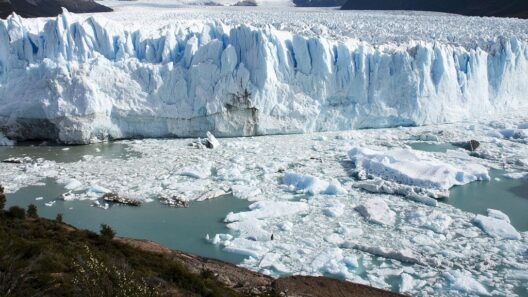
Intriguingly, biomes are not static; they exist as dynamic entities sculpted by time and environmental forces. Climate change, a pressing modern issue, acts as a sculptor, reshaping these biomes and their resident ecosystems. The ramifications are profound, as shifts in temperature and precipitation can lead to the migration of species. For example, as the planet warms, many organisms within the tundra might find themselves displaced, forced to adapt to changing conditions or face extinction. Such displacement not only alters the ecological balance but also disrupts the interdependence among species, which could trigger cascading effects through various ecosystems.
Examining the relationships within biomes reveals an exquisite interplay—the mutualism, commensalism, and competition that underpin ecosystems. Take, for instance, a temperate forest. Towering trees provide shelter for countless bird species while their fallen leaves nourish the rich soil that supports an entire understorey of plants. Simultaneously, beneath this verdant canopy, microorganisms work tirelessly to break down organic matter, recycling nutrients back into the ecosystem. Such interactions illustrate a finely-tuned system reliant on the diversity of life it supports.
It’s essential to recognize the compelling notion that preserving the integrity of these biomes is intrinsically intertwined with our own survival. The goods and services that emerge from healthy ecosystems—clean air, water filtration, pollination of crops, and climate regulation—are often overlooked, yet they are fundamental to human existence. When we compromise a biome, we diminish these services, sowing the seeds of our own potential downfall. This brings about an imperative reflection: what is our responsibility towards these ecological communities? Our stewardship is not merely an option; it is a necessity for our continued prosperity on this planet.
Furthermore, as we navigate through the challenges posed by climate change, deforestation, and urbanization, it becomes crucial to advocate for the safeguarding of biomes. Restoring the health of these regions is not merely an act of compassion but a pragmatic endeavor. Rewilding initiatives, for instance, aim to heal degraded ecosystems by reintroducing native species and allowing natural processes to reclaim the land. Such efforts not only bolster biodiversity but also restore the resilience of ecosystems against climate perturbations.
The concept of biomes, when framed as a profound narrative rather than a mere classification, invites each of us to engage actively with our environment. We are, after all, integral threads woven into the expansive fabric of life on Earth. Understanding how ecosystems within a biome function harmoniously encourages a sense of kinship with the natural world and fosters an ethos of sustainability. By committing to preserve these interconnected life forms, we ensure that future generations can inherit a vibrant and dynamic planet.
As we reflect on the life-sustaining wonder of ecosystems and their collective arrangements within biomes, let us maintain our commitment to protect these exquisite assemblages. They are, in essence, the cradle of life—each biome a unique chamber echoing the myriad forms of existence, urging us to cherish the delicate balance and vibrant diversity they offer. The call to action is clear: to appreciate, protect, and restore, ensuring that this intricate dance of life continues to flourish unabated.