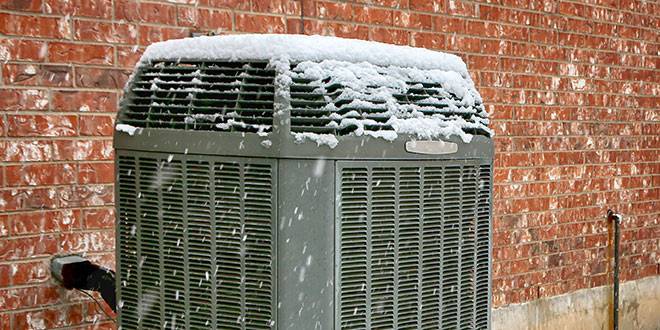

Can heat pumps really work in cold climates? This question often arises among homeowners and builders contemplating energy-efficient heating solutions. As environmental concerns escalate, the pursuit of sustainable energy systems has intensified, and heat pumps have gained notable attention for their efficiency and eco-friendliness. Nonetheless, the apprehension that heat pumps may falter in frigid temperatures persists. To unravel this enigma, it is essential to delve into the mechanics, performance factors, and expert opinions surrounding heat pumps and their capabilities in cold climates.
Firstly, it is paramount to understand the operational principles of heat pumps. These systems function by transferring thermal energy from the outside environment into a building. Utilizing the refrigeration cycle, heat pumps extract heat—even from chilly external air or the ground— and amplify it to provide indoor warmth. Unlike conventional heating systems that generate heat through combustion or electric resistance, heat pumps merely relocate existing heat, resulting in a lower carbon footprint and reduced energy bills.
However, the efficacy of heat pumps diminishes as external temperatures plunge. The crucial point of contention lies in the temperature threshold. Traditional air-source heat pumps become less efficient at temperatures below 32°F (0°C). This raises a significant question: are heat pumps merely relegated to milder climates, or can they triumph in the biting cold? To address this concern, comparisons between varying types of heat pumps are indispensable.
Among the predominant varieties, air-source heat pumps (ASHP) are widely utilized but come with limitations in colder regions. In contrast, ground-source heat pumps (GSHP), often referred to as geothermal heat pumps, maintain higher efficiencies, even at lower temperatures. GSHP systems draw heat from the earth, which remains at a relatively stable temperature year-round. The consistency of underground temperatures often means higher performance rates, even during winter’s fiercest chills.
Various studies elucidate how advancements in technology have markedly improved the performance of heat pumps in subzero temperatures. Modern cold-climate air-source heat pumps (ccASHP) are specifically engineered to function optimally in extreme conditions, employing enhanced refrigerants and improved compressor technology. The U.S. Department of Energy’s Cold Climate Heat Pump Challenge aims to encourage innovation in this domain, with the goal of developing equipment that delivers effective heating even when the mercury dips below 5°F (-15°C).
Experts assert that with proper installation and system sizing, heat pumps can indeed perform admirably in cold climates. For optimal performance, it is essential to select appropriate models, Account for local climate factors, and ensure that homes are fortified against air leaks. Therefore, effective insulation and sealing can significantly supplement the run-time of heat pumps by minimizing heat losses, thereby maximizing efficiency.
Another salient factor to consider is the difference in heating systems across regions. In areas accustomed to intense cold, reliance on backup heating systems may be necessary. Many homeowners opt for dual-fuel systems, integrating a heat pump with a conventional furnace to ensure reliable heating during the coldest months. This “hybrid” approach harnesses the advantages of heat pumps while retaining the assurance of conventional heating methods, especially when the temperature takes a nosedive.
The economic aspect of using heat pumps in cold climates strengthens the argument for their viability. Although upfront costs may seem daunting, several incentives and tax credits for energy-efficient upgrades mitigate the financial burden. The long-term savings, derived from reduced utility bills and maintenance costs, often outweigh initial investments, especially in regions where heating demands are high. Additionally, the burgeoning focus on reducing carbon emissions makes the transition to heat pumps not only economically sensible but also environmentally imperative.
Nevertheless, skepticism remains. Detractors argue that heat pumps do not produce sufficient heat in bitter conditions, leading to increased energy consumption during peak heating periods. While it is true that certain models may exhibit reduced efficiency as the temperature drops, the aforementioned technological advancements have addressed these challenges, creating systems that adapt to fluctuating climates.
As the global narrative shifts towards sustainable living, it is imperative to challenge the prevailing myths surrounding heat pumps. Continuous research and development define the future of heating technologies, and the ongoing evolution of heat pump systems will invariably contribute to their success in cold climates. Furthermore, vast consumer education on these technologies will ensure that individuals make informed decisions regarding their heating solutions.
In conclusion, the notion that heat pumps cannot effectively operate in cold climates is increasingly outdated. The intersection of advanced engineering, strategic installation, and conscientious home design positions heat pumps as a viable solution, even in challenging winter conditions. As the landscape of renewable energy continues to evolve, embracing innovative technologies such as heat pumps is essential for fostering both energy efficiency and environmental sustainability. The question is not whether heat pumps can work in cold climates; rather, it is how the collective efforts of homeowners, builders, and innovators can continuously enhance their capacity for optimal performance in frigid temperatures.