



Climate change is an omnipresent specter looming over humanity, a portentous reality that casts a long shadow on our collective future. The cacophony of opinions surrounding this phenomenon often oscillates between unbridled optimism and dire pessimism, leaving many to wonder: are we, in fact, irrevocably screwed? To address this question, it is imperative to disentangle the threads of fact and fiction, hope and despair, that characterize our discourse on climate change.
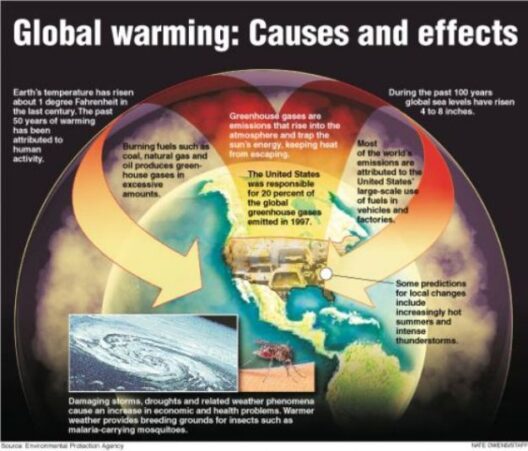
First, let us confront the brutal veracity of our situation. Climate change is not merely a figment of the imagination; it is a scientific reality substantiated by an overwhelming corpus of research. The overwhelming consensus among climate scientists indicates that human activities—primarily the combustion of fossil fuels and deforestation—are catalyzing unprecedented changes in the Earth’s climate. The Intergovernmental Panel on Climate Change (IPCC) has issued stark warnings that, without substantial and immediate intervention, global temperatures could increase by 1.5°C above pre-industrial levels as early as 2030. This increase heralds catastrophic consequences, including more extreme weather events, rising sea levels, and dire implications for biodiversity.
Disregarding the scientific community’s clarion call does not ameliorate the crisis; it exacerbates it. The notion that climate change is a distant threat, an abstract concern relegated to future generations, must be dispelled. Current events paint a vivid tableau of devastation, from raging wildfires in the Amazon and Australia to unprecedented floods in Europe and North America. Each of these occurrences serves as a harbinger of the dystopian path we are treading. The degradation of ecosystems, loss of species, and displacement of communities are not mere statistics; they are lived realities, reverberating through the very fabric of our societies.
Conversely, one must acknowledge an emerging narrative of hope and resilience amidst the chaos. Movements advocating for environmental justice are burgeoning, fueled by the relentless spirit of a new generation. These activists are harnessing innovative technologies and championing sustainable practices, demonstrating that change is not only necessary but feasible. Renewable energy sources such as solar, wind, and geothermal are no longer peripheral alternatives; they are rapidly becoming dominant forces in energy production. Investments in green technology are skyrocketing, suggesting a collective recognition that transitioning to a sustainable economy is both an ethical imperative and a lucrative opportunity.
Transitioning toward sustainability, however, is fraught with challenges. Political inertia, entrenched interests, and an overwhelming sense of apathy obstruct the path to meaningful reform. The fossil fuel industry continues to wield extraordinary influence over governmental policies, often impeding regulations that would promote ecological conservation. Furthermore, disinformation campaigns sow confusion and skepticism, undermining public understanding of climate science. Confronting these barriers necessitates a multifaceted approach, encompassing grassroots organizing, policy advocacy, and educational initiatives.
Moreover, the concept of climate equity must take center stage in our discourse. The reality is that marginalized communities often bear the brunt of climate change’s harshest impacts, despite contributing the least to greenhouse gas emissions. A comprehensive approach to climate change must also address social justice, ensuring that vulnerable populations are not left to struggle in the fallout of environmental changes. Climate action must be inclusive, incorporating voices from those who have historically been sidelined, including indigenous populations, women, and low-income communities. Their insights are crucial in sculpting a framework that is equitable and sustainable.
As the world continues to grapple with these multifaceted challenges, it becomes essential to cultivate a nuanced understanding of hope. Hope is not simply an emotion; it is a catalyst for action. It is the driving force behind local initiatives, community gardens, urban forests, and green spaces that flourish in the hearts of cities. Grassroots movements, once relegated to the periphery, are now taking center stage, galvanizing citizens to demand change from their local and national leaders. This burgeoning activism underscores a pivotal truth: every action matters. From reducing personal carbon footprints to lobbying for systemic changes, the actions of individuals can collectively unleash transformative waves of change.
Thus, the question remains: are we screwed? The answer is not a binary one. While the challenges posed by climate change are indeed formidable and, at times, overwhelming, the narrative is not exclusively one of doom. The interplay of dire realities and burgeoning optimism creates a complex tapestry characterizing the contemporary climate crisis. It becomes essential to embrace a dual approach: acknowledging the severity of the impending consequences while also fostering a fervent belief in humanity’s capacity for adaptation and innovation.
In conclusion, the path forward demands an amalgamation of rigorous scientific inquiry, unwavering activism, and collective moral responsibility. The future is not predetermined; it is shaped by the decisions we make today. Every effort counts, whether it be legislative reforms, educational efforts, or sustainable practices embraced in everyday life. While we may indeed confront an array of dire realities, abandoning all hope would be the ultimate surrender. The fight against climate change is not just about survival; it is about the reinvention of our relationship with the planet, a challenge that beckons with the promise of a more resilient, just, and sustainable world.