
The escalating crisis of climate change is looming ever larger over the natural world, compelling urgent discourse on its multifaceted impacts, particularly on wildlife. While many discussions frame climate change as a distant problem, its ramifications on animals are immediate and severe. The nexus between climate change and animal welfare invites scrutiny, revealing alarming trends that merit both attention and action. This article endeavors to illuminate the stark realities faced by species across various ecosystems, as well as the broader implications of their decline for biodiversity and, ultimately, human civilization.
To understand how climate change affects animals, one must first acknowledge the changing climate’s intricate web of effects. Rising global temperatures lead to shifting weather patterns, altering habitats in unpredictable ways. These temporal and spatial changes engender phenomena such as habitat loss, altered food availability, and increased human-wildlife conflicts. Such vulnerabilities render animal species not only at risk but also more susceptible to extinction.
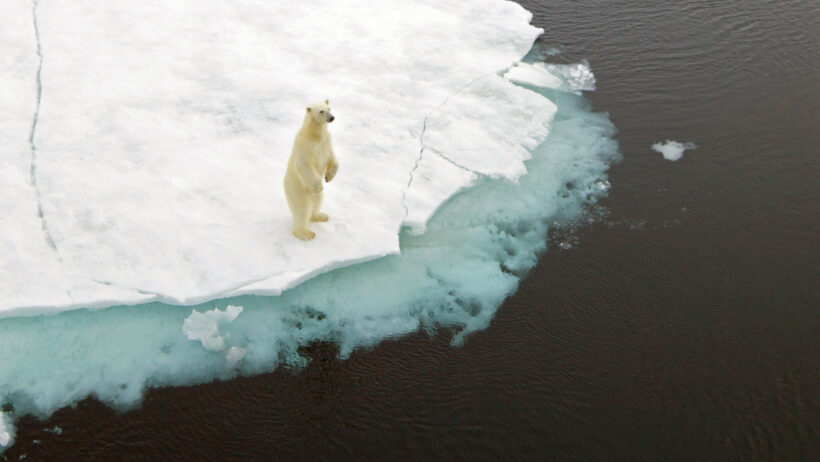
Polar bears epitomize the visceral plight wrought by climate change. The Arctic, a bastion of biodiversity and pristine landscapes, is rapidly transforming due to melting sea ice—an effect of rising temperatures. As ice diminishes, polar bears struggle to hunt seals, their primary prey essential for their sustenance. The result is an alarming rise in malnutrition and starvation cases among these majestic mammals, as evidenced by footage of emaciated bears. This is not merely a tale of one species; it is indicative of a larger trend impacting the Arctic’s ecosystem, where interdependence among species is paramount.
Yet, the crisis extends far beyond polar bears. Climate change does not operate in isolation; it interlinks with myriad factors influencing animal life. For instance, many bird species are experiencing alterations in migratory patterns due to temperature fluctuations. Changes in seasonal cues—triggered by temperature and food availability—can lead to mismatches in breeding and foraging times. Such disruptions threaten survival, as critical life stages become misaligned with environmental conditions, leading to dwindling populations.
The amphibian population, often heralded as bio-indicators of ecosystem health, faces peril from climate-related stressors as well. Warmer temperatures exacerbate the spread of pathogens such as chytrid fungus, a devastating disease affecting amphibians worldwide. This contagion, compounded by habitat loss and pollution, has resulted in catastrophic declines, with numerous species teetering on the brink of extinction. The extinction of amphibians not only robs ecosystems of diversity but also dismantles the essential roles they play in pest control and nutrient cycling.
Moreover, marine ecosystems are experiencing a dramatic transformation due to climate change. The ocean, which absorbs a significant portion of carbon emissions, is becoming increasingly acidic. This shift jeopardizes various marine species, particularly those with calcareous structures, including corals and mollusks. As reefs bleach and die, the habitat loss reverberates through the food web, threatening countless fish and invertebrate species. The ripple effects are profound; a decline in fish populations can impact human food security, showcasing the interconnectedness of climate issues.
The consequences of climate change on wildlife are not merely biological; they extend into the socio-economic realm, where communities relying on biodiversity face existential threats. Indigenous cultures, often entwined with specific flora and fauna, find their traditions and livelihoods jeopardized as ecosystems fragment. The loss of species can lead to a domino effect of declining resources, limiting sustainable practices that have been passed through generations. The rights of nature and the rights of people are increasingly interwoven, demanding a comprehensive approach that considers both ecological integrity and human welfare.
Addressing climate change impacts on wildlife necessitates an interdisciplinary approach. Conservation efforts must evolve to encompass not merely the preservation of individual species but also the protection of entire ecosystems. Ecological corridors, strategic habitat restoration, and innovative conservation policies must be employed to enhance species resilience against climate change. Furthermore, there is a pressing need for transboundary collaboration, particularly when species traverse national borders. Collective efforts that incorporate scientific research, local knowledge, and stakeholder engagement can empower communities to play an active role in climate adaptation strategies.
Engagement at the policy level is fundamental to catalyze meaningful change. Legislative frameworks must reflect the urgency of climate action and biodiversity protection. Funding for conservation initiatives should be prioritized, ensuring that resources flow toward efforts that mitigate climate change impacts on wildlife. Policymakers must recognize that investing in biodiversity not only secures ecological health but paves the way for sustainable economic growth and resilience against future climate-related shocks.
In conclusion, the ramifications of climate change extend far beyond human concerns, implicating a multitude of species and ecosystems that form the intricate tapestry of life on Earth. While some may remain apathetic or unconvinced of the immediacy of this crisis, the evidence cannot be ignored—wildlife in crisis is a profound reality we must confront. Time is of the essence, and the urgency to act transcends species-specific concerns; it is a clarion call for the preservation of our planet’s biodiversity and the delicate balance that sustains life as we know it. Only through concerted efforts can the trajectory of climate change be altered, allowing wildlife not just to survive, but to flourish amidst the ever-evolving landscape of our world.