
In the tapestry of our environment, every thread counts, and littering, with its insidious presence, is like a damning stitch that unravels the fabric of our ecosystem. The grim reality we face today is that littering not only tarnishes our landscapes but also exacerbates the dire issue of climate change. The dirty truth behind trash warrants an exploration that delves deep into the interconnections between our careless actions and the shifting climate patterns that haunt our planet.
At first glance, littering may seem a localized nuisance, a mere blight on the beauty of our parks and streets. However, this perception is deceptively simplistic. Litter transcends the immediate physical realm, finding its way into our oceans, rivers, and even our atmosphere. Each discarded plastic bottle or food wrapper has a lifecycle that often ends in grave consequences far beyond their brief existence as refuse. The paradoxical link between littering and climate change invites scrutiny of our consumption habits and disposal practices, revealing a complicated web of causation that is both scientific and philosophical.
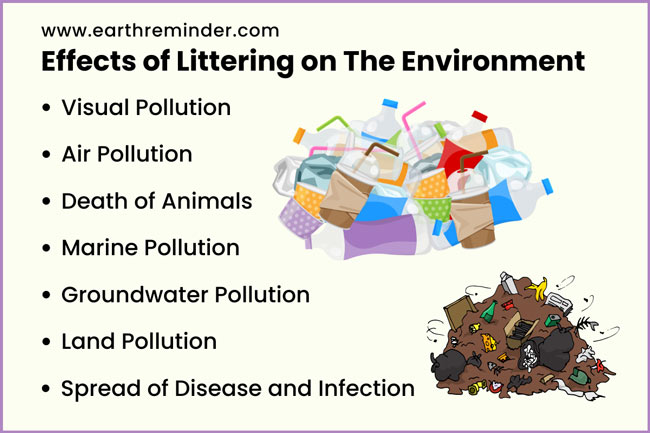
To fathom this connection, one must first understand the concept of waste management. Waste is not merely a byproduct of consumption but rather a reflection of our societal values and behaviors. When litter is carelessly discarded, it becomes a burden, contributing to the pollution of our air and waterways. This pollution, in turn, affects the delicate balances that maintain sustainable ecosystems, prompting disruptions within climate systems that we rely on for our very survival.
Consider the ubiquitous plastic. It has woven its way into our lives like an unwelcome guest, too comfortable to leave. When plastic waste enters the natural environment, it undergoes degradation processes that release greenhouse gases such as methane and ethylene. This is a startling revelation, as the very items that adorn our picnic tables and beaches inadvertently contribute to warming the planet. The litter we scatter today becomes the greenhouse gases that cloak the Earth tomorrow, creating a calamitous cycle that perpetuates climate change.
Moreover, the act of littering often accompanies a broader cultural disregard for environmental stewardship. A society that permits its members to casually discard waste is one that fails to grasp the significance of sustainability. This negligence erected barriers to effective waste management systems, diverting recyclable materials from their potential rebirth as useful products. Each missed opportunity to recycle adds to the waste stream, further burdening landfills where decomposition occurs over decades, if not centuries. These landfills are not merely piles of trash; they are potent sources of methane emissions and space where nature’s balance is relentlessly tipped.
The inherent irony of littering and its relationship with climate change lies in its capacity to disproportionately affect marginalized communities. Often, garbage tends to accumulate in areas with less political clout and fewer resources for clean-up. These communities become modern-day waste dumps; they breathe in polluted air and absorb contaminated waters, experiencing the brunt of climate change while contributing negligibly to the emissions driving it. The tyranny of littering reveals itself as an environmental injustice, an affront to social equity that needs urgent redress.
Furthermore, littering has implications that resonate beyond environmental degradation. The economic repercussions unfurl as well, impacting tourism, property values, and public health. Clean and pristine environments attract visitors, promoting local businesses and fostering community pride. When litter mars these landscapes, the inverse effect ensues. The economic vitality of an area can dim alongside the accumulation of refuse. This loss of value becomes a self-fulfilling prophecy, as neighborhoods plagued by litter often find themselves overlooked for investments and improvements that could counteract the decline.
So what, then, can be done to mitigate the corrosive effects of litter on our climate? The answer lies in collective action and an unwavering commitment to change. Elevating public awareness through education about the ramifications of littering is crucial. By enkindling a sense of responsibility in citizens and encouraging proactive behaviors—such as using reusable containers and taking a moment to dispose of waste properly—we can sow the seeds of a more sustainable future.
Moreover, advocating for robust waste management policies that champion recycling and waste reduction is imperative. Communities should demand accountability from corporations that produce single-use plastics and unsustainable packaging. In doing so, we compel businesses to innovate, to pursue greener alternatives that align with the ethos of environmental stewardship.
Finally, litter clean-up initiatives serve not only to combat the eyesore of trash but also to empower individuals and communities. Engaging citizens in clean-up efforts fosters a sense of unity and shared purpose, as participants witness firsthand the tangible impact of their actions on the environment. Collectively reclaiming spaces marred by litter can ignite a passion for preservation, nurturing a culture of care that has often been lost in the malaise of modern life.
In conclusion, to disentangle the relationship between littering and climate change is to confront the uncomfortable truth of our role in the environmental crisis. Every piece of trash left behind serves as a reminder that the choices we make, both large and small, have lasting repercussions. It is crucial to recognize that the act of littering is not merely a trivial offense; it is a transgression against the very fabric of our planet. Only through concerted efforts can we hope to mitigate the spread of climate change, one small act at a time, stitching together a future that is cleaner, more sustainable, and just for all.