

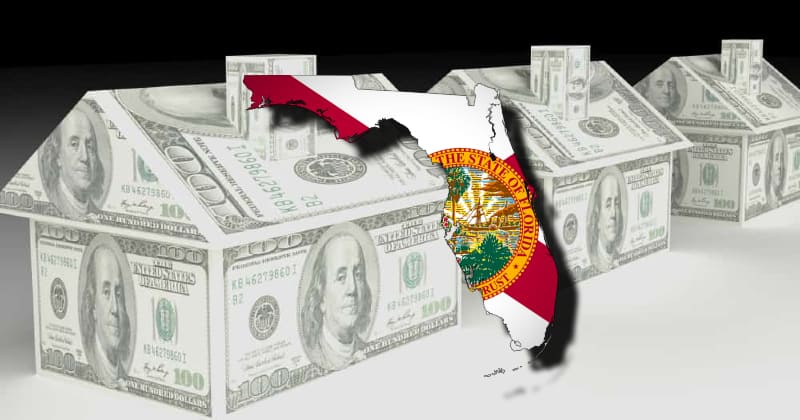

As the sun blazes hotter each summer, a perplexing question lingers: how many sun-kissed homes can withstand the relentless forces of climate change? Florida, known for its paradisiacal beaches and vibrant lifestyle, now grapples with an unforeseen challenge—escalating insurance rates driven by a warming climate. The once idyllic experience of homeownership is increasingly overshadowed by the specter of higher premiums, tumultuous weather patterns, and perilous flooding. Both residents and prospective homeowners must navigate this changing landscape, where the interplay between climate change and insurance becomes crucial.
Florida’s enviable climate is undergoing a transformation. Rising sea levels, intensified storms, and increased humidity have become the new normal, wreaking havoc on the state’s infrastructure. It’s no secret that Florida is particularly vulnerable to the whims of nature. According to a report from climate experts, the frequency and intensity of hurricanes have surged, leading to catastrophic damage. These realities present a significant predicament for insurance companies, which are struggling to keep pace with the escalating risks associated with climate change.
The relationship between climate change and insurance is multifaceted. As extreme weather events become commonplace, insurance premiums inevitably rise. Insurers find themselves absorbing the costs of claims resulting from flood damage, wind destruction, and fire-related catastrophes. Consequently, these escalating expenses initiate a domino effect. Homeowners face a harsh reality check: with each storm that blows through, their insurance costs could skyrocket. Many are forced to reconsider their financial positions, often opting for policies with higher deductibles or reduced coverage to mitigate rising expenses.
Climate change is not merely an environmental concern—it is intricately interwoven with economic realities. The increasing strain on insurers results from their attempts to predict future risks amidst unpredictable weather patterns. As Florida’s coastal communities face the brunt of these changes, insurers may become more selective, limiting coverage options, or charging exorbitant rates commensurate with the growing risk landscape. How will this affect Florida’s housing market? The prospect of having to insure a home with such expenses may deter potential buyers. Those already in their homes may find themselves trapped, unable to afford necessary coverage, which may lead to dire consequences if disaster strikes.
More importantly, the insurance dilemma extends beyond individual homeowners. It engulfs entire communities. As neighborhoods suffer from recurrent flooding or wind damage, not only do homeowners navigate soaring insurance costs, but local economies face challenges as well. A homes’ value is frequently tied to community stability; significantly higher insurance rates may seep into property values. The potential for decreasing valuations poses a challenge not just for homeowners, but also for municipalities reliant on property taxes for funding crucial public services. Will towns lose their charm, infrastructure, and vital resources due to this ripple effect?
Moreover, the implications stretch further into accessibility. Traditionally, low-income families and individuals may find it increasingly difficult to afford housing in a market riddled with high insurance costs. A dire question surfaces: what happens to those who cannot afford comprehensive insurance? They may find themselves living in homes vulnerable to the ravages of climate change, without the safety net of adequate coverage. This situation poses an ethical concern: how can Florida ensure that climate adaptation strategies do not disproportionately impact marginalized populations?
As storm surges intensify and temperatures rise, Florida’s insurance landscape necessitates profound transformation. Innovative solutions must be explored to mitigate the challenges posed by climate change. How can state policymakers and insurance companies collaborate to create equitable insurance frameworks that protect residents while also stabilizing the market? Initiatives that incentivize retrofitting homes to be more resilient or subsidizing insurance for those in high-risk zones could play a pivotal role.
In addition, fostering greater community engagement is crucial. Engaging residents in discussions surrounding climate resilience can stimulate grassroots initiatives that address local challenges. Collective pressure may compel insurers to reconsider their pricing strategies or coverage options. By fostering a sense of community responsibility, residents can collaborate, innovate, and work toward transformative solutions that benefit all parties involved.
Ultimately, navigating the complexities of climate change and insurance in Florida demands a multi-pronged approach. The interplay between rising temperatures and higher rates will inevitably change the face of homeownership in the Sunshine State. From seeking policy reforms to embracing innovative technologies and engaging communities, a collective effort is crucial. Everyone—from homeowners to local governments—must work together to find solutions that safeguard not only property but also the well-being of communities at large.
As the sun sets over Florida, the shadow of climate change looms ever larger. The challenge is not simply to endure rising temperatures and insurance rates but to thrive amidst the changes. Will Florida craft a narrative of resilience, adaptation, and community strength? Only time will tell, but rising to this challenge is imperative.