
Climate change has become an omnipresent specter looming over humanity, executing its toll through catastrophic weather events and a plethora of other destabilizing phenomena. The stark reality remains that the impact of climate change is not just some esoteric environmental issue but has far-reaching implications on human life and society at large. To understand the gravity of this situation, one must delve into the intricate relationship between climate change, mortality, and human health.
Firstly, let us address the alarming statistics surrounding climate-related deaths. The World Health Organization (WHO) has emphasized that climate change is expected to cause approximately 250,000 additional deaths annually from 2030 to 2050. This figure encapsulates a range of consequences, including increased heatwaves, extreme weather events, and the spread of infectious diseases. These predictions, haunting in their specificity, compel us to confront the visceral reality of climate-induced mortality.
Heatwaves stand at the forefront of climate change’s deadly arsenal. Historically, heatwaves have been responsible for thousands of fatalities worldwide. The phenomenon of “urban heat islands,” wherein city environments become significantly warmer than their rural counterparts, exacerbates the situation considerably. Vulnerable populations, such as the elderly and individuals with pre-existing health conditions, find themselves at heightened risk. The insidious whisper of rising temperatures transforms into the deafening crescendo of mortality rates, particularly during periods of extreme heat.
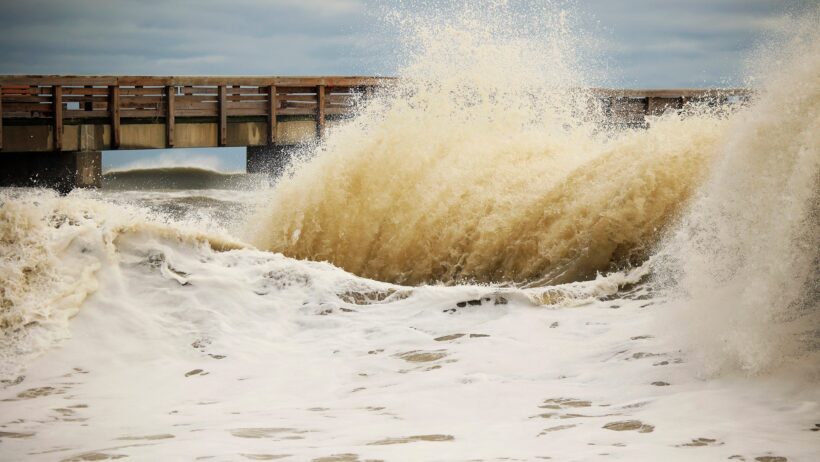
Natural disasters, catalyzed by climate change, wreak havoc upon communities, claiming lives and displacing families. Hurricanes, floods, and wildfires have become increasingly frequent and severe, with scientists attributing these trends directly to our changing climate. The sheer force of nature unleashed by these occurrences not only results in immediate casualties but also sows the seeds of long-term health crises. Post-disaster scenarios often involve the spread of waterborne diseases, mental health challenges, and diminished access to healthcare resources. The death toll rages on, not just in the immediate aftermath but as an ongoing saga of suffering.
Moreover, the subtle yet destructive tides of ecosystem disruption are leading to fatalities that go unnoticed. Climate change precipitates shifts in biodiversity, unsettling ecological balances. The resultant loss of pollinators, the degradation of arable land, and the collapse of fish stocks bear repercussions that trickle down to human nutrition and health. The irony is profound: as climate change ravages natural systems, it simultaneously lays the groundwork for food insecurity, malnutrition, and the associated health complications that ensue. Vulnerable communities, often bearing the brunt of these changes, become ensnared in a cycle of poverty and ill health.
Atmospheric alterations due to climate change also elevate respiratory diseases. Increased concentrations of air pollutants, coupled with the proliferation of respiratory allergens like pollen, accentuate the health risks to individuals suffering from ailments like asthma and chronic obstructive pulmonary disease (COPD). The cutthroat aggression of climate change infiltrates our very air, choking the vulnerable and contributing to premature deaths.
An ancillary yet critical consideration in this discourse is mental health. The psychological ramifications of climate change—often dubbed “eco-anxiety”—are increasingly recognized in the contemporary conversation surrounding climate action. The slow-burn trauma of witnessing environmental degradation, coupled with the fear of an uncertain future, contributes to distress that can lead to suicidal ideation and other drastic outcomes. As the temperature rises, so too does the mental burden on humanity, serving as a stark reminder of climate change’s multi-faceted impact.
As we explore the harrowing consequences of climate change, it becomes evident that the concern over mortality extends beyond mere numbers. It is a poignant narrative that involves stories of families torn apart, communities devastated, and lives abruptly extinguished. Such a narrative compels us to reconsider our approach to climate action. Sitting idly by while the Earth spirals into chaos is no longer an option; the heralding of climate change as the “threat multiplier” demands our utmost attention.
Transitioning from awareness to action is imperative. The urgency with which leaders, policymakers, and citizens address climate change will ultimately determine the scale of mortality we face in the coming decades. It is crucial to advocate for robust climate policies that prioritize sustainability and resilience, ensuring that we not only combat the present manifestations of climate change but also avert future tragedies. Collective action can engender significant change, underlining the truth of the adage: “What one can do alone, many can achieve together.”
Educational initiatives play a pivotal role in this shift. Cultivating an informed citizenry encourages individuals to engage with the climate crisis actively. Communities can engage in local projects aimed at fostering resilience against climate effects—restoring wetlands, planting trees, and promoting renewable energy sources are among the myriad of strategies that can be employed. No concrete solution can emerge without the potent blend of awareness and action; apathy is a luxury we can ill afford.
In conclusion, the discourse surrounding climate change and mortality is laden with urgency—marked by alarming statistics yet punctuated by moments of hope. The intricate tapestry of relationships between climate impacts, health, and mortality necessitates a thoughtful examination. As we grapple with the enormity of the crisis, we must remember that each statistic represents a life lost, a family shattered. It is only through collective recognition and decisive action that we can hope to diminish the toll climate change exacts on human life. Tomorrow’s promise of a healthier planet can only be realized today, through our concerted efforts to galvanize change and foster a more sustainable future.