
The harrowing specter of climate extinction looms larger than ever, demanding urgent attention and irrevocable action. As we delve into the numbers, we unearth a poignant narrative of biodiversity loss that transcends mere statistics, revealing a profound rift in the web of life on our planet. Scientists project that nearly 1 million species are teetering on the brink of extinction. With our planet’s biodiversity rapidly diminishing, it is imperative to comprehend how many species have already been lost and what this spells for the future of life on Earth.
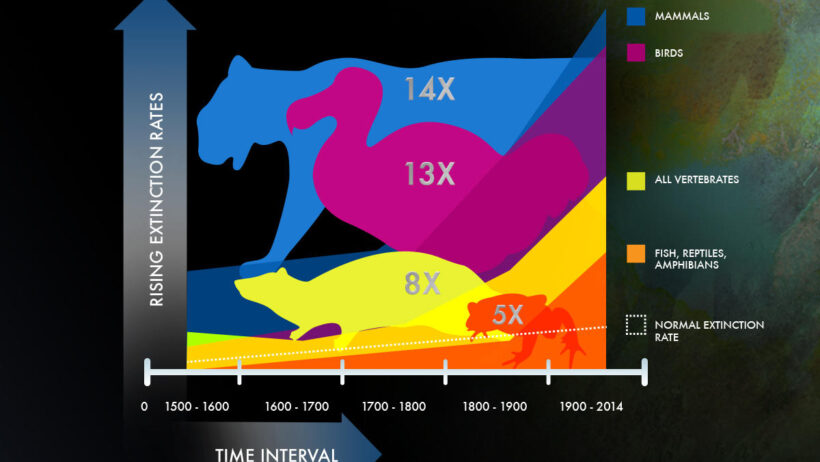
The phenomenon of species extinction is not a new occurrence; it has been part of Earth’s history for millions of years. However, the current rate at which species are disappearing is alarming. The International Union for Conservation of Nature (IUCN) maintains a Red List that catalogues species at risk of extinction. This list reveals an unprecedented pace of loss akin to a mass extinction event, often described as the sixth mass extinction in Earth’s history. Unlike prior extinctions, driven by natural phenomena such as volcanic eruptions or asteroid impacts, the present crisis is predominantly attributable to anthropogenic factors.
Habitat destruction emerges as a primary catalyst for this alarming trend. Urbanization, deforestation, mining, and agricultural expansion decimate habitats, leaving countless species without their natural environments. Tropical rainforests—often heralded as the lungs of the Earth—are being razed at an immense scale, threatening not only countless flora and fauna but also destabilizing climatic conditions globally. As forests recede into mere patches, the delicate balance that sustains diverse ecosystems is irrevocably shattered.
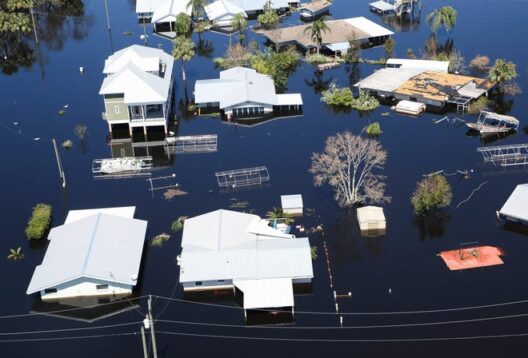
Climate change, an inseparable thread in the fabric of modern existential challenges, exacerbates the plight of endangered species. Rising global temperatures disrupt habitats, altering precipitation patterns and triggering extreme weather events. Species that have adapted over millennia struggle to cope with rapid changes. Marine life, too, faces dire challenges; ocean acidification and warming waters jeopardize coral reefs, which are vital ecosystems supporting a myriad of marine species. Coral bleaching, a harbinger of ecological decline, is spiraling into a crisis, illustrating that the interconnectivity of climate and biodiversity cannot be understated.
Pollution further compounds these issues, casting a multifaceted shadow over the natural world. Pesticides, plastic waste, and chemical runoff impair the delicate biomes that sustain life. Aquatic ecosystems are particularly vulnerable to these pollutants, as toxins infiltrate waterways, threatening fish populations and other aquatic organisms. Pollinators, such as bees and butterflies, which are essential for food production and biodiversity, face peril due to diminishing habitats and exposure to harmful chemicals. The ripple effect is vast, leading to food scarcity and a cascading loss of ecological integrity.
Another harrowing byproduct of human civilization is the commercialization of wildlife. Overexploitation, whether for food, medicine, or the exotic pet trade, places immeasurable stress on populations. Species are hunted to near oblivion, with some, like the passenger pigeon and the thylacine, now forever lost. Even seemingly abundant species can decline precipitously due to overharvesting, turning to extinct relics of our natural heritage. Such unsustainable practices underscore a profound ethical dilemma: we must examine our place in the natural order and our responsibility toward preserving it.
As we probe deeper into the statistics, the gravity of the biodiversity crisis becomes undeniable. Extinct species not only diminish the beauty of our planet but disrupt ecosystem services vital for human survival, such as pollination, nutrient cycling, and climate regulation. A staggering 70% of species are projected to face extinction in the foreseeable future if the current trajectory continues. This forecast is not merely ominous but a clarion call to action. It highlights an urgent need to implement effective conservation strategies that prioritize biodiversity and emphasize sustainable practices.
Amidst the stark realities of climate extinction, some glimmers of hope emerge. Conservation efforts worldwide seek to reverse the trends. Protected areas are expanding, restoration projects are revitalizing ecosystems, and community-based conservation initiatives empower local populations to take stewardship of their natural surroundings. These movements are calling for a transformative approach that reimagines our relationship with the environment, advocating for harmony rather than dominance over nature.
Educating communities about the plight of endangered species is paramount. Increasing awareness can foster a sense of responsibility and ignite grassroots movements to address climate change and its ramifications. Involving indigenous knowledge and practices offers invaluable insights into sustainable living, providing a model for coexisting with nature rather than exploiting it. By embracing an ethos of conservation, society can catalyze a shift away from destructive habits toward a more symbiotic relationship with the natural world.
In conclusion, the Earth is at a critical juncture; the loss of biodiversity poses an existential threat not only to the myriad species that inhabit our globe but ultimately to humanity itself. The profound implications of climate extinction demand rigorous dialogue and proactive measures. As we confront this crisis, we must cultivate a nuanced understanding of the interdependence shared between all forms of life, and take resolute actions to preserve the ecological tapestry that has sustained life for eons. It is not too late to safeguard the future of our planet, but the time for action is now. Each of us possesses the ability to contribute to a sustainable future—through conscious choices, advocacy, and, most importantly, a profound respect for the intricate web of life that encompasses us all. The urgency of this matter cannot be overstated; the clarion call for action resonates more sharply than ever.