

The phenomenon of climate change is not merely a distant concern for future generations; it is an immediate reality shaping myriad facets of our daily existence. The effects of climate change are akin to falling dominoes, where the tipping of one leads to cascading consequences that impact us all, regardless of geographic location or socio-economic status. This intricate web of interconnections illustrates how, in our globalized world, a change in one region can reverberate across the globe, affecting ecosystems, economies, and human health. Understanding this domino effect is crucial for fostering a collective response to climate change.
At the core of climate change is the increase in greenhouse gas emissions, primarily carbon dioxide, due to human activities such as burning fossil fuels, deforestation, and intensive agriculture. This accumulation of gases in the atmosphere results in global warming, which in turn disrupts weather patterns. The first domino to fall is the alteration of our climate systems. Extreme weather events, such as hurricanes, droughts, and floods, have become more frequent and intense. These manifestations of climate change do not confine themselves to remote areas; they induce widespread humanitarian crises that can lead to food shortages, economic instability, and displacement.
Consider the agricultural sector, which constitutes the backbone of food security for billions. Altered precipitation patterns and temperature fluctuations can yield catastrophic impacts on crop yields. Regions traditionally rich in agriculture may experience diminished productivity, leading to increased food prices and heightened hunger. This reality creates a domino effect; communities dependent on food stability may experience social unrest as competition for dwindling resources intensifies. Similarly, economies that rely heavily on agriculture are rendered vulnerable. As soil quality diminishes and arable land becomes scarce, livelihoods are jeopardized and entire communities could be thrust into poverty.
Beyond agriculture, climate change exerts pressure on freshwater resources, another critical element of survival. As temperatures rise, glaciers – vital sources of freshwater for millions – are melting at an alarming rate. The domino effect is clear: less glacial melt translates to reduced water availability. Rivers may dry up, affecting drinking water supplies and irrigation for crops. In urban areas, water scarcity can spark conflicts over resource allocation, exacerbating tensions between communities. Furthermore, aquatic ecosystems suffer as temperatures rise, pushing certain fish species to migrate or perish, thus unsettling the fishing industry reliant on stable populations.
The environmental repercussions of climate change extend into biodiversity. Ecosystems serve as the foundation for ecological balance, and their degradation can lead to irrevocable loss of species. The extinction of flora and fauna creates an imbalance, disrupting food webs and diminishing the ecosystem services we depend on, such as pollination, pest control, and carbon sequestration. This is another domino in the chain; as species decline, human interactions with nature become increasingly strained. For example, the decline of pollinators like bees can directly affect agricultural outputs, leading to further economic consequences.
Moreover, the health impacts of climate change cannot be understated. Rising temperatures contribute to increased prevalence of vector-borne diseases. Mosquito populations flourish in warmer climates, heightening the risk of diseases such as malaria and dengue fever. The spread of pathogens and allergens linked to climate conditions poses a grave public health risk, straining healthcare systems and causing widespread humanitarian challenges. Vulnerable populations, particularly in low-income regions, are disproportionately affected, highlighting issues of social justice and equity as these health challenges become intertwined with economic and environmental crises.
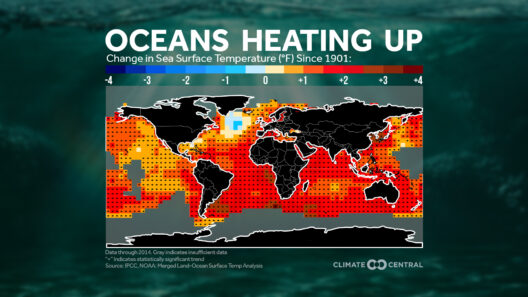
Climate change also has ramifications for oceanic systems, where rising sea levels threaten coastal communities around the globe. Cities situated near coasts face the expanding risk of flooding, with consequences that extend beyond immediate physical damage. Property values plummet in areas beset by flooding risks, which in turn affects local economies and real estate markets. The feasibility of large-scale relocations for populations affected by rising tides introduces daunting questions regarding infrastructure, governance, and social cohesion. These shifts create a series of dominos that knock into each other, creating a precarious reality for those living in coastal areas.
Recognizing the interconnectedness present in these cascading challenges is essential for fostering a holistic approach to climate resilience. While individual actions are worthy of acknowledgment, systemic changes are fundamental for impactful progress. This includes international negotiations aimed at achieving low-carbon economies, enhancing renewable energy technologies, and sustaining natural resources. Extensive public policy cooperation and educational initiatives are necessary to pave the way for sustainable practices across global networks. The direction in which we steer our collective efforts to combat climate change will determine not only the fate of the environment but also the well-being of humanity.
In conclusion, climate change is not an isolated phenomenon but a global domino effect that touches every corner of our lives. The implications of its far-reaching effects underscore the necessity for collective action at all levels of society. Acknowledging the interconnectedness of our global challenges requires a paradigm shift, one where individuals, communities, and nations recognize their roles in contributing to or alleviating the crisis. This shift not only promises to enhance our understanding of the issue but also serves to galvanize collective will for innovation and cooperation. The urgency for proactive engagement is palpable; the time to address climate change through a global lens is now.