



The climate crisis is an undeniable and pressing challenge confronting humanity in the 21st century. A frequent inquiry that arises among concerned citizens, policymakers, and activists alike is, “Is anything actually being done about climate change?” This question encapsulates a profound ambivalence that reflects both hope and skepticism regarding the effectiveness of global responses to environmental degradation. As public discourse continues to evolve, recent developments warrant examination and contextualization within the ongoing narrative of climate action.
Firstly, it is essential to delineate the multifaceted nature of the climate crisis. The problem is not merely a gradual increase in global temperatures; rather, it encompasses a plethora of interconnected issues, including severe weather events, biodiversity loss, ocean acidification, and socio-economic disparities exacerbated by environmental degradation. Such complexity calls for equally intricate solutions, and while global prominence fluctuates, there are proactive initiatives underway that merit acknowledgment.
Internationally, agreements like the Paris Accord serve as foundational pillars in the global fight against climate change. Ratified in 2016, this landmark agreement seeks to limit global warming to well below 2 degrees Celsius above pre-industrial levels. Participating nations have committed to reducing greenhouse gas emissions and investing in renewable energy technologies. The ambitious targets set forth by various countries underscore a collective recognition of climate change as an existential threat. Nevertheless, the execution of these commitments has varied significantly. Some nations accelerate their transition to renewable energy sources, while others falter due to political, economic, or social pressures.
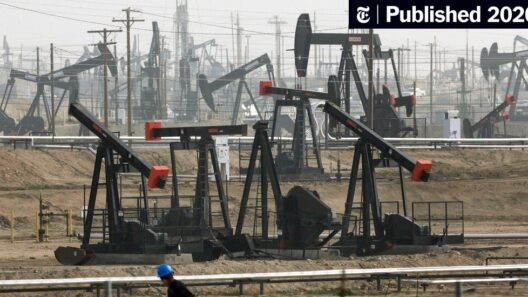
Domestically, various governments are implementing policies aimed at combating climate change. Regulatory frameworks are being drafted to promote the adoption of clean energy technologies, improve energy efficiency, and bolster conservation efforts. The United States, for instance, has seen a resurgence in renewable energy production, particularly solar and wind, driven by both market forces and federal incentives. States like California have taken the lead, adopting rigorous emissions standards and investing in sustainable infrastructure. However, this progress is often mitigated by opposition from entrenched interests that prioritize fossil fuel extraction, reflecting a tension between financial imperatives and environmental stewardship.
In addition to governmental action, the private sector has increasingly acknowledged its role in the climate discourse. Corporations are progressively setting ambitious sustainability targets, embracing circular economy principles, and investing in carbon offset initiatives. Companies like Tesla revolutionize the automotive industry, highlighting a shift towards sustainable practices and technologies. Despite this positive trajectory, skepticism persists. The concept of “greenwashing,” where entities superficially promote environmental responsibility without substantive action, complicates perceptions and undermines genuine efforts to address climate change.
Grassroots movements and civil society organizations have also played a pivotal role in advancing climate action. Activists around the globe, particularly youth-led initiatives, have galvanized widespread concern about climate change, demanding accountability from both corporations and governments. The climate strikes, inspired by young activists like Greta Thunberg, have mobilized millions, raising awareness and pressuring leaders to take tangible action. These movements reflect a burgeoning environmental consciousness, yet they also illuminate the disconnect between popular sentiment and political will. Progress is often slow, and while the collective voice of the public is powerful, it frequently encounters inertia within institutional frameworks.
Furthermore, innovative technologies and scientific research are being employed to combat climate change. Breakthroughs in carbon capture and storage (CCS), advancements in renewable energy, and the exploration of geoengineering underscore humanity’s ingenuity in addressing environmental challenges. Notably, researchers are devising methods to harness and utilize carbon emissions to create sustainable products or energy sources. Renewable energy technologies are becoming increasingly economical, with solar and wind energy competing favorably against fossil fuels without subsidies. This evolution in technology holds promise for mitigating climate change but necessitates robust investment and supportive policies to proliferate.
In the realm of international finance, commitment to climate-conscious investing is growing. Financial institutions are incorporating environmental criteria into their investment decisions, leading to the proliferation of green bonds and sustainable investment funds. Such initiatives not only provide critical funding for renewable energy projects but also signal a shift in the perception of sustainability among investors. However, the transition to a green economy is not without obstacles. Critics contend that financial systems are often slow to respond and that genuine systemic change requires more than just investment—consideration of social and economic justice is equally paramount.
Despite the myriad efforts underway, the question persists: Is anything actually being done about climate change? The answer, while complex, reveals a tapestry of initiatives, motivations, and impediments. While significant strides have been made at various levels, the velocity and magnitude of the climate crisis demand an urgent and unified response. Progress is evident, yet it is frequently stymied by a lack of coordination, political will, and societal divisions. The fascination surrounding this inquiry underscores deeper anxieties about our planet’s future and humanity’s capacity for collective action.
In conclusion, while it is undeniable that efforts to combat climate change have garnered momentum, the challenge remains vast and multifaceted. Climate action must integrate collaboration among governments, industries, and civil society with an unwavering commitment to equity and justice. The question “Is anything actually being done?” should compel ongoing dialogue and critical reflection, urging all stakeholders to intensify their endeavors and reshape the narrative surrounding climate change. Only through unwavering dedication and innovative thinking can meaningful progress be achieved to secure a sustainable future for generations to come.