


The phenomenon of climate change has become the forefront of contemporary environmental discourse, resembling a colossal iceberg—only a fraction visible above water while the majority lurks beneath the surface, a testament to humanity’s precarious balance with nature. This metaphor elucidates the multifaceted and complex nature of climate change, challenging the notion that an easy solution might exist. As the world grapples with the dire impacts of anthropogenic activities, the exploration of viable solutions becomes imperative.
To embark on this inquiry, one must first dissect the elemental forces driving climate change. The combustion of fossil fuels, deforestation, and industrial emissions constitute the primary culprits, releasing copious amounts of greenhouse gases into the atmosphere. These gases exacerbate the greenhouse effect, trapping heat and engendering a cascade of catastrophic events—rising sea levels, extreme weather patterns, and biodiversity loss. Understanding this intricate web of causation lays the groundwork for addressing the question of solutions.
At the forefront of potential remedies, renewable energy emerges as a beacon of hope, illuminating the path toward a sustainable future. Moving away from fossil fuels to harness energy from the sun, wind, and water can drastically decrease greenhouse gas emissions. Solar power has burgeoned into a viable alternative, with technological advancements rendering photovoltaic cells more efficient and accessible. However, the transition hinges upon not merely adopting new technologies but dismantling the entrenched economic systems that favor fossil fuels.
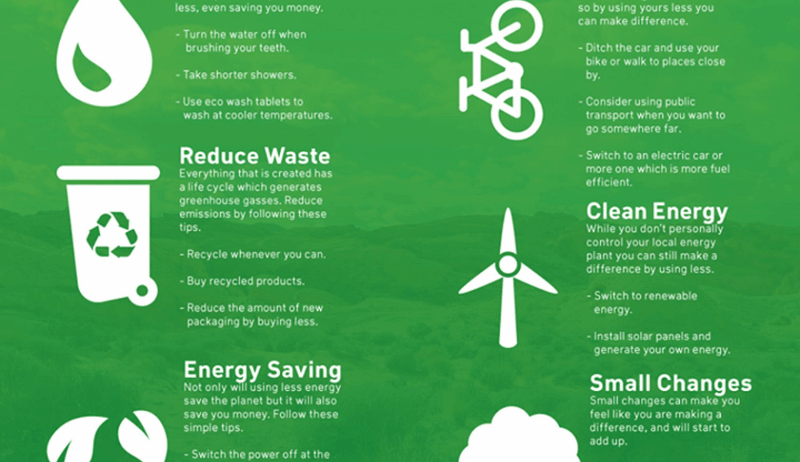
Yet, reliance solely on renewable energy is akin to placing a band-aid on a gaping wound. To truly combat climate change, radical changes in consumption patterns are essential. The concept of sustainability must permeate consumer behavior, urging individuals and corporations alike to cultivate a culture of minimalism, reducing waste, and embracing circular economies. This paradigm shift necessitates the reevaluation of purchasing habits—less can indeed be more when reimagined through a sustainability lens.
Another crucial avenue for redress lies in reforestation and afforestation efforts. Forests serve as the lungs of our planet, sequestering carbon dioxide and promoting biodiversity. The stark reality, however, is that deforestation continues unabated, propelled by agricultural expansion and urban development. Initiatives aimed at restoring degraded lands and planting new forests can serve as a counterbalance to the carbon footprint left behind by industrialization. The synergy between natural ecosystems and human endeavors can foster both environmental resilience and a sense of communal stewardship.
Moreover, innovations in carbon capture and storage technology illustrate how science can aid in reversing some of the damage inflicted upon the planet. These technologies, designed to encapsulate carbon emitted from industrial processes, promise to mitigate atmospheric carbon levels. Nonetheless, while such technological advancements hold potential, relying solely on future inventions could dilute immediate actions needed now. It is critical to approach these technologies with cautious optimism, recognizing them as part of an integrated strategy rather than the solitary solution.
In addition to technological and ecological measures, legislative frameworks play an indispensable role in formulating climate strategies. Policymakers wield tremendous influence over climate action through appropriate regulatory measures and financial incentives. A precedent can be seen in various global agreements, such as the Paris Accord, which aims to unite nations under a common cause. These agreements necessitate an unwavering commitment and coordinated effort, transcending geopolitical barriers to catalyze collective action.
Education and awareness also emerge as paramount in the quest for solutions. Knowledge is the harbinger of change; cultivating an informed populace fosters environmental stewardship and accountability. Educational initiatives must empower individuals with the necessary tools to understand their impact and take action, reinforcing the idea that every decision—no matter how minute—contributes to the larger tapestry of climate action.
The metaphorical iceberg of climate change, however, runs deeper. While individual and collective actions are indispensable, we must confront the psychological and cultural underpinnings that thwart progress. The concept of climate anxiety, a phenomenon resonating with many, highlights the profound emotional toll that climate change exerts on individuals. Engaging in open dialogues surrounding these anxieties can alleviate feelings of helplessness and empower communities to mobilize for change, crystallizing the belief that solutions are within reach.
Each of these solutions, rooted in renewable energy, sustainable consumption, restoration of ecosystems, technological innovation, policy changes, and education, manifests as threads woven together in a grand tapestry of resilience. They may not provide a singular, all-encompassing answer but rather illuminate diverse pathways forward—each interconnected and fostering collective progress toward a shared goal.
In conclusion, the pursuit of meaningful solutions to climate change is a complex and multifaceted endeavor, requiring a harmonious fusion of technology, policy, culture, and community engagement. The tapestry of actions needed to combat climate change is vast and intricate, reflecting the difficult realization that there is no singular or easy fix for the colossal challenge at hand. Rather, it is a dynamic interplay, requiring relentless effort and collaboration—a journey through which every individual, corporate entity, and government must engage to forge a sustainable future. Together, we hold the power to create transformative change, akin to turning a tide that has long been threatening to drown our collective existence.