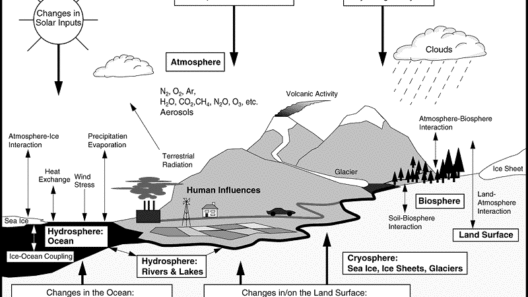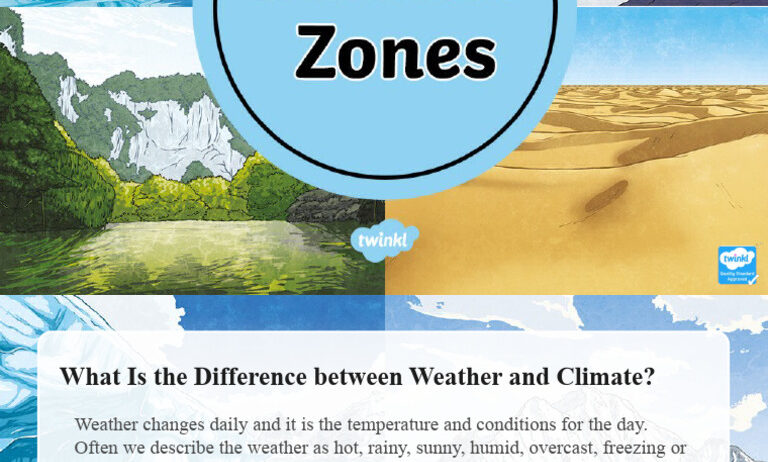

The Earth is like a colossal quilt, painstakingly stitched together from myriad patches of color, texture, and warmth. Each fragment tells a tale of its unique climate and ecosystem. Among these patches, three distinct climate zones emerge as pivotal players in the narrative of our planet’s weather patterns and agricultural phenomena. Understanding these zones is crucial, not merely for academic purposes, but for grasping the intricate web of life that sustains us all. In this exploration, we will delve into the three principal climate zones—tropical, temperate, and polar—unraveling their characteristics, ecosystems, and the profound impact they exert on the global environment.
Tropical Climate Zones: The Lush Verdancy
Picture a painter’s palette, bursting with vibrant greens and vibrant hues—a fitting metaphor for the tropical climate zone. Spanning regions near the equator, this zone experiences consistent warmth and significant precipitation throughout the year. The hallmark of the tropical climate is its dual rainy seasons and the absence of a true winter, creating a nurturing environment for a thriving biodiversity.
The temperature in tropical climates rarely dips below 18 degrees Celsius (64 degrees Fahrenheit), cultivating ideal conditions for lush rainforests and diverse habitats. These jungles are home to an astonishing variety of flora and fauna, ranging from towering trees to intricate insects, all cohabiting in a delicate balance. Ancient trees, like the ceiba, reach toward the heavens, while the understory teems with life—from vibrant orchids to slithering serpents.
Notably, the tropical savannas paint a different picture within the same overarching climate. Here, the juxtaposition of wet and dry seasons creates a mosaic of grasslands punctuated by acacia and baobab trees. The resilience of life in these arid spells is a testament to nature’s ingenuity, echoing the eternal dance of survival and adaptability. The Great Serengeti in East Africa serves as a prime example, showcasing the interplay between flora and fauna as vast herds of wildebeest traverse the plains in search of sustenance.
Temperate Climate Zones: The Seasonal Symphony
Transitioning from the lush vibrancy of the tropics, we arrive at the temperate climate zone—a world that embodies the artistic balance of distinct seasons. Think of it as a symphony, where each season plays a crucial note in the auditory experience of the year. Characterized by moderate temperatures and significant seasonal variations, temperate zones offer a richer tapestry of weather phenomena. The temperature ranges typically oscillate between 0 degrees Celsius (32 degrees Fahrenheit) in winter and can soar above 30 degrees Celsius (86 degrees Fahrenheit) in summer.
Regions within the temperate zone boast diverse ecosystems, from deciduous forests to Mediterranean shrublands. In temperate deciduous forests, the cycle of life unfolds dramatically with the changing seasons. Leaves burst forth in the spring, donning vibrant greens, only to blazon stunning shades of red and gold as autumn approaches. This cyclical metamorphosis reflects not only the beauty of nature but also its fundamental resilience to climatic fluctuations.
As the seasons transition, human activities often interlace with nature’s rhythms. Agriculture flourishes in temperate climates, benefiting from the seasonality that supports varied crop production—an intricately choreographed dance of sowing, growing, and harvesting. Wheat fields ripple under the summer sun, while orchards brim with ripe fruits in the fall, underscoring the mutually beneficial relationship between humans and the temperate ecosystems that nurture our sustenance.
Polar Climate Zones: The Icy Expanse
Finally, we voyage northward and southward to the polar climate zones, where nature dons a stark yet undeniable elegance. Imagine a vast canvas, colored predominantly in whites and blues—a realm dominated by ice and snow. Renowned for their extreme temperatures, polar climates generally maintain an annual average temperature below 10 degrees Celsius (50 degrees Fahrenheit). In such unforgiving environments, summer can feel like a fleeting whisper, while winter envelops the landscape for what seems an eternity.
The polar climate is divided into two main types: the ice cap and the tundra. Ice caps blanket the landmasses, while tundras reveal a resilient ecosystem that showcases nature’s tenacity. Here, the permafrost lays dormant beneath a thin layer of soil, hosting mosses, lichens, and hardy shrubs that thrive in the brief growing season. Wildlife in these regions is particularly adapted to endure the frigid conditions, with creatures like the polar bear and Arctic fox embodying the raw spirit of survival.
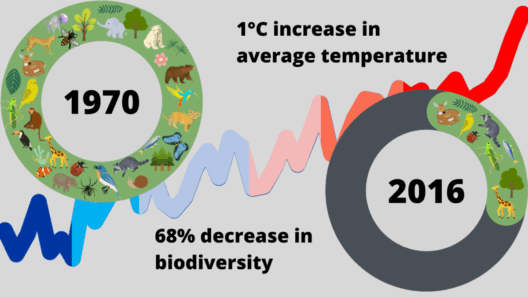
The Greenland ice sheet and Antarctica stand as formidable strongholds of ice, significantly influencing global sea levels and climate patterns. The melting of these ice reserves, largely driven by climate change, paints a dire picture of the future we face. As the polar regions become increasingly vulnerable, their plight serves as a sobering reminder of the ripple effects of our environmental choices, impacting ecosystems and human populations alike across the globe.
In conclusion, understanding the three distinct climate zones—tropical, temperate, and polar—provides us with a lens through which to appreciate the dynamic and interconnected web of life on Earth. Each zone offers a unique narrative, contributing profoundly to our planet’s biodiversity and ecological health. The intricacies of these climates underscore a vital message: our stewardship of these climates is essential for mirroring the balance of nature itself. As stewards of our planet, we must embrace knowledge and action, ensuring the survival of not only our species but the countless life forms that share this magnificent tapestry we call home.