
Across the globe, a quiet cataclysm is unfolding as climate change methodically rearranges the ecological tapestry of our planet. From the majestic Arctic seeking the refuge of ice to the rocky outcrops where pikas make their home, wildlife stands singularly vulnerable at the intersection of rising temperatures and shifting ecosystems. The plight of these creatures serves as a poignant metaphor for the broader implications of a warming world, where every species becomes a frail bellwether of environmental change.
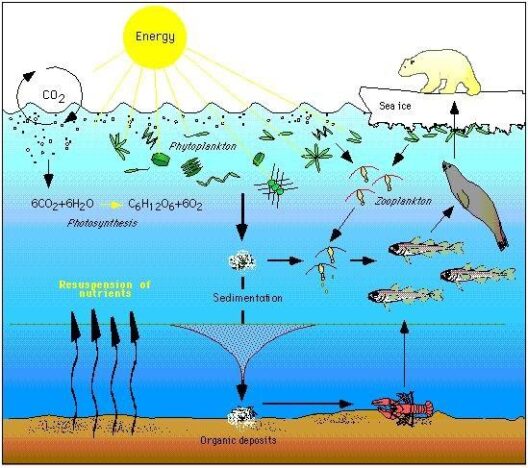
Polar bears, often celebrated as iconic symbols of the Arctic, epitomize the dramatic narratives of climate change. These powerful predators, whose very existence hinges upon sea ice, now find themselves grappling with the relentless march of melting glacial landscapes. As ice diminishes, so too does their hunting ground—leading to increased competition for dwindling food sources and, ultimately, threatening their survival. The stark image of these bears traversing an expanse of open water where ice once thrived evokes a deep sense of loss, mirrors the uncertain futures faced by countless species, and underscored the urgent need for action.
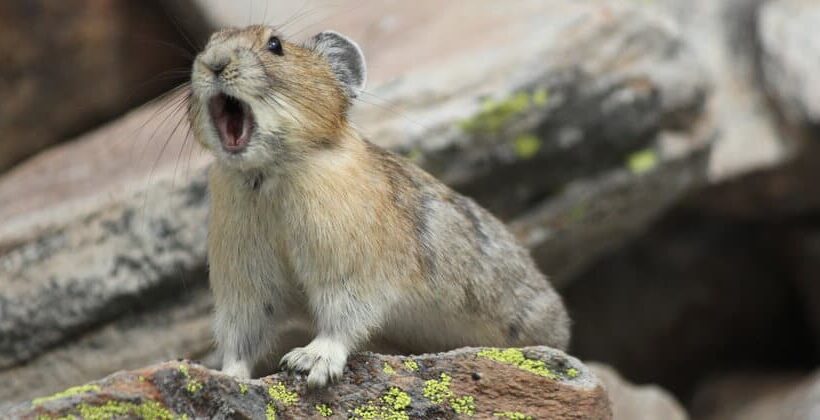
Yet, not all wildlife disrupted by climate change inhabit the polar extremes. Take the American pika, a diminutive mammal that thrives in the cool, mountainous regions of North America. Aptly dubbed the “canary in the coal mine” of climate change, pikas are delicate creatures that demonstrate how even the most unlikely habitats can be affected by global warming. These small herbivores are profoundly sensitive to rising temperatures; as the mercury rises, their refuge in high altitudes becomes increasingly untenable. Pikas require a microclimate that stays cool, and as those conditions erode, so too does their habitat, driving them to higher elevations and tighter confines that cannot support them forever.
The fate of these two species—polar bears and pikas—illustrates a devastating reality: climate change doesn’t discriminate by geography or species. In this unfolding drama, both represent the vast spectrum of life that hangs in precarious balance, echoing the broader themes of adaptation and resilience. Each frigid habitat lost means more than the extinction of a single species; it signifies an erosion of biodiversity, the intricate web of life that supports entire ecosystems.
As we delve deeper into the narratives of these wildlife sentinels, it is crucial to acknowledge that their struggles are not solely abstract concepts. They are visceral realities that exemplify the consequences of human actions. The burning of fossil fuels, widespread deforestation, and increased pollution act as potent catalysts of change, igniting a cascade of environmental shifts unheard of within such a short geological timeframe. It is here, amidst the backdrop of industrial progress, that the juxtaposition between human achievement and ecological fragility becomes most pronounced.
To further comprehend the impact of climate change on wildlife, we must turn our attention to the intricate nuances of adaptation. While some species possess remarkable capacities to adjust to shifting conditions, many others do not. Scientists emphasize that climate change can outpace the ability of various organisms to adapt, leading to an existential crisis among species unable to cope. Not far from the freezing Arctic tundra, coral reefs endure similar plight. The vibrant underwater realms suffer from acidification and rising temperatures, leading to widespread bleaching and destruction—yet another silent witness to the unfolding environmental saga.
But there exists hope amidst this tumult. Initiatives targeting habitat conservation, sustainable practices, and policy reform can serve as vital lifelines for these creatures. The momentum garnered by grassroots movements is noteworthy; it stirs awakening not just in communities but also among policymakers who hold the power to enact meaningful change. The dialogue surrounding climate change is evolving—away from skepticism toward recognition of the immediacy of action needed to safeguard our natural world.
As advocates for wildlife welfare and a sustainable future, we must share the stories of polar bears and pikas with fervor. The tales of their endurance, courage, and resilience resonate broadly—empowering others to understand that protecting their habitats is intrinsically tied to the health of human societies. As metaphorical lodestones, these animals ground our understanding of ecology and climate change, revealing that, in every struggle, there lies potential for transformation.
Wildlife on the frontlines of climate change reminds us of our responsibility toward stewardship. Each act of conservation reverberates beyond the immediate ecosystem; it is a conscious refusal to allow further erosion of our natural heritage. We can pave a pathway towards regenerative practices that acknowledge nature’s intrinsic value, empowering endangered species instead of relegating them to relics of our past. Moreover, this interconnection affords us an opportunity to redefine our relationship with nature, cultivating a sense of stewardship that transcends mere obligation.
In this relentless battle against climate change, the voices of polar bears and pikas must culminate in a clarion call for humanity. We must comprehend that in protecting wildlife, we are ultimately preserving our biosphere. Only through unified action can we hope to navigate the impending climate crisis—thus ensuring that the enchanting tales of connecting wildlife coexist with the resilience of our planet for generations to come.
As the climate crisis unfolds each day, it is imperative we remain vigilant and proactive. Celebrating the peculiarities of wildlife—whether grand and charismatic or small and humble—can galvanize advocacy, urging a collective conscience. The march of climate change need not silence these voices but can amplify them, calling us to action and reconciliation with our natural world.