
Imagine standing at the edge of a vast ocean, each wave a potential future, with climate models serving as your compass. These models are intricate simulations, blending mathematics, physics, and complex data about our planet, all to navigate the uncertain waters of climate change. They help us understand how the Earth’s climate system operates and project what might happen if we continue on our current path. In an era defined by uncertainty, recognizing the utility and reliability of climate models is paramount.
At their core, climate models are sophisticated tools that simulate climate systems. They use mathematical representations of physical processes to imitate the atmosphere, oceans, land surface, and ice. By incorporating various factors—solar radiation, greenhouse gas concentrations, ocean currents—these models provide valuable predictions about how the climate may evolve over time. It’s akin to using a finely-tuned telescope to look deep into the cosmos, revealing not just distant stars but potential trajectories and cataclysms that await our planet.
But how do we know these models are trustworthy? One pivotal approach is validation. Scientists rigorously test models against historical data, examining their accuracy in recreating past climate conditions. Just as a seasoned mariner may recount his journeys with precision, climate models refine their forecasts by learning from past mistakes. Historical validation builds confidence; the more adept a model is at predicting previous climate events, the more faith scientists place in its projections. This process fosters a greater understanding of the complexities involved and emphasizes the models’ adaptation over time.
There are various types of climate models, each crafted for different purposes. Simple models might fill unease with general trends, projecting broad outcomes without delving into specifics. In contrast, more sophisticated, high-resolution models offer detailed insights, sometimes focusing on regional climates. These increase our comprehension of nuanced dynamics, like how urban areas may heat up more rapidly due to the urban heat island effect. Think of these models as the layers of an onion; the more you peel back, the richer the insights that emerge.
One of the most significant advantages of climate models lies in their ability to define scenarios. They can project various future climates based on different levels of greenhouse gas emissions—current trajectories, moderate goals, or aggressive reductions. This is where the metaphorical compass sharpened; by exploring “what if” scenarios, we gain vital narratives about potential outcomes. For instance, a model predicting severe droughts in a region under high-emission scenarios evokes urgency, flipping abstract statistics into tangible futures that can mobilize communities and policy-makers.
One common query is whether these models are worth the trust we lend them. Critics often express skepticism over data accuracy or methodological uncertainties. However, it is essential to recognize the caliber of science behind climate models. Renowned climatologists collaborate globally, sharing methodologies, best practices, and findings. Their work is scrutinized through peer review, ensuring a robust foundation is maintained. Embracing models does not imply blind faith; rather, it encourages informed deliberation and discourse about our climate’s future.
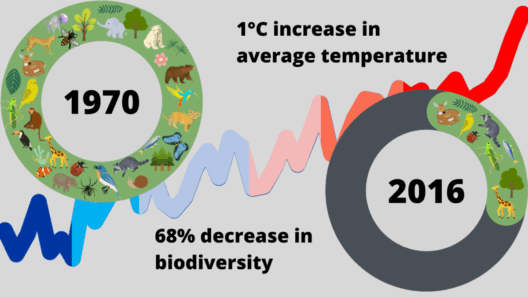
Furthermore, trusting climate models isn’t merely an academic exercise; it’s an ethical imperative. As the planet warms, we face consequences that are increasingly catastrophic: rising sea levels, extreme weather events, and shifting ecosystems. The urgency of the climate crisis necessitates an understanding of how these models inform sustainable policy decisions. This is similar to basing a life-changing decision on research; one would be remiss if analyses were ignored when lives and livelihoods hang in the balance.
Moreover, climate models are continually evolving. Innovations in technology—like artificial intelligence—allow for more precise simulations that incorporate a greater amount of data. Scientists are relentlessly improving algorithms, enhancing resolution, and refining inputs to mirror the complexities of our climate system more accurately. This perpetual evolution mirrors the ideals of adaptability we must embrace in tackling climate change. If the models grow and adapt, should we not also nurture our responses in accordance with the knowledge revealed?
In addition to scientific credibility, there exists a profound societal aspect surrounding the trust in climate models. Communities, activists, and governments use model outputs to gauge the implications of climate policies and actions. Trusting these models fosters a collective understanding of our interconnectedness. The decisions made today will echo through the ages, influencing generations to come. Recognizing the weight of scientific models in policy-making highlights our accountability—not simply to ourselves but to future inhabitants of our planet.
As we look into the horizon defined by climate models, it’s vital to approach them not merely as data points or abstract projections, but as essential instruments for navigating the tumultuous seas of climate change. They guide our actions, shape our policies, and provide a framework for envisioning a sustainable future. The beauty of trusting climate models lies in their convergence of scientific rigor and profound implications for humanity. Society stands at a pivotal crossroads, weighing the merits of knowledge against the inertia of complacency. Armed with climate models, we can steer towards informed choices that prioritize our planet’s health. Trusting them isn’t just a matter of scientific inquiry; it’s a commitment to action for a habitable planet.