
As we navigate through the complexities of 2025, climate scientists around the globe are synthesizing a wealth of data and firsthand observations to provide a comprehensive understanding of the current state of the planet’s health. The scientific community has made significant strides in climate research, resulting in an evolving dialogue about climate change, its effects, and potential solutions. Various types of content have emerged from these discussions, providing different lenses through which the population can comprehend the challenges we face.
The severity of climate change is becoming increasingly evident, as scientists report on unprecedented weather patterns, rising temperatures, and ecological disruptions. One prevalent theme in 2025 is the increasing unpredictability of weather systems. Extreme weather events, such as hurricanes, wildfires, and floods, are more frequent and intense than in previous decades. Research indicates that the confluence of these phenomena can be attributed to anthropogenic climate change, prompting an urgent call to action from the scientific community. The increase in global temperature is no longer a distant prediction; it is a present concern that requires immediate and robust responses.
Moreover, the discourse around climate feedback mechanisms has gained traction. Climate scientists are delving deeper into the feedback loops that exacerbate warming. For instance, the melting polar ice caps are not merely a symptom of climate change; they also contribute to further warming by reducing the Earth’s albedo effect. As ice disappears, darker ocean waters absorb more solar energy, which leads to additional heat retention. This cascade of events underscores the intricate interconnectivity of Earth’s systems.
In terms of anticipated reports and assessments, the Intergovernmental Panel on Climate Change (IPCC) has released pivotal documents summarizing the latest findings. Expect an in-depth examination of greenhouse gas emissions and their sources. Methane emissions, particularly from agricultural practices and fossil fuel extraction, are under intense scrutiny. As scientists highlight the immediate need to mitigate these emissions, proposals for innovative carbon capture technologies and regenerative agricultural methods are leading the way in potential solutions.
Public engagement with climate science has evolved through diverse formats, including podcasts, documentaries, and social media campaigns. These mediums have enabled the scientific community to reach broader audiences, facilitating a more profound understanding of climate issues. Podcasts featuring interviews with climate experts offer listeners real-time insights into ongoing research and activism. Documentaries that chronicle the struggles and triumphs of communities affected by climate change are fostering empathy and encouraging grassroots movements.
Moreover, social media platforms have become a battleground for communication and misinformation regarding climate change. Scientists are increasingly called upon to debunk myths and clarify misinformation. Their online presence aims to foster a more informed public and to encourage proactive engagement with environmental initiatives. The dissemination of climate science through social channels has proven critical in galvanizing a younger audience, many of whom are demanding accountability from policymakers and corporations.
As 2025 progresses, climate scientists are championing the notion of climate justice, emphasizing the disproportionate effects of climate change on marginalized populations. This intersection of social equity and environmental agenda highlights the need for inclusivity in climate policies. Emerging literature, conferences, and symposiums are increasingly addressing how climate actions must prioritize vulnerable communities that often bear the brunt of environmental degradation. These discussions elucidate the moral imperative of safeguarding human rights while addressing global warming.
Scientific modeling techniques have advanced significantly, allowing for better projections of future climate scenarios. By leveraging machine learning and artificial intelligence, researchers can analyze vast datasets to predict the potential repercussions of current trends. These sophisticated models inform policymakers and guide strategic planning, ensuring that nations can develop comprehensive adaptation strategies. Close examination of urban planning and infrastructure resilience is paramount to protecting communities as climate impacts intensify.
Despite the dire messages conveyed by scientists, there exists a persistent thread of optimism in the resilience and adaptability of humanity. Innovations in renewable energy technologies illustrate the potential for a transition away from fossil fuels. Wind and solar energy capacities are expected to continue growing exponentially, providing cleaner alternatives to meet global energy demands. Furthermore, governments and private sectors are increasingly recognizing the economic viability of sustainable practices, which can catalyze significant changes in consumption patterns.
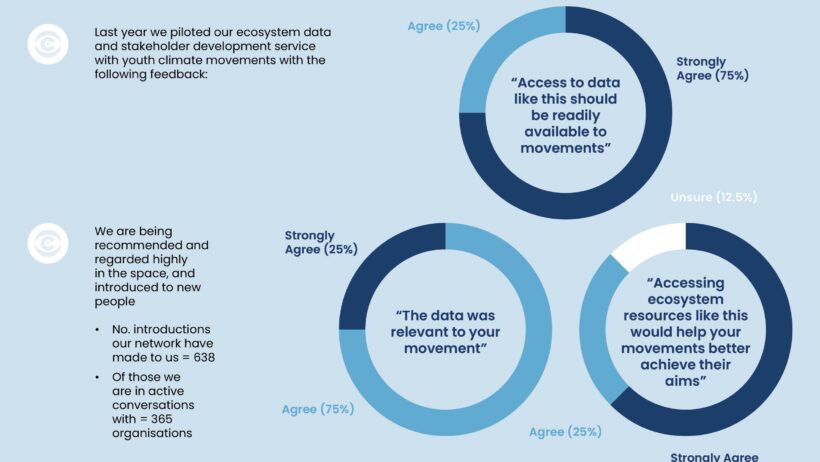
The role of youth in the climate movement has grown increasingly prominent, with young activists leading local and global initiatives. Their advocacy frequently intersects with scientific findings, calling for ambitious climate policies and immediate reductions in carbon emissions. As intergenerational dialogues ignite passion and activism, scientists are compelled to partner with these movements to create meaningful data-driven strategies that amplify the voices of the younger generation.
As we look into the remainder of 2025, climate scientists are articulating a clarion call for immediate action and innovative solutions. The confluence of climate data, community engagement, and technological advancements is shaping a narrative of both crisis and opportunity. By staying informed through various content channels, the global populace can equip itself to not only understand but also combat climate change effectively. A multidisciplinary approach will be essential, integrating insights from various fields to craft holistic and sustainable solutions to the climate crisis we face.
In conclusion, the narrative shaped by climate scientists in 2025 is multifaceted, weaving together urgent warnings, proactive engagement strategies, and a vision for a more sustainable future. As the dialogue continues to evolve, it becomes our collective responsibility to heed these messages and to influence transformative change on both local and global scales.