

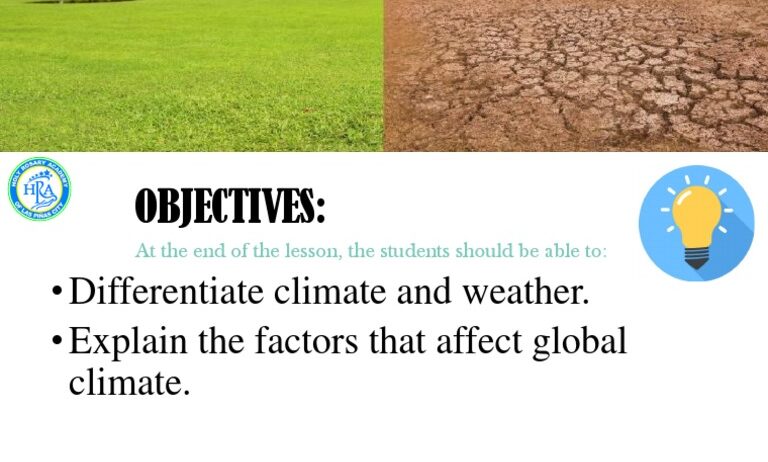

Climate, that intricate tapestry woven from myriad threads of factors, has drawn the attention of scientists, policymakers, and activists alike. Each element influencing climate is interdependent, requiring a comprehensive understanding of how these dynamics interact globally. While many can recognize the obvious implications of climate change, delving deeper reveals a complex interplay of various factors. Here are five key components that shape the climate we inhabit.
The first significant factor is greenhouse gas emissions. From the burning of fossil fuels to deforestation, human activities have resulted in a substantial increase in greenhouse gases, chiefly carbon dioxide (CO2), methane (CH4), and nitrous oxide (N2O). These gases are released through various means, including industrial processes, transportation, and agriculture. Their accumulation in the Earth’s atmosphere creates a ‘blanket’ effect, trapping heat and subsequently leading to a rise in global temperatures. This warming intensifies various weather phenomena, altering rainfall patterns and contributing to more extreme conditions. It prompts a critical reflection on the need for sustainable practices to mitigate human impact on the planet.
The second factor crucial to climate dynamics is solar radiation. The Earth receives energy from the sun, which varies periodically due to solar cycles. Changes in solar output can significantly impact climate by modulating temperatures and influencing wind patterns. Even minimal fluctuations in solar radiation can result in profound shifts in climate over extended periods. For instance, a decrease in solar activity has historically been linked to colder temperatures during certain periods, such as the Little Ice Age. Understanding solar influence enables researchers to distinguish between natural climate variability and anthropogenic changes.
The third determinant is the influence of ocean currents. The world’s oceans act as a central regulator of the global climate system due to their capacity to store and redistribute heat. Ocean currents, such as the Gulf Stream, transport warm water from the equator towards higher latitudes, affecting regional climates. On the contrary, Cold currents, like the California Current, bring cooler temperatures and can engender dryer conditions along coastlines. The phenomenon known as El Niño, characterized by periodic warming of ocean surface temperatures in the central and eastern tropical Pacific, exemplifies how alterations in these currents can lead to significant global climate anomalies. The interdependence of oceanic dynamics with atmospheric conditions epitomizes the need for a holistic approach when addressing climate change.
Fourthly, land use changes play a pivotal role in impacting climate. The alteration of landscapes through urbanization, agriculture, and deforestation alters the Earth’s natural balance, affecting local and global climates. Urban areas, often dubbed ‘heat islands,’ experience elevated temperatures due to concrete and asphalt retaining heat, which alters regional climates. Conversely, deforestation decreases the number of trees that absorb CO2 and can result in decreased rainfall as water vapor is not released into the atmosphere through transpiration. The transformation of natural habitats disrupts existing ecosystems, with the far-reaching consequence of diminished biodiversity, which is crucial for resilient climates.
Finally, atmospheric circulation is a fundamental factor affecting climate. The Earth’s rotation and the uneven distribution of solar energy create wind patterns that contribute to the movement of heat and moisture around the globe. The Coriolis effect modifies wind direction and contributes to the formation of high and low-pressure systems. These systems dictate weather patterns, influencing the distribution of storms and precipitation. Inconsistent atmospheric circulation due to climate change can lead to prolonged droughts in some regions while engendering flooding in others. Understanding these patterns equips scientists with the knowledge to predict future climate conditions and prepare for extreme weather events.
In conclusion, the interplay of greenhouse gas emissions, solar radiation, ocean currents, land use changes, and atmospheric circulation illustrates a web of factors that collectively influence the climate. This intricate relationship highlights the urgency of addressing anthropogenic contributions to climate change while improving our understanding of natural climate drivers. As global temperatures continue to rise, the implications of these factors become more pronounced, leading to a pressing need for innovative policies and practices that prioritize sustainability. Recognizing this complex network is essential in our fight against climate change, laying the groundwork for collaborative action towards a more resilient and equitable future for all inhabitants of our planet.