
Climate change looms like an ominous storm cloud, casting shadows over our planet and threatening the delicate equilibrium of ecosystems that support life. The urgency to act is palpable, as myriad indicators reveal that the time for complacency has long passed. Fostering a sustainable future requires collective action, as the root causes of climate disturbance often interweave across geographical and socio-economic spectrums. Herein lies a compendium of effective strategies to combat climate change, illuminating a path forward, akin to a lighthouse guiding ships through treacherous waters.
1. Transitioning to Renewable Energy
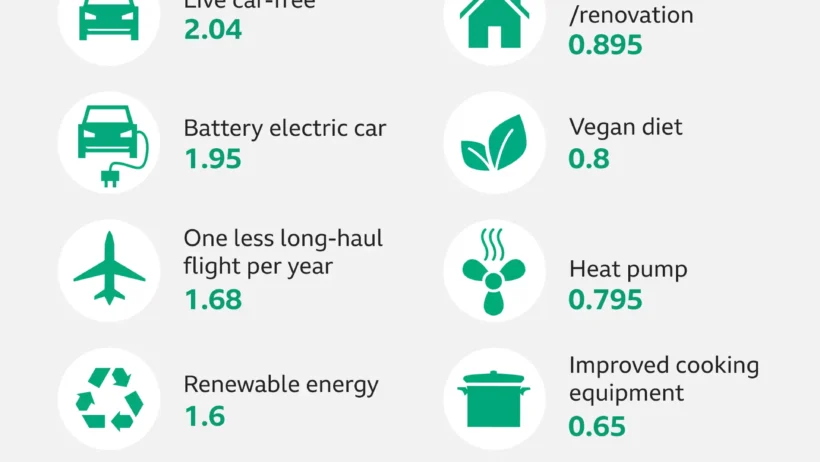
One of the most impactful strategies is the transition from fossil fuels to renewable energy sources. Imagine harnessing the inexhaustible power of the wind or the sun; it’s akin to capturing nature’s bountiful gifts to fuel our civilization. Technologies such as solar panels and wind turbines represent not merely an energy shift but a renaissance in how we conceptualize power generation. By investing in and adopting these technologies, individuals and governments can significantly reduce greenhouse gas emissions, paving the way for a cleaner, more sustainable energy economy.
2. Promoting Energy Efficiency
Energy efficiency stands as the unsung hero in combating climate change, acting like the quiet knight who slays waste. Utilizing LED lighting, high-efficiency appliances, and improved insulation in buildings can radically decrease energy consumption. This does not merely lower utility bills; it is a formidable weapon against the insatiable appetite for energy that drives fossil fuel dependence. Energy-efficient practices resonate with the principle of doing more with less, allowing us to stretch resources further without compromising comfort or productivity.
3. Supporting Sustainable Agriculture
Agriculture is a double-edged sword when it comes to climate change. On one hand, it is a significant source of emissions; on the other, it holds the potential to act as a carbon sink. Embracing sustainable farming practices—like organic farming, permaculture, and agroforestry—can help sequester carbon in the soil. Consider the soil as an intricate tapestry of life; nurturing it allows ecosystems to flourish while promoting biodiversity. Beyond mere yields, sustainable agriculture reimagines food systems, emphasizing local consumption and supporting community resilience.
4. Advancing Transportation Innovations
The transportation sector constitutes a substantial contributor to greenhouse gas emissions, akin to a relentless river eroding a coastline. To alter this trajectory, the adoption of electric vehicles (EVs), public transportation, cycling, and walking must be prioritized. Innovations in EV technology, including advancements in battery capacity and charging infrastructure, are central to this transformation. Moreover, investing in robust public transit systems mitigates the reliance on individual car ownership, fostering an environment that values shared movement over solitary journeys. This shift tackles emissions while promoting healthier lifestyles.
5. Conserving Forests and Promoting Reforestation
Forests serve as the lungs of our planet, absorbing carbon dioxide and releasing life-sustaining oxygen. Their conservation is non-negotiable in our fight against climate change. Protecting existing forests from deforestation and degradation is paramount; this involves engaging in sustainable logging practices and advocating for biodiversity conservation. Simultaneously, large-scale reforestation efforts can restore habitats and combat climate change symbiotically, as trees act as biological sponges absorbing atmospheric carbon. Each tree planted is a step toward rebirth—a testament to nature’s resilience when humanity chooses stewardship over exploitation.
6. Advocating for Policy Change
Structural change at the policy level is necessary to catalyze meaningful action on climate change. Citizens must urge their leaders to enact robust environmental regulations, such as carbon pricing and emissions trading systems. These policies should not merely focus on penalizing pollution but incentivizing green initiatives. Advocacy is empowering, offering individuals a platform from which to shape governmental priorities. Imagine a chorus of voices collectively demanding accountability, transforming climate pledges into tangible commitments that resonate through legislative corridors worldwide.
7. Educating and Raising Awareness
Education is the bedrock upon which the climate movement rests. Awareness campaigns can illuminate the multifaceted aspects of climate change, transforming apathy into action. By fostering an informed populace, individuals are more likely to make sustainable choices in their daily lives. School programs, community initiatives, and digital platforms serve to disseminate facts and foster discourse, creating a society where sustainability becomes a shared societal value. Education is more than imparting knowledge; it invigors a generation to navigate the complexities of climate action with resolve.
8. Embracing Circular Economy Principles
The traditional linear economy—take, make, dispose—facilitates waste and extraction. A paradigm shift towards a circular economy reimagines products and resources as assets for perpetual use. This model champions recycling, upcycling, and sustainable design, striving to keep resources in circulation as long as possible. Think of it as a perpetual dance—materials twirling through various life cycles rather than being tossed aside. By adopting circular principles, society not only minimizes waste but nurtures innovation, driving economic growth while respecting ecological boundaries.
9. Individual Action and Collective Responsibility
While systemic change is crucial, the role of the individual cannot be overstated. Every action, no matter how small, contributes to the collective momentum needed to combat climate change. Lifestyle choices—such as reducing meat consumption, minimizing plastic use, and conserving water—showcase the power of personal responsibility. Picture a mosaic where each small tile represents an individual’s commitment; when combined, they create a vibrant image of resilience and hope. Recognizing that each person carries a piece of the larger puzzle fosters solidarity in purpose and action.
In conclusion, combatting climate change demands a multifaceted approach that embraces innovations, advocates for systemic reform, and nurtures individual stewardship. It calls for a transformative vision, perceiving our planet not as a resource to be exploited but as a shared home to be cherished and protected. The journey ahead is challenging, yet filled with potential and promise. Collective action, enduring commitment, and an unyielding belief in our capability to create change ignite the path towards a sustainable future—one where harmony with nature is not merely an aspiration, but a reality.