


California is a tapestry of diverse climatic conditions, shaped by geography, topography, and proximity to the ocean. The state’s climate is often characterized by three primary elements: sunshine, fog, and fire. Each of these elements plays a crucial role in shaping California’s ecological landscape, its agriculture, and the daily lives of its inhabitants. Understanding California’s climate requires delving into these intricacies, including temperature variations, precipitation patterns, and the impact of climate change.
Firstly, California is renowned for its abundant sunshine. The state boasts an average of over 250 sunny days per year, earning its reputation as the “Golden State.” The sun-drenched climate, particularly in Southern California, fosters a Mediterranean climate characterized by hot, dry summers and mild, wet winters. Cities like Los Angeles and San Diego exemplify this sunny disposition, attracting tourists to their beaches and outdoor attractions. This sunlit atmosphere supports a thriving agricultural industry, enabling crops like avocados, grapes, and strawberries to flourish.
However, this seemingly idyllic climate is not without its complications. The intense sunshine during summer months can lead to elevated temperatures, particularly in the interior valleys and desert regions. Here, temperatures can soar to over 100 degrees Fahrenheit, creating a scorching environment that can be detrimental to both human health and wildlife. Consequently, the heat exacerbates water scarcity, challenging farmers and urban dwellers alike to manage their water resources judiciously.
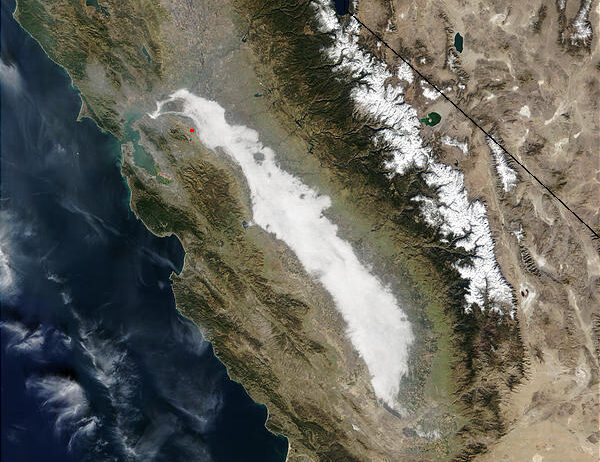
In stark contrast to the brightness of California’s sunshine is the enigmatic phenomenon of coastal fog. Fog serves a vital ecological purpose, particularly along the northern and central coast areas, including the iconic San Francisco Bay. This marine layer forms when cool ocean air meets warm land air, resulting in a thick blanket of mist that envelops the region. It is most prevalent during the summer months, providing a natural air conditioning effect that stabilizes temperatures and maintains humidity levels.
The cool, foggy conditions are integral to the ecosystem. Coastal redwoods and other native plant species rely on this moisture to thrive in what might otherwise be considered a parched environment. Furthermore, fog provides hydration to many urban areas, supplementing water supplies in an often drought-stricken state. Residents and ecologists alike recognize fog as an unsung hero in California’s climate narrative, enhancing the biodiversity of the region and offering relief from the relentless sun.
Yet, the interplay between fog and sunshine is complex. Climate change poses a critical risk to this delicate balance. Predictions indicate that coastal fog may become less frequent and less dense due to rising ocean temperatures and increasing air temperatures. This shift could disrupt the natural process of moisture absorption in local ecosystems, jeopardizing various plant and animal species that have adapted to these unique climatic conditions.
Now let us address another significant aspect of California—a climate categorized by fire. The frequent occurrences of wildfires are integral to California’s climatic narrative, driven by a combination of environmental conditions. The state’s diverse topography, from chaparral-covered hills to forested mountains, provides the perfect fuel for wildfires, especially during the hot summer months.
The interplay of sunshine and drought creates a significant fire hazard. Prolonged periods of little rainfall and intense heat contribute to dry conditions, exacerbating the likelihood of wildfires. These events have grown in frequency and intensity over the past few decades, with climate change playing a pivotal role in escalating this peril. Fire seasons are becoming longer and more destructive, claiming lives, homes, and natural habitats.
Yet, fire is not entirely detrimental; it can serve as a natural ecological process. Certain ecosystems, particularly those dominated by pine forests, depend on periodic wildfires for regeneration. These fires clear out dead underbrush and allow sunlight to penetrate the forest floor, promoting new growth. However, the current scale and intensity of California’s wildfires challenge this natural cycle, becoming catastrophic and overwhelming both the land and communities.
The complexities of California’s climate—its sunshine, fog, and fire—illustrate the interconnectedness of natural systems and the vulnerabilities inflicted by modern practices. Agricultural methods, urban development, and water management are all affected by the state’s climatic patterns. As climate change accelerates, it is crucial to reconsider land-use planning while promoting sustainable practices that conserve resources and protect the environment.
The state stands at a crossroads. A concerted effort toward climate resilience and adaptation is essential. The interplay of sunshine, fog, and fire will undoubtedly continue to shape California’s future. Emphasizing ecological awareness and sustainable practices can help mitigate the impacts of a changing climate, preserving California’s rich natural heritage for generations to come.
In conclusion, California’s climate is not merely a backdrop for its picturesque landscapes; it is a dynamic system defined by sunshine, fog, and fire. Each element contributes to the state’s ecological and economic tapestry in distinct ways. Acknowledging these dynamics fosters a deeper understanding of environmental challenges and the necessary steps to address them in the face of climate change. The preservation of California’s unique climate systems is vital, not just for the region but for the global ecosystem as a whole.