
Seattle, a bustling metropolis nestled between Puget Sound and the majestic Cascade Mountains, is often characterized by its verdant landscapes and serene ambiance. The city is not only a hub for technology and innovation but also an essential microcosm of climate patterns influenced by its unique geography. Climate classification is a fascinating lens through which to examine the phenomena we often take for granted. The question arises: What climate zone is Seattle, and how does it contribute to the city’s renowned rain greenery and mild temperatures?
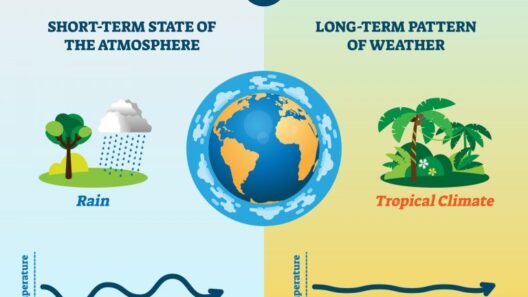
Seattle falls under the Köppen climate classification system, specifically designated as a temperate maritime climate, also known as an oceanic climate (Cfb). This classification highlights the unique interplay between the Pacific Ocean and the city’s topography. The significant ocean influence regulates temperatures, ensuring that they remain relatively mild throughout the year. Summers are often characterized by warm days, while winters are conspicuously cool and damp, with temperatures rarely dipping below freezing.
The city’s maritime climate leads to a distinctive seasonal pattern, with an average annual precipitation of approximately 37 inches. Rainfall is abundant, particularly from October to May; during these months, the cool winds from the ocean precipitate a substantial amount of moisture. A common observation is that Seattle is frequently cloaked in a shroud of mist or drizzle, lending to its reputation as the “Emerald City.” This moniker encapsulates the vibrant greenery that flourishes in response to the copious rainfall. However, beneath this commonplace perception lies a deeper narrative tied to geographical and ecological principles.
The lushness of Seattle’s landscape is intricately woven into the city’s identity. The confluence of its climate and topography ensures that various species of flora thrive. This biodiversity ranges from majestic Douglas firs to delicate ferns that adorn the undergrowth. The forested areas, such as the iconic Washington Park Arboretum and the expansive woodland trails of Discovery Park, showcase the interplay between human habitation and natural ecosystems. Such greenery is not merely aesthetically pleasing; it serves as a critical component in combating urban heat islands and improving air quality.
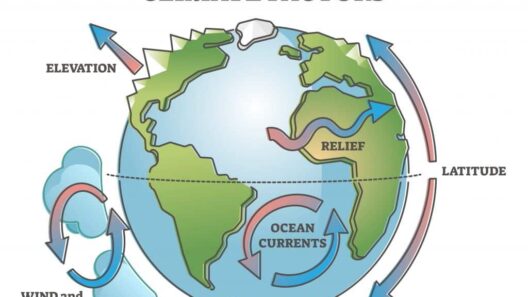
While many visitors revel in Seattle’s cool, temperate climate, it is essential to understand that the nuances of its weather can be attributed to several factors. The proximity of the Pacific Ocean plays a significant role; the ocean acts as a thermal reservoir, absorbing heat in the summer and releasing it during the cooler months. This phenomenon mitigates extreme temperature fluctuations that other regions experience. As a result, Seattle enjoys relatively mild summer temperatures, often hovering around the mid-70s Fahrenheit, making it an attractive location for outdoor pursuits. Conversely, winters are characterized by cool, chilly rains, averaging in the low 40s Fahrenheit.
Another noteworthy element influencing Seattle’s climate is the orographic lift caused by the neighboring mountain ranges. The Olympic Mountains to the west and the Cascades to the east create a distinct rain shadow effect. As moist air is lifted over the mountains, it cools, condensing and forming precipitation on the windward side. The leeward side, however, experiences significantly drier conditions. This meteorological phenomenon results in a stark contrast between the lush forests of the western slopes and the arid regions to the east, such as the Columbia Basin.
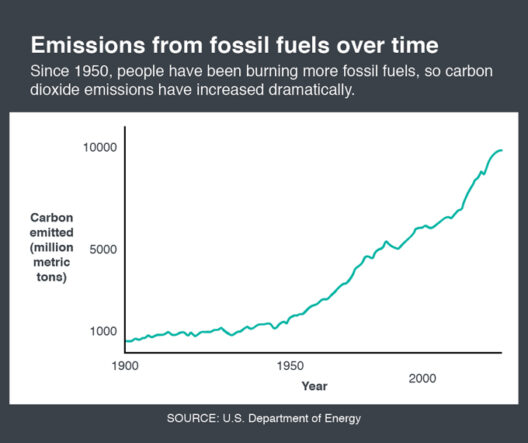
Climate change is an undeniable force reshaping global weather patterns, and Seattle is no exception. Studies have indicated a trend towards warmer winters and increased frequency of extreme rainfall events. This shift poses potential challenges for Seattle’s ecosystem as well as its urban infrastructure. Prolonged periods of heavy rainfall can exacerbate flooding, erosion, and landslides, while an increase in summer temperatures may strain water resources during drought conditions. The very factors that contribute to Seattle’s climate identity—the proximity to the ocean, its mountainous terrain, and the resulting biodiversity—are interwoven with the pressing realities of climate change.
Urban planning and environmental stewardship will play pivotal roles in addressing these challenges. The importance of fostering sustainable infrastructure that accommodates the natural environment cannot be overstated. Initiatives such as green roofs, permeable pavement, and increased urban forestry can mitigate some of the adverse impacts of climate change. As a city renowned for its tech-savvy populace, Seattle has the opportunity to lead the way in sustainable practices while remaining deeply interconnected with its surrounding ecosystems.
In conclusion, the climate zone of Seattle, classified as a temperate maritime climate, imbues the city with its signature rain greenery and mild temperatures. The confluence of oceanic influences and topographical features creates a unique environment that fosters biodiversity and shapes urban experiences. As climate change emerges as an existential threat, it is imperative to recognize the intricate relationship between climate and sustainability. By embracing and protecting this balance, Seattle can safeguard its environmental heritage for generations to come. The fascination with Seattle is not merely about the precipitation but rather a celebration of resilience, adaptation, and the enduring harmony between nature and city life.