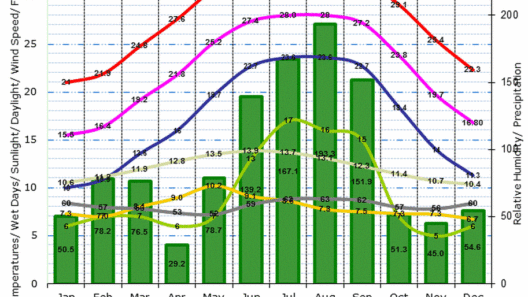

Massachusetts, a state steeped in history and cultural significance, offers a unique climatic narrative that paints a picture of environmental diversity. What climate zone is Massachusetts, and how does its geographic diversity influence weather patterns? Understanding its climate zone is crucial for several reasons, including agricultural planning, energy consumption, and preparing for the effects of climate change.
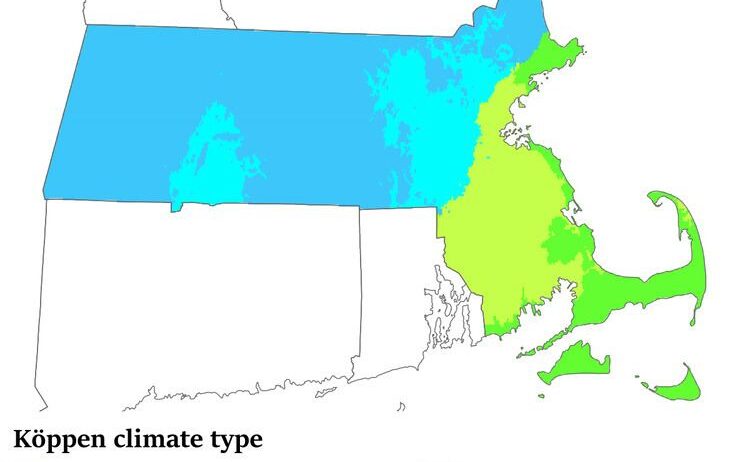
The state lies primarily in the humid continental climate zone, characterized by four distinct seasons. This classification is important to note, as it evokes the picturesque changing of foliage in the fall and the often harsh winters. Within Massachusetts, one can observe a significant gradient of climate variations, from the coastal regions to the central and western highland areas.
In the Southeastern region, including cities like Boston, the climate transitions closer to a humid subtropical climate, leading to milder winters and hotter summers. Conversely, as one moves towards the western Massachusetts hills, the climate can resemble that of a humid continental zone, exhibiting colder winters and a shorter growing season. This geographical dichotomy provokes an inquiry: How do these climatic nuances affect local ecosystems and agriculture?
Let’s first delve into the core attributes of the humid continental climate prevalent in the northern regions. This climate zone is characterized by warm to hot summers and cold, snowy winters. Such conditions foster diverse agricultural activities, wherein farmers cultivate apples, cranberries, and other crops that thrive in these seasonal fluctuations. Hence, a playful challenge arises—imagine planning your vegetable garden in a season that could swing dramatically between hot and cold. How do you prepare for the wide variations in temperature and precipitation?
A significant aspect of the humid continental climate is its precipitation, which is distributed fairly evenly throughout the year. Snowfall can be substantial in winter months, impacting transportation and infrastructure. Therefore, it is crucial to acknowledge how increased precipitation and extreme weather events related to climate change are altering these established patterns. Massachusetts has witnessed changes such as increased rainfall intensity and more frequent winter storms, prompting local governments to consider adaptation and resilience strategies.
One should also consider the effects of proximity to the Atlantic Ocean. Coastal regions, including Cape Cod, experience a moderating influence that creates milder temperatures compared to the more inland areas. Sea breezes keep the summer heat at bay, while the ocean’s thermal properties can ameliorate winter chill. However, this coastal buffer is increasingly threatened by rising sea levels and extreme weather events, illustrating the urgent need for comprehensive climate action.
Transitioning from maritime influences to terrestrial landscapes, let’s explore how varying elevations impact temperature and precipitation patterns. The Berkshire Mountains, located in western Massachusetts, experience higher elevations and, as such, colder climatic conditions. This region is subject to a more pronounced winter, and the snowfall can exceed that of lower elevations. Interestingly, this offers unique opportunities for winter sports, but it also poses significant challenges, particularly for wildlife adapted to specific temperature ranges.
Wildlife adaption is just one facet of the broader ecological implications linked to Massachusetts’ climate zones. Changes in temperature and precipitation impact the migration patterns of various species and the overall health of ecosystems. Invasive species may find new niches as climate conditions shift, threatening native flora and fauna. Thus, the impact of even minor climatic changes can be profound, prompting scientists and conservationists alike to monitor the ongoing transformation of Massachusetts’ natural habitats.
Another noteworthy factor in understanding Massachusetts’ climate zone is the historical context. Traditionally, the area has witnessed fluctuations in climate that coincide with larger global trends, such as the Little Ice Age. These historical patterns highlight that while current climatic shifts may appear unprecedented, Massachusetts has a rich history of climate-related challenges. This insight prompts further inquiry: Are we adequately prepared for the future, given the historical context of climate variability?
Moreover, urbanization in cities like Boston has led to the phenomenon known as the “urban heat island effect,” whereby built environments experience significantly higher temperatures than surrounding rural areas. Such microclimatic conditions result from human activities and necessitate targeted interventions to mitigate heat, such as increasing green spaces and improving infrastructure resilience. Similarly, urban planning must adapt to these climatic realities to ensure sustainability and livability in a rapidly changing climate.
As Massachusetts continues to navigate its climatic challenges, engaging the public in conversations about climate awareness and action becomes increasingly vital. What roles do individuals play in mitigating climate change? From reducing energy consumption to supporting local agriculture and advocating for environmental policies, the responsibilities are manifold. A collective response is essential to curb the adverse effects on the ecosystem and maintain the delicate balance of the climate zone.
In conclusion, the intricate climate zones of Massachusetts present opportunities and challenges that require a multifaceted approach. Understanding these climatic nuances can foster proactive strategies to address potential adversities brought about by climate change. So, the next time you contemplate your surroundings, remember: every storm cloud has a silver lining, and every climate zone tells a story worth telling. How will you contribute to the ongoing narrative of climate resilience in Massachusetts?