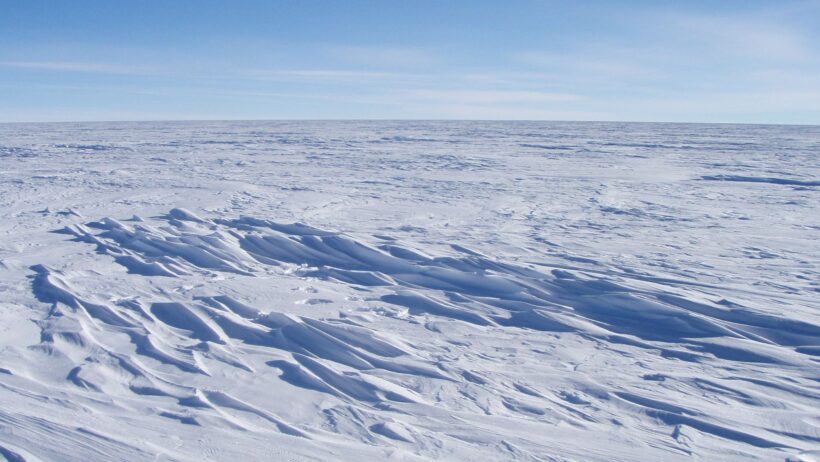

Antarctica, often dubbed the coldest place on Earth, captivates with its extreme climate and unparalleled landscapes. Beneath its frigid exterior lies an ecosystem that plays a crucial role in the global climate system. Understanding the climate of Antarctica requires a dive into its unique meteorological phenomena, its geographical features, and the implications of climate change affecting this remote continent.
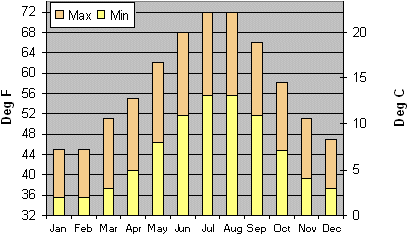
The Antarctic climate is characterized by relentless cold and aridity. The continent is essentially a massive ice sheet, which harbors about 60% of the world’s fresh water. Its average temperature can plummet well below -20 degrees Celsius in the interior, while coastal areas experience milder conditions, albeit still frigid compared to other continents. The coastal temperature range varies significantly, creating a stark contrast to the warmer oceanic influences just beyond the icy shores.
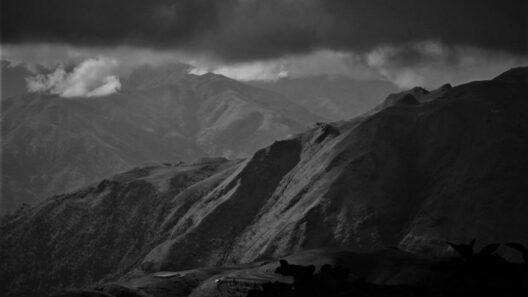
Geographically, Antarctica consists of two primary regions: East Antarctica, which is predominantly a high landmass, and West Antarctica, marked by a series of islands and a more complex topography. The East is home to the Antarctic Plateau, where some of the coldest recorded temperatures on Earth have been documented. The topography adds a diverse climatic backdrop, with variations in precipitation and temperature arising not just from latitude but also from extensive elevation changes.
The cold climate conditions of Antarctica are driven by several pivotal factors. The continent is situated at the South Pole, receiving less solar radiation than other regions of the Earth. This low angle of sunlight penetrates the atmosphere for shorter durations, limiting the heat that can be absorbed. Coupled with the vast expanses of ice, which reflect sunlight—a phenomenon known as albedo—Antarctica remains in a perpetual state of frigidness. Winds known as katabatic winds sweep down from the high ice sheets, contributing to the extreme chill felt across the continent.
Interestingly, the precipitation patterns in Antarctica are not what one would expect in such a cold environment. While it may seem paradoxical, most of the continent is classified as a desert due to its low annual snowfall. The coastal regions receive more precipitation, primarily in the form of snow, which serves to replenish some of the ice loss through sublimation and melt. Despite these dynamics, the overall balance is tipped heavily towards ice accumulation rather than loss.
Exploring the unique flora and fauna of Antarctica reveals resilient adaptations that withstand the harsh climate. The Antarctic environment is home to a limited number of species, including various seabirds, seals, and krill. These organisms exhibit remarkable adaptations, such as antifreeze proteins that prevent their bodily fluids from freezing. The intricate food web here is heavily reliant on these adaptations, showcasing nature’s tenacity in the face of adverse conditions.
Climate change poses an ominous threat to this fragile, icy haven. Global warming is inducing a rapid transformation of Antarctic landscapes. The temperature has risen at a rate more significant than the global average, with some areas experiencing increases of over 2 degrees Celsius. This uptick in temperature has resulted in the accelerated melting of ice sheets and glaciers, raising concerns about rising sea levels and the broader impacts on global ocean currents and weather patterns.
The loss of ice in Antarctica is a phenomenon with cascading effects. As the ice diminishes, the albedo effect weakens, leading to more heat absorption by the oceans, which in turn exacerbates warming. This cycle creates a feedback loop that threatens not only local ecosystems but also global climate stability. The melting ice contributes to rising sea levels, posing risks to coastal communities worldwide, affecting millions of people who live along these vulnerable shorelines.
Moreover, the implications of ice loss extend beyond physical changes. It can disrupt natural habitats, lead to species extinction, and decrease biodiversity, prompting changes in the food web. The impacts on marine life are particularly concerning, as changing ice conditions affect breeding patterns of seals and the availability of krill, the linchpin species for numerous predators.
In addition to its ecological outline, Antarctica holds crucial clues about past climate changes in its ice cores, which preserve data spanning hundreds of thousands of years. Researchers analyze these cores to understand historical greenhouse gas concentrations and temperature variations, providing insights into future trajectories under current climate scenarios. This information is invaluable for climate models, offering a window into the Earth’s climatic past as well as a warning about the possible futures that await.
One cannot overlook the importance of international collaboration in preserving Antarctica for evolutionary purposes. The Antarctic Treaty System establishes regulations that prioritize scientific research and environmental protection over exploitation. This unique arrangement serves as a testament to what can be achieved when nations come together for a common goal—the preservation of a natural resource that is vital not only for its ecological significance but also as a barometer for assessing global climatic shifts.
In sum, the Antarctic climate represents a paradox—a picturesque expanse of ice and snow, yet a critical indicator of planetary health. As the coldest place on Earth, it presents both challenges and opportunities for understanding climate dynamics. By fostering curiosity about this remote region, we can ignite a collective commitment to climate stewardship. The story of Antarctica is not just one of ice; it is a potent reminder of our interconnectedness and the urgent need to address climate change before it reaches a tipping point that may redefine our existence on this planet.