
The Amazon Rainforest, often dubbed “Earth’s lungs,” plays an essential role in maintaining the planet’s climate stability. Its vast canopy and rich biodiversity not only support an intricate ecosystem but also influence weather patterns far beyond its borders. Understanding the climate of this remarkable biome provides insights into why its preservation is paramount for global climate health.
To appreciate the climate of the Amazon Rainforest, one must first recognize its geographical expanse, which encompasses parts of several countries including Brazil, Peru, Colombia, and Venezuela. This extensive area yields a climate characterized predominantly by high humidity, substantial precipitation, and consistently warm temperatures throughout the year.
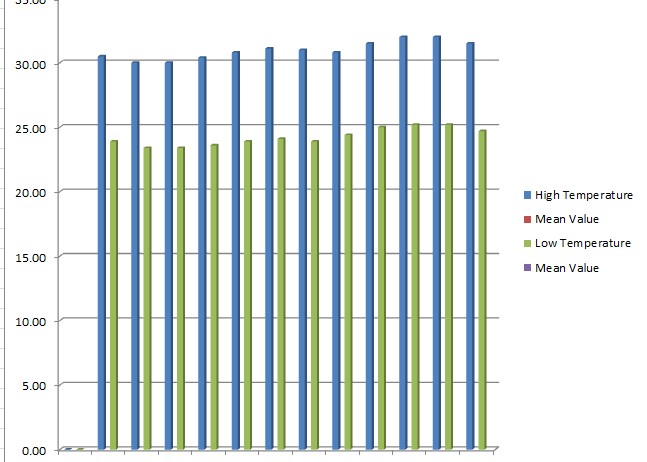
The Amazon exhibits a predominantly tropical rainforest climate. Average temperatures hover between 20°C to 25°C (68°F to 77°F), sparking an environment that sustains a myriad of plant and animal species. The rainfall is a defining characteristic; it varies significantly across regions but generally exceeds 2,000 millimeters (approximately 79 inches) annually. This precipitation is vital, fueling the forest’s thriving ecosystem and releasing significant quantities of moisture back into the atmosphere through a process known as transpiration.
One of the compelling climatic phenomena observed in this region is its seasonal variation. While the Amazon does not experience the four distinct seasons found in temperate regions, it does have a wet and dry season. The wet season typically spans from December to May, during which torrential rains replenish the waterways and saturate the fertile soil. Conversely, the dry season, from June to November, experiences slightly lower precipitation, yet it rarely leads to arid conditions. This unique climatic balance fosters a lush habitat, teeming with life.
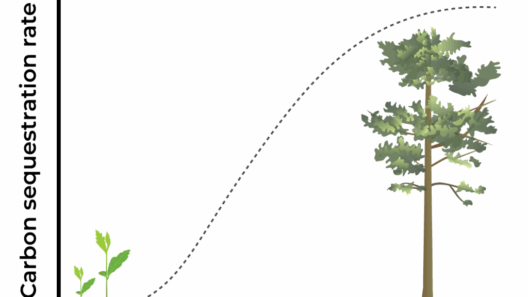
The intricate relationship between the climate of the Amazon and global weather patterns cannot be understated. The rainforest acts as a significant carbon sink, absorbing vast amounts of CO2 and helping to mitigate the effects of climate change. It sequesters carbon through photosynthesis, thereby reducing greenhouse gases in the atmosphere. This function is particularly crucial in a time when climate change is reaching alarming levels globally.
Moreover, the climate of the Amazon has profound implications for regional and global weather systems. The vast amount of water vapor released into the atmosphere through the forest’s transpiration plays an integral role in cloud formation and rainfall patterns. Studies suggest that the Amazon influences precipitation in regions as far away as North America and Europe. The interconnectivity of these climatic systems emphasizes the significance of maintaining the health and integrity of the Amazon rainforest.
Regrettably, the climate of the Amazon Rainforest is under threat, primarily due to deforestation, agriculture, and climate change itself. As trees are felled to make way for agriculture or urban development, the delicate balance of the ecosystem is disrupted. Tree loss not only contributes to increased carbon emissions but also diminishes the forest’s ability to produce rainfall. This has cascading effects, leading to droughts and altering natural weather patterns—which in turn jeopardizes the biodiversity that resides within these ecosystems.
The phenomenon of climate change further exacerbates these issues. Rising temperatures and shifting rainfall patterns have led to an increase in forest fires, especially during the dry season. These fires contribute to air pollution and adversely affect neighboring regions’ air quality. The delicate relationship between the rainforest and its macroclimate is becoming increasingly strained, posing risks to the world’s long-term ecological stability.
The importance of protecting the Amazon rainforest extends beyond ecological concerns; it also encapsulates cultural and economic dimensions. The communities that have coexisted with the forest for generations depend on its resources for sustenance and cultural practices. The erosion of this environment not only threatens biodiversity but also endangers the traditional knowledge and lifestyles of indigenous populations.
Preserving the Amazon Rainforest is thus a multifaceted struggle that intersects environmental conservation, climate action, and social justice. It is imperative to advocate for sustainable practices that prioritize reforestation, responsible land use, and the rights of indigenous communities. Global collaboration is crucial, as the preservation of the Amazon has ripple effects on climatic conditions beyond its borders and into international territories.
In conclusion, the climate of the Amazon Rainforest is a complex tapestry woven from unique temperature trends, seasonal rainfall patterns, and the intricate interactions between flora, fauna, and atmospheric conditions. This synergy not only supports a vast array of life but also plays a critical role in moderating the Earth’s climate. The ongoing threats to this vital ecosystem highlight the urgency of addressing climate change and implementing protective measures to ensure that the Amazon continues to function as a crucial component of our planet’s environmental health.
Understanding the climate of the Amazon is not merely an academic endeavor; it is a call to action for individuals, communities, and global leaders alike. The health of this rainforest directly correlates with the well-being of our world. It is time to collectively harness this understanding and mobilize efforts to protect not just a forest, but the very breath of the Earth.