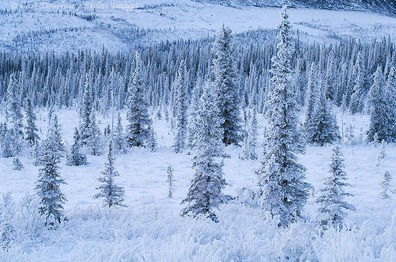

The taiga, also known as boreal forest, is a vast expanse characterized by its coniferous forests, sprawling across the northern parts of Europe, Asia, and North America. This biome is second only to the tundra in its ecological significance and is renowned for its unique climate. When contemplating the climate of the taiga, one conjures images of snowy pine trees cloaked in frosty landscapes, each element telling a tale about nature’s resilience and vulnerability. Understanding this climate is not merely an academic exercise; it holds profound implications for global environmental discussions.
The climate of the taiga is predominantly classified as subarctic. This classification reveals a stark contrast in temperature between seasons, with long, harsh winters and short, moderately warm summers. The average temperature in winter often plunges to -30°C (-22°F) or lower, while summer temperatures can ascend to a mild 15°C to 20°C (59°F to 68°F). Such dramatic fluctuations are vital in determining the types of flora and fauna that can endure these extremes, contributing to the ecological diversity that characterizes the taiga.
One of the most captivating aspects of the taiga climate is its significant snowfall during the winter months. Snow can blanket the forest for several months, creating an insulating layer for the ground below. This snow cover not only serves to protect the delicate roots of the plants but also acts as a reservoir for meltwater during the spring thaw. The gradual melting of the snow aligns with the awakening of the forest, rejuvenating life after a long dormancy.
These snowy conditions foster a unique ecosystem driven by survival adaptations. Species of trees such as spruce, fir, and pine have formed a symbiotic relationship with the cold climate. Their conical shapes prevent heavy snow accumulation on branches, reducing the risk of breakage and allowing them to thrive in the frigid environment. This adaptation is nothing short of a marvel, showcasing nature’s ingenuity in the face of adversity.
Alongside the snowy pines, one may encounter an intriguing variety of wildlife. The taiga is home to species such as the Sable, Lynx, and various mammals like reindeer and moose, all of which have evolved to navigate the biting cold. These animals have thick fur coats and other adaptations to sequester warmth, allowing them to thrive in an environment that might seem inhospitable to others. Upon venturing deeper into the taiga, one might spot the rare Siberian tiger, a brilliant embodiment of strength and resilience within this formidable climate.
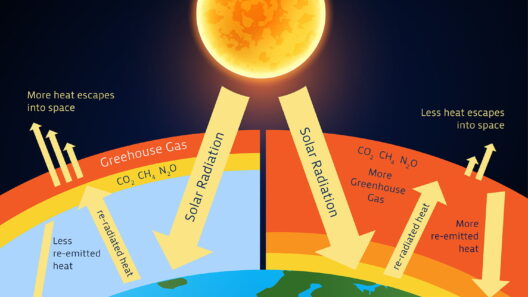
The taiga also plays a critical role in global ecology, acting as a significant carbon sink. The dense forests capture carbon dioxide during photosynthesis, subsequently affecting global climate patterns. Yet, this function can be compromised by the escalating impacts of climate change, as rising temperatures and altered precipitation patterns threaten the delicate balance. The warming climate leads to a myriad of consequences including forest dieback, increased incidence of wildfires, and pest outbreaks, all of which could diminish the ecological integrity of the taiga.
Notably, the taiga’s climate is influenced by various larger climatic systems. The Polar Front, which separates cold polar air from warmer air masses, plays a significant role in shaping the weather conditions in this biome. During winter, the polar air mass governs the subarctic cold, while the shifting of these air masses in summer can lead to warmer weather, illustrating the profound interconnectedness of global weather systems. This interaction between different air masses highlights a crucial point: the climate of the taiga is not isolated, but rather intricately linked to broader atmospheric dynamics that impact weather across the globe.
Furthermore, climate change poses an existential threat to the taiga. Among the escalating threats are rising average temperatures and alterations in precipitation patterns, which can result in drier climates that exacerbate conditions for wildfires. Such fires can unleash enormous quantities of carbon dioxide, further contributing to global warming. The intricate web linking climate, wildlife, and the biosphere suggests that the fate of the taiga may be a microcosm of the broader challenges facing our planet.
The fascination with the taiga’s climate extends beyond mere observation; it beckons deeper inquiry and reflection. It invites questions about conservation, ecological integrity, and the legacy we leave for future generations. This delicate biome embodies the beauty of nature’s resilience, yet also serves as a harrowing reminder of the potential consequences of human activity on our planet. In contemplating this dynamic ecosystem, one ponders the pivotal role of stewardship in preserving the intricate balance of nature. The story of the taiga is not merely one of snowy pines and Siberian chills; it is a narrative of interconnectedness, continuity, and the enduring quest for harmony between humanity and the natural world.
In conclusion, the climate of the taiga is an amalgamation of fascinating extremes and delicate balances. As the world grapples with unprecedented climate challenges, understanding the intricacies of this unique biome becomes increasingly essential. The tale of the taiga goes beyond its beautiful imagery; it invites all to consider the broader implications of climate change and the urgent need for concerted environmental action. Preserving such an extraordinary landscape is not just an ecological necessity; it is a moral imperative for the generations to come.