
Grasslands, often described as vast, breezy plains, embody a captivating ecosystem that straddles the line between prairie and savanna. These sprawling regions, characterized by their distinctive flora and fauna, present a climate that is equally unique. But what exactly is the climate in a grassland? How do seasonal variations and the geographical nuances shape the life forms that thrive in these areas? This inquiry beckons us to explore the climatic intricacies of grasslands and consider a challenge: how can we maintain their delicate balance in the face of climate change?
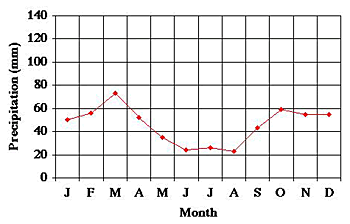
The climate of grasslands is defined primarily by two features: precipitation and temperature. These elements, while seemingly straightforward, contribute to a complex tapestry of ecological interactions. In general, grasslands are situated in regions that receive moderately low annual precipitation, typically ranging from 10 to 30 inches per year. This amount, while adequate for sustaining grasses, is not sufficient to support large trees, leading to the dominance of herbaceous plants.
One of the pivotal characteristics of grassland climates is their seasonal nature, encouraging a predictability that is vital for the species that call these ecosystems home. During the warmer months, temperatures can soar, often exceeding 100 degrees Fahrenheit. Conversely, winters can be frigid, dipping below freezing in many regions. This thermal variability not only influences the types of vegetation that flourish but also determines the migration patterns of fauna and the rhythm of life in these areas.
The summer months, marked by ample sunshine, serve as a critical growth phase. Grasses, which have adapted to these conditions, enter a period of vigorous growth, facilitated by the longer daylight hours. The increased temperatures release moisture from the soil, creating a certain level of humidity which, paradoxically, may lead to dry spells. During this time, thunderstorms are prevalent, bringing occasional but intense rains that quench the thirst of the parched land. The challenge lies in the sporadic nature of these storms; when they arrive, they often bring with them the risk of flooding, yet during prolonged dry spells, the grassland can quickly transition into a drought state.
Conversely, winter is marked by dormancy. Many grass species enter a state of hibernation, conserving energy until the warmth returns. The cold, however, also serves an ecological purpose—fire plays a critical role in maintaining grassland health. Fire regimes, both natural and anthropogenic, help to rejuvenate the ecosystem by clearing out dead grass and allowing fresh growth to emerge. This symbiotic relationship between climate, fire, and the flora demonstrates nature’s intricate balance.
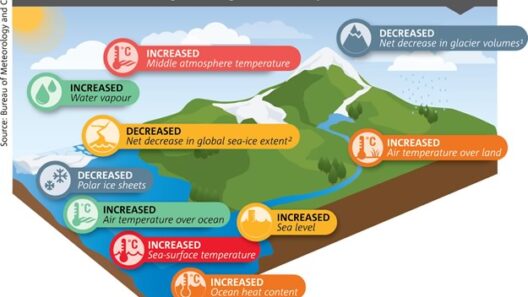
A playful question emerges: can grasslands be considered resilient in the face of climate variability? This notion of resilience is fundamental. As weather patterns grow more erratic due to the impacts of climate change, grasslands face numerous challenges. Increased temperatures can result in intensified droughts, while unpredictable rainfall can lead to flooding. The delicate equilibrium that sustains the biodiversity of these ecosystems hangs in the balance.
To further dissect the climate in grasslands, it is essential to consider the nuances of the geographic context. Grasslands are typically located in the interiors of continents, far from the moderating influences of oceans. This placement results in more extreme temperatures, both hot and cold, further intensifying the precipitation patterns. The continental climate promotes the development of specific ecosystems, where certain species can thrive while others perish.
The interaction between climate and the biotic components of grasslands gives rise to a distinctive community of grassland flora, which includes a variety of grasses, wildflowers, and scattered shrubs. The biodiversity found in these ecosystems plays a crucial role in supporting various animal species, including grazing mammals and a plethora of insect life. The grasses, with their deep root systems, not only endure drought conditions but also help stabilize the soil, preventing erosion.
In addition, the climatic conditions in grasslands foster the proliferation of certain evolutionary adaptations. For instance, many grass species have developed deep root systems that allow them to access moisture several feet below the surface, showcasing an extraordinary resilience against drought. Furthermore, some species possess the ability to quickly regenerate after disturbances, such as grazing or fire, ensuring their survival in fluctuating conditions.
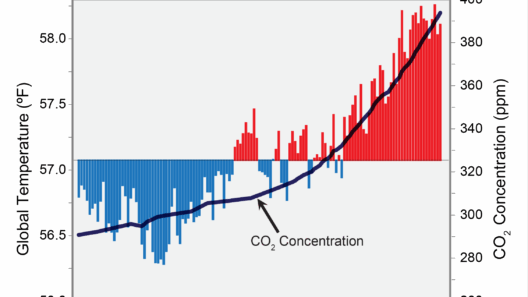
The role of grasslands within the global ecosystem cannot be overstated. They act as carbon sinks, sequestering CO2 and playing a significant role in mitigating climate change. However, as these regions face increased pressure from agricultural expansion and urban development, they become more vulnerable to degradation. Therefore, understanding the climate of grasslands becomes increasingly vital in crafting conservation strategies tailored to these unique environments.
This raises an inevitable challenge: how do we safeguard grasslands while accommodating human interests? Conservation efforts must blend ecological wisdom with social responsibility. Strategies such as sustainable agriculture, rewilding initiatives, and fire management can pave the way for a more balanced coexistence. Moreover, educating communities about the importance of grasslands and their climatic intricacies can foster stewardship that transcends generations.
In conclusion, the climate of grasslands showcases an intricate interplay of precipitation, temperature, and geographical factors that shape a unique ecosystem. As this environment faces the challenges posed by climate change, the responsibility lies collectively on humanity to ensure its preservation. By understanding the climate dynamics of grasslands, society can forge pathways toward sustainable management and work to secure the future of these enchanting ecosystems.