
Enigmatically woven into the Earth’s fabric, the Amazon Rainforest pulsates with life, possessing a climate as complex and vibrant as the myriad organisms it houses. Often referred to as “Earth’s lungs,” this biocentric wonder absorbs vast quantities of carbon dioxide, emitting oxygen and playing a crucial role in global climatic regulation. Here, the interplay of diverse climatic factors crafts a unique ecosystem that is both resilient and fragile—a dance of sustainability and vulnerability under the ceaseless canopy.
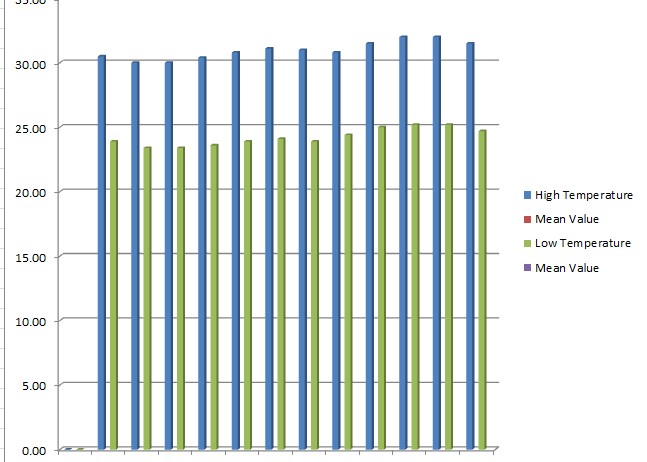
The Amazon stretches across multiple countries, predominantly Brazil, and it enjoys a predominant tropical climate. This climate is characterized by a consistent warmth interspersed with substantial precipitation, making it a veritable sponge soaking up atmospheric moisture. The average temperature hovers around 25°C to 30°C (77°F to 86°F) year-round, creating a milieu that nurtures a plethora of botanical species—from the towering kapok trees to the delicate orchids clinging to branches high above.
In essence, the Amazon’s climate functions as a maestro directing an orchestra of biodiversity. Its humidity, which can reach up to 100% in some areas, further intensifies the atmosphere of this vibrant forest. Humidity and temperature weave together to create a verdant tapestry where life flourishes; trees grow densely, thick trunks spiral skyward, and an undergrowth explodes in riotous color and texture. Beneath this lush stratification lies a revelation of complexity: a delicate balance that sustains an intricate web of life.
The precipitation in the Amazon Rainforest is staggering, with annual rainfall ranging from 1,500 mm to over 6,000 mm (59 to 236 inches) in different areas. This rainfall does not merely descend from the heavens; it results from a manufactured meteorological phenomenon. The vast trees expel moisture through transpiration, which, like a symphony, contributes to cloud formation and the subsequent cycle of rainfall. The rainforest self-sustains, forming its own microclimate. This cyclical rain also ensures that the forest remains verdant and ever-replenishing, despite intermittent periods of dryness.
Seasons in the Amazon are not marked by extremes but rather by slight variations in rainfall and temperature. This distinguishes it from temperate regions, where winter and summer dictate ecological activity. Instead, the Amazon experiences a dichotomy of wet and dry seasons; the wet season heralds a welcome influx of water, while the dry season provides a brief interlude for many species to endure the fluctuating conditions. The flora and fauna, adept at coping with these changes, have adapted remarkable survival strategies over millennia, illustrating nature’s relentless ingenuity.
Defining the climate of the Amazon is not solely about temperature and precipitation; it involves delving into the profound impacts of climate change. Increasing deforestation—largely driven by human avarice—emerges as a critical threat. The relentless chopping down of trees disrupts the delicate climate balance, creating a ripple effect through the ecosystem. Less vegetation means diminished transpiration, resulting in decreased humidity and altered precipitation patterns, potentially leading to drier conditions that could transform parts of the rainforest into savannah-like regions.
Moreover, rising temperatures, attributed to global warming, further exacerbate the already tenuous climate. Extremes have become more common: prolonged droughts can impoverish the soil and hinder the growth of a once-dominant biomass. Such alterations do not only endanger the myriad species that call the Amazon home; they pose a global risk by reducing the rainforest’s efficacy as a carbon sink, ultimately accelerating climate change worldwide.
The unique appeal of the Amazonian climate is embodied not only in its tremendous diversity but also in its fragility. Every drop of rain that nourishes the soil is a reminder of what humans stand to lose. Preservation of this natural wonder is paramount; initiatives aimed at reforestation, sustainable agriculture, and conservation efforts are vital. Advocacy for policies that protect this biome is essential. It is not sufficient to appreciate its beauty from afar; the Amazon demands engagement—a call to action to protect what remains.
In summation, the climate in the Amazon Rainforest is an intricate mosaic of warmth, humidity, and precipitation that nurtures a stunning diversity of life. As Earth’s lungs, they perform invaluable environmental services that transcend borders, urging the global community to collectively take action. The sentient and non-sentient beings within this lush expanse serve as guardians of the climate, their existence a testament to nature’s resilience. As humans, we must heed their silent lament in the face of climate change, understanding that preserving the Amazon is not merely a regional concern but a global imperative.