
Grasslands represent a unique ecological niche characterized by vast expanses of open land, dotted with grasses and occasional shrubs and trees. These ecosystems thrive in regions with moderate precipitation and distinct seasonal changes. The climate in grasslands is dynamic, influenced by various factors that contribute to the complexity of their environmental conditions.
In general, grasslands can be classified into two major types: temperate grasslands and tropical grasslands. Each type exhibits a distinct climate that shapes the flora and fauna adapted to these regions.
Temperate Grasslands
Temperate grasslands, found primarily in North America, Europe, and Asia, experience a continental climate characterized by cold winters and warm summers. The annual precipitation usually ranges from 250 to 750 millimeters, predominantly occurring in the summer months. This climate promotes the growth of deep-rooted grasses that can withstand drought and the cold winter temperatures.
Winter in temperate grasslands is often accompanied by snow, which insulates the ground and preserves moisture. The harsh cold period can lead to a dormant state in grasses, while perennial species germinate and thrive when temperatures rise in spring. During the transitional period from winter to spring, a phenomenon known as “vernalization” occurs, whereby certain seeds require exposure to cold temperatures before germination is possible. This adaptation enables grasses to synchronously awaken with the arrival of warmer conditions.
Summer brings longer days and higher temperatures, with average daily highs reaching between 20 to 30 degrees Celsius. The combination of warmth and increased precipitation during this season stimulates rapid growth. This is the peak time for biomass production, creating dense carpets of green that provide sustenance for numerous herbivorous animals, including bison, antelope, and various rodent species.
The Role of Winds
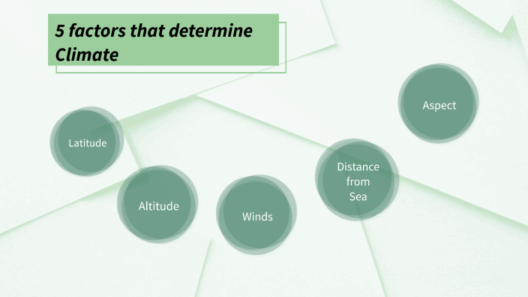
The windswept nature of grasslands significantly influences their climatic conditions. These vast, open spaces are often subject to strong winds that promote evaporation and can lead to higher rates of moisture loss. The interaction between wind patterns and temperature variances creates microclimates within the grassland, impacting plant and animal distributions. Wind can also aid in the dispersal of seeds, allowing various grass species to propagate over large areas.
Wind patterns can change seasonally, affecting the relative humidity and temperature. For instance, prevailing winds in the summer months may bring moist air from nearby bodies of water, enhancing precipitation, while winter winds could lead to more arid conditions. These subtleties in wind dynamics can define the ecological balance of temperate grasslands, influencing everything from soil moisture to plant health.
Tropical Grasslands
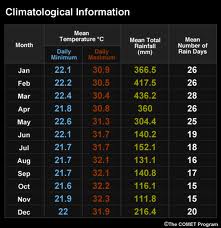
In contrast, tropical grasslands, often referred to as savannas, are prevalent in regions closer to the equator, such as parts of Africa, South America, and Australia. The climate here is distinguished by two distinct seasons: a wet and a dry season. Rainfall averages between 750 and 1,500 millimeters annually, primarily occurring during the wet season. This precipitation pattern supports a diverse assemblage of wildlife and flora, reflecting the unique interdependence within the ecosystem.
The wet season typically lasts for several months, during which the landscape bursts into vibrant life. Grasses flourish, and trees often put forth lush foliage, creating an idyllic habitat for herbivores like elephants, giraffes, and zebras, as well as their predators. The abundance of vegetation during this time creates a rich tapestry of life, as the ecosystem thrives on the seasonal bounty.
Conversely, the dry season can pose significant challenges. The lack of rainfall leads to desiccation, triggering dormancy in many grass species. Herbivores migrate in search of greener pastures, while predatory species follow suit, seeking available prey. This seasonal cycle of growth and dormancy emphasizes resilience, as species adapt to the environmental pressures of their habitat.
Soil Conditions and Vegetation
The soil in grassland ecosystems is predominantly rich in organic matter, supporting a diverse array of grasses and forbs. However, soil fertility can vary considerably from one region to another due to factors such as erosion, land use practices, and the natural nutrient cycle. In temperate regions, the soils are often deep and fertile, coated with a thick layer of humus, while tropical savanna soils may be less fertile due to leaching in the wet season.
The vegetation is adapted to withstand varying climatic conditions. Grasses like buffalo grass, ryegrass, and fescue dominate temperate grasslands, while species like elephant grass and acacia trees can be found in tropical grasslands. Deep root systems allow these plants to access moisture below the surface, ensuring survival during dry periods.
Conclusion
The climate in grasslands, governed by seasonal changes and wind dynamics, is a complex interplay between temperature, precipitation, and soil conditions that shapes the unique ecosystems they host. Grasslands are not just mere expanses of grass but teeming habitats that support a myriad of life forms. Understanding the climate influences on these regions is crucial for the conservation and sustainable management of grassland ecosystems. As climate change accelerates, the dynamics of grasslands may shift, necessitating further exploration and protection of these vital environments.