


Michigan’s climate is a complex tapestry woven from the influences of the Great Lakes. This expansive state, bordered on three sides by fresh water, experiences weather patterns that are both distinctive and compelling. The interplay between the lakes and the atmosphere creates a climate that offers not only climatic diversity but also an intriguing seasonal narrative, particularly during the winter months.
Understanding Michigan’s climate begins with its geographical positioning. Encased by the Great Lakes—Superior, Michigan, Huron, Erie, and Ontario—Michigan’s weather can be described as continental, with significant maritime influences. The lakes serve as enormous temperature regulators, mitigating extremes that typically characterize other inland regions. In summer, the Great Lakes moderate heat, while wintertime reveals their capability to enhance snowfall, a phenomenon known as lake-effect snow.
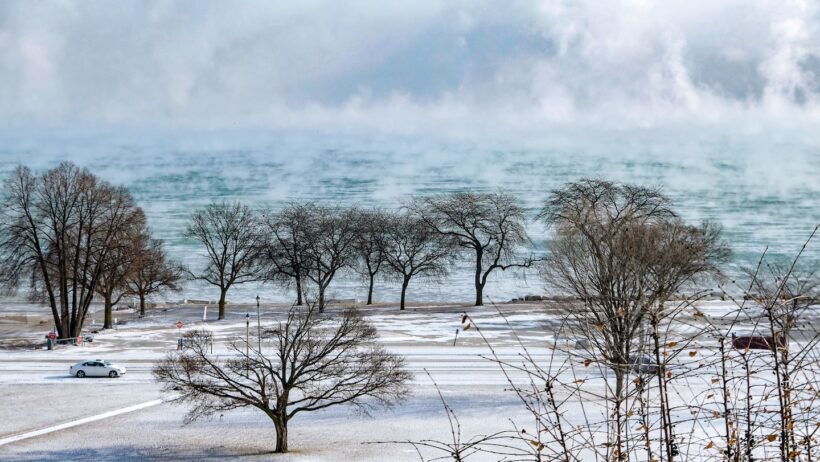
The lake-effect snow phenomenon is particularly pronounced in Michigan, resulting from a combination of cold air masses sweeping over the relatively warmer waters of the lakes. As these cold winds traverse the warm waters, they collect moisture and, upon reaching the adjacent land, release it in the form of heavy, sometimes blizzard-like snowfalls. This effect is most notably observed in the western and northern regions of Michigan, transforming the landscape into a wintry wonderland that beckons both residents and tourists alike.
Winter in Michigan typically boasts snow-laden trees, frozen lakes, and a blanket of white that covers the ground, creating an idyllic scene. However, the implications of climate change loom ominously over these picturesque views. As global temperatures rise, Michigan has already begun experiencing shifts in its winter patterns. Warmer winters lead to less consistent snowfall, and as the lakes warm up, the conditions for heavy lake-effect snow may become less reliable. This evolving climate challenges traditional notions of Michigan’s winter wonderland and raises questions about the long-term viability of local ecosystems and winter tourism.
In stark contrast to its winter climate, Michigan’s summers are characterized by warmth and humidity, influenced by the lakes’ ability to absorb heat. However, this warmth can sometimes lead to intense thunderstorms, particularly in late summer, when warm air collides with cooler air masses. These storms can be vigorous, leading to flash flooding and occasional tornadic activity, adding an unpredictable element to the climate narrative.
A closer examination of Michigan’s spring and fall seasons reveals a transitional beauty often overlooked. Spring heralds the awakening of flora and fauna after a long winter. During this time, the state showcases stunning blooms, particularly in the wake of snowmelt, which nourishes the soil. Conversely, autumn offers a vibrant display of colors as deciduous trees shed their leaves, a spectacle that draws countless visitors to experience the harvest season and the breathtaking landscapes.
Climate change continues to paint a disturbing picture across Michigan’s environmental canvas. Altered precipitation patterns lead to both drought scenarios and intensified rainfall, threatening agricultural productivity. Farmers are witnessing shifts in growing seasons, struggling to adapt to new realities that challenge their traditional practices. Enhanced evaporative demands during the summer months can result in drier soil conditions, increasing the need for irrigation, while intense autumn storms can wreak havoc on crops still in the ground.
Moreover, the Great Lakes themselves are not immune to the effects of climate change. Warmer temperatures impact water levels, threatening ecosystems and biodiversity that rely on specific conditions for survival. Species such as the native brook trout are sensitive to changing water temperatures and may face declining populations as conditions shift. Invasive species may thrive under warmer conditions, further complicating conservation efforts.
Michigan’s communities are not only grappling with environmental challenges but are also tasked with the responsibility of adapting to these changes. This has led to innovative approaches aimed at sustainability. Local governments, organizations, and individuals are increasingly engaging in practices that bolster resilience in the face of climate change. Initiatives such as promoting native gardening, reducing carbon footprints, and enhancing green infrastructure are being implemented to combat the adverse effects of a shifting climate.
While the complexities of Michigan’s climate can be daunting, there is a silver lining. Through education and advocacy, residents are becoming more aware of their ecological footprint. The Great Lakes serve as a powerful reminder of our interconnectedness with the environment, prompting conversations that bridge communities to work towards collective solutions. By fostering a culture of stewardship, Michiganders can help protect their natural resources and address the impacts of climate change.
As you navigate through Michigan’s diverse climate narrative, it becomes clear that the state’s weather is an embodiment of its identity. A tapestry of seasons intricately linked to the Great Lakes, each element—be it the snowfall, thunderstorms, or temperate springs—tells a story of resilience, adaptation, and the pressing need for a collective response to the challenges ahead. Embracing a climate-conscious perspective can lead to transformative change, ensuring that future generations cherish the remarkable beauty and ecological bounty that Michigan has to offer. The journey towards sustainability and awareness can begin with a shift in perspective, where curiosity piques understanding and, in turn, inspires action towards a more resilient future.