
Japan, an archipelago nestled in the embrace of the Pacific Ocean, exhibits a wondrously diverse climate that significantly influences its environmental symbiosis and demographic uniqueness. The climatic conditions across its four main islands—Honshu, Hokkaido, Kyushu, and Shikoku—are not only responsible for the nation’s breathtaking natural beauty but also for the deep-seated cultural traditions linked to its seasonal changes. This complex tapestry of weather phenomena, from the delicate cherry blossoms of spring to the raging typhoons of summer and the snowy peaks of winter, reveals much about Japan’s relationship with nature and the pressing implications of climate change.
Megatrends of Temperature and Precipitation
The climate of Japan can be categorized into five principal zones: humid continental, humid subtropical, oceanic, subarctic, and alpine. These variations arise mainly due to geographical features such as mountain ranges, the surrounding seas, and latitude. For the uninitiated, Japan might appear to be merely a seasonal marvel, but a closer examination reveals a myriad of climatic facets that form the backbone of its ecological identity.
In the temperate zones of Honshu and Shikoku, summers are characterized by high humidity and temperatures that can soar above 30°C (86°F), while winters might witness profound drops, especially in the northern regions of Hokkaido. Okinawa, praised for its tropical allure, is shrouded in warm maritime breezes, its climate distinctly milder than that of its northern neighbors. Rainfall is abundant, especially during the summer months, influenced by the East Asian monsoon system, which brings with it both life-sustaining water and the potential for destruction.
The Transience of Cherry Blossoms
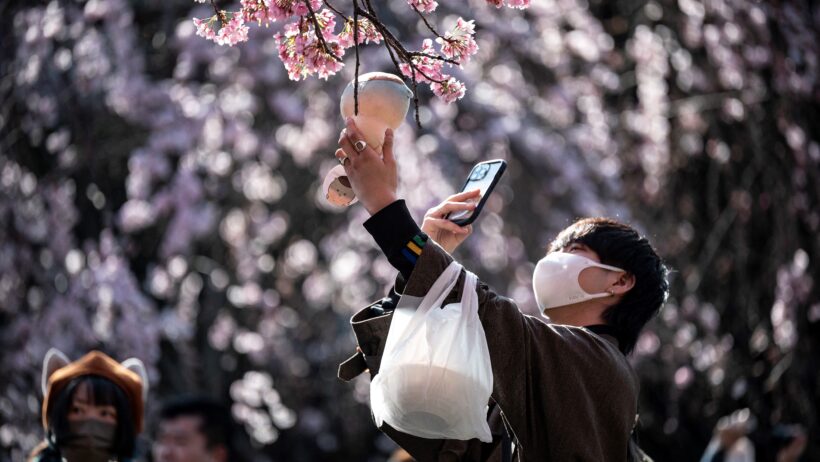
As spring arrives, Japan is awash with the ephemeral beauty of cherry blossoms, or sakura, which emanate an almost ethereal charm. This phenomenon occurs when the flora blooms, typically around late March to early April, and serves as a rhapsody of renewal and celebration for the Japanese people. People across the nation engage in hanami, or cherry blossom viewing, a cherished tradition that fosters community and reflection.
Yet, the increasingly erratic timing of these blossoms represents the profound impacts of climate change. As global temperatures rise, the Japanese cherry trees have started to bloom earlier in the year, disrupting centuries-old customs and ecological patterns. This shift not only signals a transformation in the natural order but hints at pressing questions about human interaction with the environment, sustainability, and the broader movement of species and ecosystems.
Summer Storms and Typhoons
As the cherry blossoms fade, the season of intense heat and humidity emerges, ushering in the infamous typhoon season. Japan is located in a region where warm tropical air meets cooler mid-latitude winds, creating the perfect brewing ground for typhoons. Each year, these storms unleash their fury, with winds often exceeding 150 km/h (93 mph) and torrential rains, leading to catastrophic flooding and landslides.
The increasing frequency and intensity of typhoons can be attributed to climate change, which is causing ocean temperatures to rise. Warmer seas intensify typhoons, making them more formidable and destructive. Moreover, the population density of coastal areas amplifies the impact of these natural disasters as urban infrastructure struggles to withstand such extreme weather events. Storm surges and flooding threaten not only human lives but also cultural heritage and biodiversity, further exacerbating the challenges faced by this island nation.
The Majesty of Snowy Peaks
In stark contrast to the summer’s wrath lies the serene beauty of Japan’s snowy peaks, particularly in regions such as the Japanese Alps and Hokkaido. Winter blankets the land in a quiet stillness, transforming it into a wonderland that captivates both locals and tourists alike. Ski resorts, such as those in Niseko, offer pristine powder snow, drawing enthusiasts from around the globe. The snow-capped mountains not only provide recreational opportunities but also play a crucial role in maintaining the hydrological cycle.
However, the implications of climate change cannot be overlooked. Warmer winters impact snow depth and duration, leading to erratic snowfall patterns. This fluctuation poses challenges for winter sports industries and disrupts natural ecosystems. Alpine ecosystems, delicate and resilient, are threatened by changes in temperature and precipitation, resulting in habitat loss for species that have adapted to these cold conditions for millennia.
The Cultural Resonance of Climate
Climate in Japan is more than a mere backdrop; it is an integral part of the Japanese identity, woven into the very fabric of cultural practices, art, and philosophy. The impermanence of the cherry blossoms epitomizes the Buddhist principle of mono no aware, an awareness of the transience of life, reminding people of the beauty found in fleeting moments. This cultural appreciation for nature fosters a deeper connection that transcends mere aesthetics.
Yet, as climate change accelerates the evolution of these seasonal phenomena, it prompts an urgent reconsideration of how traditions can adapt to an ever-changing environment. Japan’s experience serves as a microcosm of the global struggle against climate change, revealing the vulnerability of man and nature intertwined.
As Japan grapples with its climate, the interplay between cherry blossoms, summer storms, and snowy peaks paints a vivid portrait of resilience and fragility. It serves as an urgent reminder that the environment is not a separate entity but rather an inseparable part of our collective existence. The lessons learned from Japan’s climatic narrative must inspire a concerted global effort to address the ongoing challenges posed by climate change. Only through understanding and appreciation can humanity forge a sustainable path for the future.