

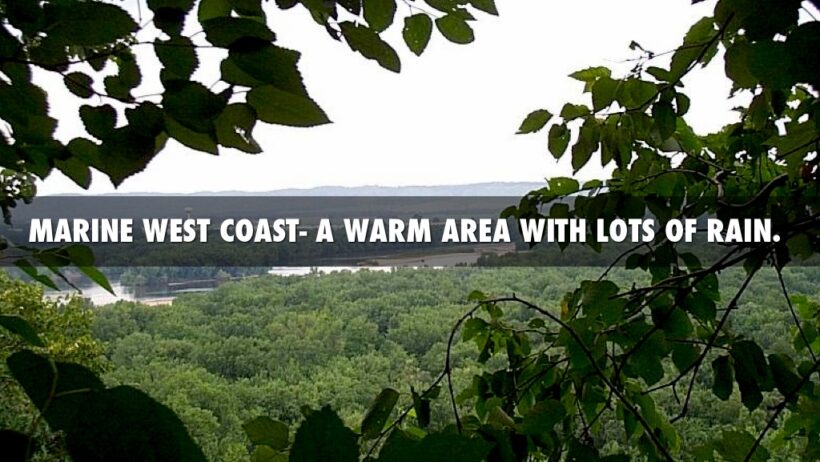

The Southeast region of the United States exhibits a distinctive climate characterized primarily by humid summers and mild winters. A conundrum arises: with such balmy weather, are these conditions a blessing or a curse? As we delve into the intricacies of this climate, we will explore the various elements that define it and the implications of these weather patterns on ecosystems and human activities.
At the heart of the Southeast’s climatic profile is the influence of its geographical positioning. Bordered by the Atlantic Ocean to the east and the Gulf of Mexico to the south, this region basks in a subtropical climate. The climatic characteristics are shaped by warm ocean currents, which bolster humidity levels, ultimately leading to an environment conducive to lush vegetation. The intricate balance of temperature and moisture fosters a diverse array of flora and fauna, making the Southeast a paramount region for biodiversity.
During the summer months, the Southeast is subject to oppressive humidity levels that can escalate discomfort. Average temperatures often surpass 90°F (32°C) during peak summer, coupled with suffocating humidity that can render outdoor activities less than enjoyable. This combination of heat and humidity can lead to the formation of heat indices that make the air feel substantially hotter. Therefore, one might ponder: how do residents and visitors adapt to such stifling conditions?
Despite the challenges presented by humid summers, the natural beauty of this region flourishes. Lush forests carpet the land, and vibrant wildflowers paint the meadows with vivid colors. Dynamic ecosystems such as swamps and marshes serve as vital habitats for numerous species. As summer progresses, it is not uncommon to experience regular thunderstorms that provide temporary relief from the summer heat. These storms, while beneficial for the environment, often bring torrential rain that contributes to the region’s propensity for flooding.
Turning to winter, one finds a stark contrast to the sweltering summers. The Southeast experiences mild winters, with temperatures usually ranging from the low 30s to high 50s Fahrenheit (around 0°C to 15°C). The comparatively moderate temperatures during winter months enable residents to engage in activities typically hindered by snow in other parts of the country. However, the unpredictability of winter weather in this region can present challenges. Rare occurrences of cold snaps may result in frost or even icy conditions, which can significantly affect agriculture and transportation.
One must consider the impact of climate change on the Southeast’s weather patterns. As global temperatures rise, the implications for humidity and rainfall are profound. Increased moisture in the atmosphere is expected to intensify rainfall events, leading to heightened instances of flooding. Additionally, sustained higher temperatures could exacerbate the existing humidity, creating an even more oppressive summer environment. Are we prepared for the potential escalation of such climatic extremes?
Furthermore, this region is uniquely vulnerable to the pressures of climate change due to its geographic positioning. Its proximity to the Gulf of Mexico makes it a prime target for hurricanes and tropical storms. These formidable weather phenomena can wreak havoc, resulting in devastating consequences for people living in coastal communities. As we observe the complexity of natural systems, we are left to ponder: how can we bolster our resilience against these escalating threats?
In the context of agriculture, the impacts of a changing climate are profound. The Southeast is known for its agricultural productivity, with crops ranging from cotton to peaches. However, the variability in seasons, altered precipitation patterns, and increased pest pressures pose risks to farmers. How do agricultural communities adapt to the shifting climate while sustaining their livelihoods? It is crucial to explore sustainable farming practices that mitigate these impacts—utilizing crop rotation, water conservation techniques, and integrated pest management strategies.
The interplay between the natural environment and human activities in the Southeast prompts a critical examination of conservation efforts. As urbanization expands, the demand for land often encroaches upon vital ecosystems. Protecting wetlands, forests, and waterways is essential for maintaining the region’s ecological health. By implementing conservation initiatives, communities can not only preserve local biodiversity but also enhance their resilience against climate-related adversities. Will citizens step forward to champion such movements?
In conclusion, the climate of the Southeast region, characterized by humid summers and mild winters, encapsulates both charm and complexity. While the warm weather allows for vibrant natural ecosystems and enjoyable outdoor experiences, the challenges associated with humidity, extreme weather, and climate change necessitate a proactive response. The questions posed continue to resonate: how do we adapt, protect, and sustain our communities amid an ever-changing environment? Together, by understanding the nuances of our climate and fostering a collective commitment to addressing the challenges posed by climate change, we can pave the way for a resilient future.