


Chile, a narrow strip of land along the western edge of South America, is renowned for its astonishingly diverse climate that ranges from some of the driest deserts in the world to the icy expanses of glaciers. This geographical extremity exhibits a fascinating combination of ecosystems, landscapes, and weather patterns, drawing the fascination of scientists, travelers, and environmentalists alike. Understanding this variability is essential not only for appreciating the country’s natural beauty but also for recognizing the implications that climate change poses on these fragile environments.
To encompass the entirety of Chile’s climatic dichotomy, one must first consider its geographical features. Stretching over 4,300 kilometers in length and averaging just 177 kilometers in width, Chile presents a unique case study in climatic variation. The Andean mountain range runs parallel to the Pacific Ocean along the eastern borders, while the coastal regions provide a stark contrast in humidity and temperature. As one travels from the north to the south, the transformation is palpable, offering a microcosm of climatic zones within a single nation.
Beginning in the north, the Atacama Desert reigns supreme. Recognized as the driest nonpolar desert in the world, it extends for approximately 1,000 kilometers along the coast and features astonishingly arid conditions. Rainfall averages less than 1 millimeter annually in some places, creating a landscape dominated by salt flats, rugged mountains, and otherworldly rock formations. The climatic aridity is fostered by the cold Humboldt Current, which inhibits moisture-laden winds from reaching the land, resulting in a stark and alien terrain. Yet, this desolation harbors a unique ecosystem; despite the inhospitable conditions, resilient flora and fauna exist, showcasing nature’s remarkable adaptability.
Venturing slightly south, the climate begins to shift into the Central Valley, where temperate conditions set in. Here, the summers are hot and dry, while the winters welcome rainfall, creating a suitable environment for agriculture. This region is crucial for Chile’s economy, as it is home to some of the world’s finest vineyards. The Mediterranean climate, characterized by wet winters and dry summers, nurtures grapes that produce renowned wines, further emphasizing the stark contrast from the aridity of the north.
As one traverses deeper into the heart of Chile, the landscape becomes increasingly lush, particularly in the area known as the Lake District. This region experiences a maritime climate, with ample precipitation and mild temperatures, fostering dense forests of conifers and temperate rainforests. These forests, inhabited by a rich tapestry of biodiversity, illustrate the variance between Chile’s climatic zones, and they carry significant ecological importance. The interaction between moist air from the Pacific and the Andes contributes to a continuous cycle of weather patterns, nurturing this vibrant ecosystem.
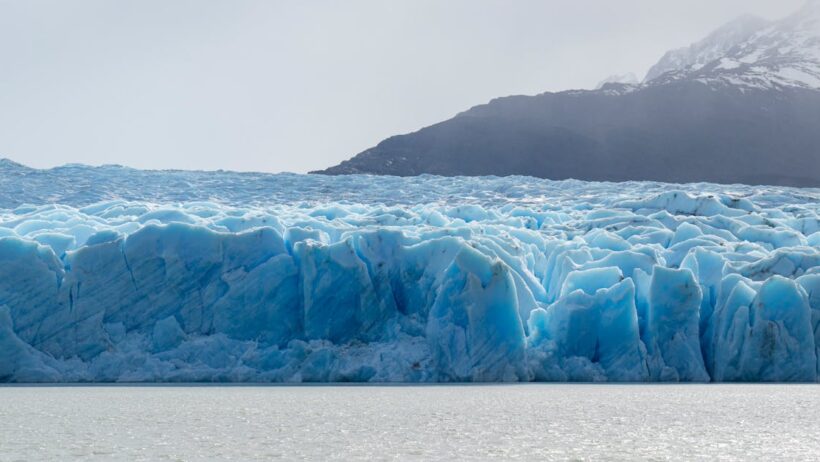
Further south still, one encounters the magnificent Patagonian region, characterized by dramatic fjords, glaciers, and an array of climates. Here, the climate can be described as oceanic, with frequent rainfall and stunning vistas dominated by towering mountains and sprawling ice fields. Glaciers, such as the awe-inspiring Grey Glacier in Torres del Paine National Park, are not only significant natural wonders but act as crucial indicators of climate change, reflecting shifting weather patterns and rising temperatures. These glaciers serve as a reminder of the delicate balance needed to sustain such breathtaking landscapes.
The vast differences in climate across Chile are not simply a matter of geography—they are manifestations of broader climate phenomena. Ocean currents, altitude, and prevailing winds significantly influence temperature and moisture within the region. As climate change continues to escalate, the implications for these diverse ecosystems are quite profound. The increasing temperatures threaten the fragile equilibrium of the eco-regions, initiating shifts in species distribution, loss of biodiversity, and alteration of weather patterns.
One of the most alarming signs of climate change is the retreat of glaciers throughout Patagonia. As global temperatures rise, these icy reserves dwindle, impacting freshwater supplies and ecosystems. The loss of glaciers is not just a visual detriment but poses significant challenges for local communities that rely on this water for agriculture and domestic use. This ripple effect extends beyond immediate geography; the melting of glaciers contributes to rising sea levels, posing existential threats to coastal regions around the world.
Moreover, the impacts of climate change aren’t confined to the natural environment alone. They resonate throughout culture, economy, and society. Indigenous communities in Patagonia, for example, face the potential loss of ancestral lands and resources, while agricultural practices in the Central Valley are increasingly burdened by unpredictability in rainfall and temperature patterns.
As stewards of this diverse and exquisitely beautiful nation, Chileans have begun to take action. Initiatives aimed at promoting sustainable practices in agriculture, conservation, and renewable energy illustrate a growing recognition of the urgent need to mitigate climate impacts. Awareness campaigns resonate throughout, urging individuals and communities to advocate for the protection of their environments. These efforts demonstrate the collective responsibility shared by not only Chile but the world in addressing the pressing crisis of climate change.
In conclusion, the climate of Chile is a strikingly rich tapestry that encompasses vast deserts, fertile valleys, and icy glaciers. Each region tells a distinct story of resilience and adaptation, yet they all face the omnipresent threat of climate change. As we marvel at the incredible landscapes that Chile boasts, it is imperative to recognize the environmental challenges posed by a warming planet and to advocate for actions that can preserve these natural wonders for future generations. Understanding the interplay between climate diversity and human impact can inspire more effective stewardship of this ecologically vital region.