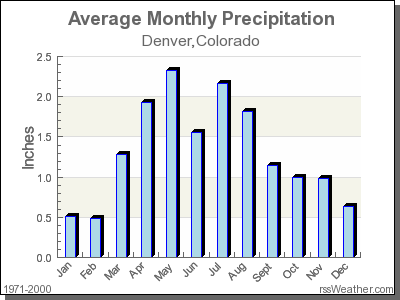

Denver, Colorado, affectionately known as the Mile High City due to its elevation of 5,280 feet above sea level, presents a fascinating tapestry of climate phenomena. The interplay of altitude and geography shapes its unique weather patterns, offering residents and visitors a distinctive experience of the four seasons. So, what exactly is the climate like in Denver? How do its characteristics interact with the challenges posed by climate change? Let’s delve into the multifaceted aspects of Denver’s climate.
First, it’s pivotal to understand the geographical context of Denver. Nestled against the backdrop of the Rocky Mountains, the city experiences a semi-arid climate, characterized primarily by its low humidity and significant seasonal temperature variations. This geographical positioning not only influences precipitation patterns but also compounds the effects of climate fluctuations. The challenges associated with climate change, particularly heightened temperatures and erratic precipitation, loom over the city as it navigates its seasonal cycle.
Denver’s climate is well-defined by its four distinct seasons: spring, summer, autumn, and winter. Each season brings its own set of climatic traits and challenges, creating a landscape that is ever-changing yet predictably cyclical.
Spring in Denver emerges as a time of renewal and growth. Typically arriving in March and lingering through May, this season is marked by a gradual warming trend. Daytime temperatures can oscillate between the comfortable 60s and the brisk 70s, making it an ideal period for outdoor activities. However, spring in Denver can be capricious; snowstorms are not uncommon, often surprising residents with sudden temperature drops. These unpredictable weather patterns pose a challenge. How can one plan a simple picnic when the weather forecast might predict sunshine in the morning and snow by evening?
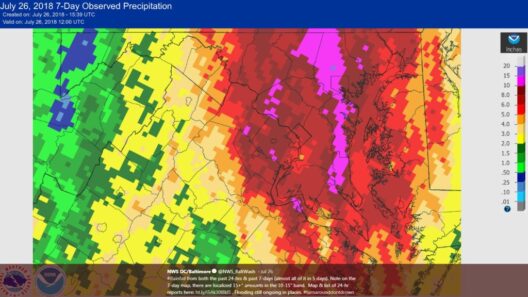
As spring transitions into summer, the climate transforms significantly. From late June to late September, Denver sizzles under the summer sun. Temperatures frequently soar into the 80s and 90s, punctuated by intense thunderstorms—an essential feature of Denver’s summer months. These storms, often brief but powerful, can lead to flash flooding, highlighting the city’s vulnerability to sudden weather changes exacerbated by climate change. As one enjoys the warmth, it’s worth pondering the long-term implications of these violent weather patterns. Are we prepared to meet the challenges posed by increasingly severe storms?
Autumn arrives with its own charm, captivating residents with a display of vivid foliage. Spanning from September through November, this season offers crisp air and comfortable temperatures averaging in the 60s and 70s. However, autumn in Denver also serves as a precursor to winter’s grip, often bringing the first snowfall before Halloween. The interplay between the lingering warmth of summer and the impending chill of winter can create a whimsical tapestry of weather, but it also presents challenges. With the fluctuating temperatures, how can ecosystems better adapt to the shifting seasons’ rhythm?
Finally, winter blankets the city from late November through March, transforming Denver into a picturesque wonderland. Average winter temperatures can fall below freezing, with significant snow accumulation. The Denver area receives an average of 60 inches of snowfall annually. Snow-capped mountains provide stunning vistas, while the slopes of nearby resorts attract winter sports enthusiasts. Nonetheless, winter weather brings its own set of challenges: icy roads, snow removal tasks, and the necessity of winter gear. How can communities collaborate to effectively manage these seasonal transitions while considering the pressures of climate change?
Exploring the yearly climate cycle in Denver highlights an essential aspect of urban living: adaptability. Residents must remain vigilant and prepared for both the enchanting and the daunting aspects of their surroundings. Strategies for sustainable urban development, investment in green infrastructure, and community engagement in climate initiatives are paramount in addressing the challenges that accompany Denver’s diverse weather patterns.
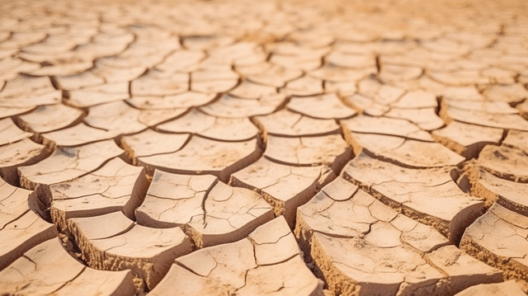
Moreover, mitigation and adaptation strategies play a pivotal role in the conversation about climate resilience in the Mile High City. From promoting energy-efficient buildings to enhancing water conservation efforts during dry spells, initiatives are crucial for fostering an environmentally conscious community. The blend of Denver’s climatic extremes and the underlying threat of climate change necessitate robust adaptation measures that ensure both human welfare and ecological integrity.
In conclusion, the climate in Denver, Colorado, is not merely a series of weather patterns; it is a complex interplay of environmental factors influenced by elevational changes and regional geographic attributes. The four seasons each present their own challenges and opportunities, requiring a continuous commitment from the city’s inhabitants to adapt while mitigating the impacts of climate change. As we experience the miracles of nature, we must also remain aware of our role in protecting our environment. With each season that passes, one must ask: What steps will we take to ensure that the Mile High City remains a vibrant, resilient place for generations to come?