
The climate of coastal plains is characterized by a unique confluence of atmospheric conditions, which yield a dynamic and diverse ecosystem. These regions, often situated along the edges of continents where land meets the sea, experience a variety of climatic attributes. From mild breezes that caress the land to seasonal rains that replenish the earth, the climate of coastal plains merits a comprehensive exploration.
Coastal plains, typically found alongside major oceans and seas, feature a moderate climate profoundly influenced by their proximity to large bodies of water. The ocean exerts a moderating effect on temperature extremes. In summer, coastal areas are generally cooler compared to inland areas. Conversely, during winter, temperatures remain relatively mild, as the ocean retains heat longer than the land. This phenomenon is known as maritime moderation, and it plays a pivotal role in shaping the local climate.
Sea breezes, often described as mild and refreshing, are another characteristic feature of coastal plains. These breezes develop due to differential heating between the land and the sea. As the sun ascends in the sky, land surfaces warm more rapidly than the ocean. Consequently, the air above the land becomes less dense, causing it to rise. As it does, cooler, denser air from the ocean moves inland to replace it, creating a gentle breeze. This process not only ensures comfortable temperatures but also contributes to the overall livability of coastal environments.
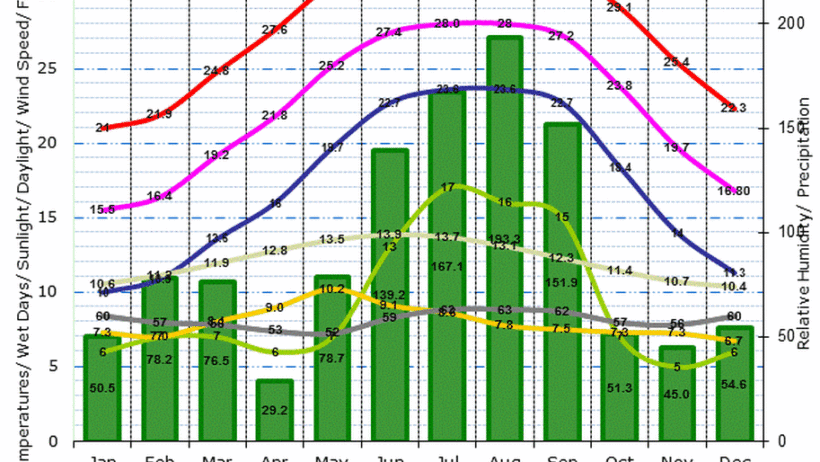
In addition to sea breezes, the climate of coastal plains is marked by distinct seasonal patterns, particularly regarding precipitation. Rainfall in these regions is influenced significantly by the presence of warm, moist air masses from the ocean. The interaction between these air masses and local topography can result in varying precipitation levels throughout the year. This variability can support a range of ecosystems, from lush wetlands to flourishing estuaries.
Coastal plains typically experience a relatively consistent amount of rainfall, averaging between 30 to 60 inches annually. However, certain areas may witness more pronounced wet and dry seasons. The summer months tend to bring increased rainfall, often coinciding with the hurricane season in tropical and subtropical coastal regions. Such storms can unleash substantial amounts of rain within a short timeframe, leading to temporary flooding and significant ecological impacts.
In contrast, winter months may experience prolonged dry spells, particularly in more temperate coastal plains. These dry periods can significantly affect local agriculture, as farmers rely on consistent moisture to nurture crops. Nonetheless, the presence of a diverse array of flora and fauna often provides resilience against such climatic fluctuations.
The impact of climate change is increasingly evident in coastal plain regions. Rising sea levels, exacerbated by melting ice caps and glaciers, threaten to inundate low-lying areas. As ocean temperatures rise, the frequency and intensity of storms—including hurricanes and typhoons—are also escalating. These dramatic shifts in climatic conditions may lead to increased salinity in estuarine environments, altering local ecosystems and threatening species that are not adapted to such changes.
Notably, the biodiversity of coastal plains is closely tied to their climatic conditions. The interplay of sun, water, and soil fertility fosters habitats that support a myriad of species, from migratory birds to marine life. Seasonal migrations, influenced by climatic patterns, play a crucial role in maintaining the ecological balance. Birds often migrate to coastal areas during specific seasons, taking advantage of abundant food sources and milder temperatures, which, in turn, supports vibrant ecosystems.
The intertwining of humans with coastal plain environments further delineates the significance of understanding their climatic characteristics. Communities established in these regions have a rich history tied to fishing, agriculture, and tourism. Farmers cultivate crops that thrive in the mild, moist climate, while coastal communities often rely on marine resources as a primary food source. Such interdependencies emphasize the necessity of sustainable practices to mitigate the effects of climate change.
Coastal plain climates also create unique recreational opportunities. With their inviting temperatures and picturesque scenery, these areas are popular among outdoor enthusiasts. Activities such as hiking, birdwatching, and water sports attract individuals from all walks of life. Consequently, maintaining the integrity of these ecosystems becomes paramount to preserving both biodiversity and recreational spaces.
In conclusion, the climate of coastal plains is a harmonious blend of mild weather, seasonal rain, and complex ecological relationships. It demonstrates the remarkable adaptability of both nature and humankind in the face of varying meteorological conditions. Understanding the intricacies of this climate not only enhances appreciation for these vital environments but also underscores the urgent need for environmental stewardship to ensure their longevity amidst a rapidly changing world.