
The climate of Ecuador is a vibrant tapestry woven with the threads of equatorial warmth and the cool caress of high-altitude breezes. Nestled along the equator, Ecuador showcases an exceptional climatic diversity that largely stems from its topographical variations—from coastal plains to the awe-inspiring Andes mountains. Understanding Ecuador’s climate is not merely an exercise in geography but a revelation of how this intricate web of environmental factors shapes the nation’s ecology, culture, and economy. The interplay between these climatic influences promises a profound shift in perspective regarding how we perceive this South American jewel.
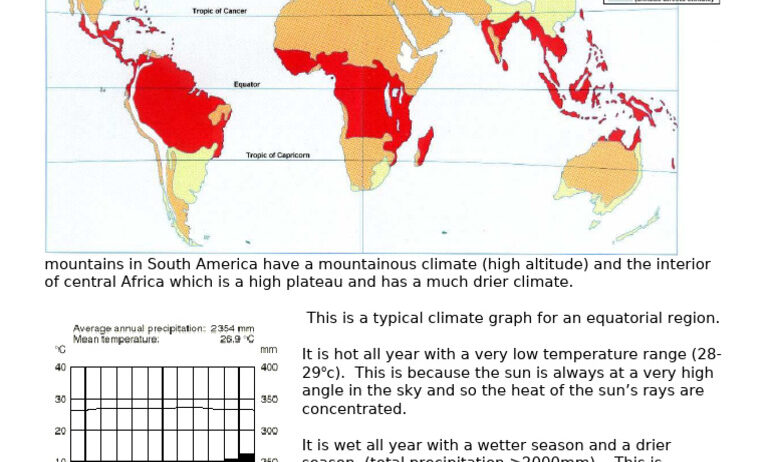
Ecuador’s geographical positioning along the equator plays an instrumental role in shaping its climate. This line of latitude is synonymous with consistent daylight hours and minimal seasonal variation. In regions such as the lowland Amazon basin, you can expect near-constant temperatures averaging around 26 to 30 degrees Celsius (79 to 86 degrees Fahrenheit) year-round. This equatorial warmth yields a tropical rainforest climate characterized by abundant rainfall, lush vegetation, and an impressive biodiversity. The frequent downpours, particularly during the wet season, ensure a thriving ecosystem that supports a plethora of wildlife. Yet, while the lowland regions bask in equatorial heat, the highlands tell a different story.
As one ascends into the Andes, particularly in the Sierra region, a striking dichotomy emerges. The climate transforms dramatically due to altitude. Here, temperatures become markedly cooler, and it’s not unusual to experience a temperature drop of several degrees for every 1,000 meters (3,280 feet) gained in elevation. The once steamy climate gives way to a temperate environment, which can lead to markedly diverse microclimates. Cities like Quito, precariously perched at around 2,850 meters (9,350 feet), illustrate this phenomenon. The capital enjoys a spring-like climate year-round, with average temperatures hovering at 10 to 20 degrees Celsius (50 to 68 degrees Fahrenheit).
The interaction between Ecuador’s varied climatic zones directly influences the agricultural practices prevalent in the country. The warm lowlands are ideal for cultivating bananas, cacao, and other tropical fruits. Conversely, the fertile highlands support crops such as potatoes and maize, which thrive in cooler conditions. This climatic mosaic not only underpins economic sustainability but also somewhat dictates the food culture within different regions. The juxtaposition of equatorial lushness with high-altitude coolness fosters a culinary repertoire as diverse as the climate itself.
In addition to facilitating agricultural diversity, Ecuador’s unique climate has significant implications for its environment. The country’s lush forests are home to some of the most diverse flora and fauna on the planet. However, the increasing threat of climate change jeopardizes this delicate balance. Alterations in precipitation patterns and temperature variations challenge the integrity of these ecosystems. For instance, the rainforest’s sustained rainfall is becoming increasingly erratic, placing stress on the biodiversity that depends on specific climatic conditions. Recognizing these threats is paramount; it compels us to explore conservation tactics that can mitigate climate disturbances effectively.
Moreover, the phenomenon of climate change does not affect the natural landscape in isolation; it ripples through human interactions as well. Communities dependent on agriculture for sustenance are witnessing shifting planting seasons, creating uncertainty in crop yields and food security. Addressing these challenges requires innovative solutions that embrace both ecological responsibility and social equity. Forward-thinking initiatives can engage local populations in sustainable agricultural practices, ensuring resilience against changes wrought by climate fluctuations.
The coastal regions also present an intricate climate identity. Bordered by the Pacific Ocean, Ecuador’s coast experiences a distinctive seasonal cycle characterized by a warm, dry period and a wet, humid season. The coastal climate is conducive to a maritime economy, predominantly relying on fishing and tourism. However, rising sea levels and increased Ocean temperatures pose significant threats to these coastal communities, exacerbating vulnerability and heightening the need for comprehensive climate strategies.
Adapting to the consequences of climate change is imperative. One approach involves implementing sustainable management practices across various sectors, especially tourism and agriculture, to promote ecological integrity while simultaneously fostering economic growth. Protection of biodiversity through strategic conservation efforts not only enhances resilience but also nourishes cultural identities. The promotion of ecotourism can encourage responsible engagement with the environment, cultivating respect for both nature and local traditions.
As the climate narrative unfolds, one cannot overlook the indigenous populations’ rich knowledge of sustainable living. These communities have thrived within this intricate climatic framework for centuries, possessing invaluable insights that can contribute to contemporary environmental stewardship. The perspectives gained from indigenous practices can inspire innovative solutions to modern challenges posed by climate variations. Engaging with these communities to weave their wisdom into climate policies enhances the collective potential to mitigate adverse effects effectively.
In summary, the climate of Ecuador is a compelling confluence of equatorial warmth and high-altitude coolness, marked by sharp contrasts and intricate interdependencies. It is an environment brimming with potential, yet fraught with challenges that require immediate attention. By embracing a multifaceted approach to address climate change impacts, Ecuador can preserve its rich ecosystems and cultural heritage while navigating the path toward a sustainable future. Recognizing the significance of this climate is crucial—not just for Ecuador but as a microcosm of the global struggle against climate change. The journey forward demands not only scientific innovation but also a profound respect for the intricate relationships between humans and the natural world.