
Honduras, a Central American gem, reveals a climate that is as diverse as its rich cultural heritage. Situated between the Caribbean Sea and the Pacific Ocean, this country’s weather patterns are a tapestry woven with elements of tropical rain and coastal warmth. Understanding the climatic nuances of Honduras not only enlightens one about its environmental characteristics but also emphasizes the pressing realities of climate change.
The predominant climate type in Honduras is tropical, characterized by high temperatures year-round and a remarkable degree of humidity. This humid tropical climate manifests most strikingly in the coastal regions, especially along the northern shores, where the air is infused with the balmy breaths of the Caribbean. Here, temperatures generally oscillate between 77°F (25°C) and 90°F (32°C), creating a consistently warm embrace that lures both inhabitants and tourists.
As one moves inland, however, the warm coastal allure gives way to a myriad of climates, showcasing a significant variation influenced by elevation and geography. Honduras is marked by diverse topographical features, including mountains, plateaus, and valleys, each contributing to local climate variations. For instance, the highland areas, such as the mountainous regions near Tegucigalpa, experience a temperate climate. This area is often cooler, with temperatures dropping as low as 50°F (10°C) at night, providing a striking contrast to the sultry lowlands.
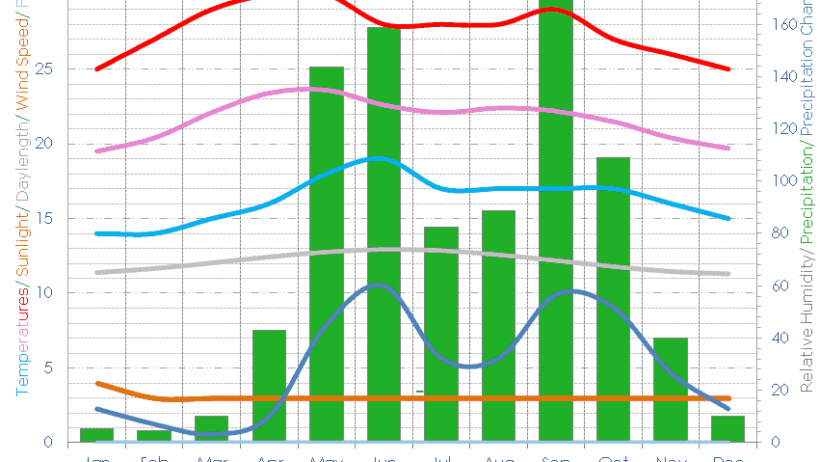
Central to understanding Honduras’s tropical nature is the wet season, which generally spans from May through October. During this period, the country is blessed with abundant rainfall, transforming the landscape into a vivid green canvas. The precipitation is particularly significant in the northeastern regions, where the orographic lift caused by the mountainous terrain engenders intense rainfall. This phenomenon is crucial for agriculture, as it nurtures staple crops like maize and beans, underpinning food security for many Hondurans.
The rainfall’s abundance is not just a boon for agriculture; it also prompts the development of diverse ecosystems. Rainforests thrive in regions receiving copious rain, harboring a plethora of plant and animal species—many of which are endemic. The Mosquito Coast, located on the Caribbean side, is a prime example, showcasing rich biodiversity, including vibrant flora and unique fauna. However, the persistent rainfall does come with challenges, as it can lead to flooding and landslides, particularly in vulnerable areas.
In contrast, the dry season—from November to April—brings a noticeable shift in the climate. The once vibrant landscape becomes parched as precipitation dwindles considerably. Coastal areas still enjoy warm temperatures, but the interior regions experience cooler evenings and more temperate conditions overall. This season is critical for farmers to harvest their crops and for tourists to explore the natural and cultural wonders of the country. The dry conditions also tend to attract migrant populations, as opportunities abound in tourism and agriculture.
Coping with the climatic extremes necessitates resilience and innovation. The citizens of Honduras have long utilized sustainable agricultural practices to adapt to changing weather patterns. Techniques such as intercropping, crop rotation, and the implementation of agroforestry systems not only mitigate the adverse effects of climatic variability but also enhance soil fertility and biodiversity. This shift towards more sustainable practices reflects a growing awareness of climate change’s omnipresent threat.
However, the dialogue surrounding climate change and its implications is critical to the future of Honduras. As a country vulnerable to natural disasters, including hurricanes and tropical storms, the stakes continue to escalate. The impact of rising global temperatures catalyzes more severe weather patterns, increasing the frequency and intensity of such phenomena. These climatic shifts compel us to rethink our relationship with nature and encourage the implementation of adaptive strategies.
Moreover, the coastal regions face additional threats from rising sea levels, which impact not only ecosystems but also human settlements. Ports, fishing communities, and coastal infrastructure stand on the frontline, deeply affected by encroaching waters. This dual reality of beauty and vulnerability makes Honduras a focal point for discussions about environmental conservation and climate resilience.
It is imperative to take action. Community-based programs aimed at reforestation, habitat restoration, and the promotion of renewable energy resources are crucial. By fostering awareness and engaging individuals in environmental stewardship, Honduras can cultivate a more sustainable relationship with its rich natural resources. The empowerment of local communities to combat climate change while supporting their livelihoods is essential for the future.
The climate of Honduras is a vivid illustration of the intersection of natural beauty and ecological fragility. It is a region where tropical rain nourishes the earth, yet the implications of climate change demand immediate and concerted efforts. Transitioning to a paradigm where ecological integrity and economic development coexist is no longer a luxury; it is a necessity. Understanding the profound link between climate, culture, and survival is an essential step toward forging a resilient future for Honduras.
As we gaze upon the splendor of Honduras, let us remain mindful of its delicate balance. Embracing sustainability and adapting to climate challenges can serve not only as a safeguard for the environment but also as a lasting testament to the resilience of the Honduran spirit. The time has come to nurture this beautiful land, ensuring that its promise endures for generations to come.