

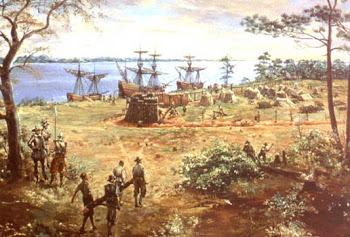

The climate of Jamestown, established in 1607 as England’s first permanent settlement in North America, posed significant challenges for its early settlers. Nestled in present-day Virginia, the location offered rich resources, yet the environmental conditions often threatened the survival of those who ventured into this new territory. How did the settlers contend with the mercurial weather patterns and unrelenting challenges that accompanied the new world? Understanding the climate of Jamestown unlocks not only the hardships faced by these early colonists but also the adaptability and resilience they exemplified in the wake of adversity.
Jamestown’s climate can be classified as a humid subtropical climate, characterized by its hot summers and mild winters. During the summer months, temperatures frequently soared above 90°F (32°C), while winters brought cooler, yet also somewhat temperate conditions, with average temperatures hovering around 40°F (4°C). The transition between these seasons introduced the settlers to a plethora of weather phenomena and challenges, making survival a daily saga.
The summer’s oppressive heat and humidity exacerbated the already grueling labor required for survival. As crops like corn and tobacco were planted, the settlers struggled against invasive weeds and pests that thrived in the warm and damp soil. Did you know that mosquitoes, originating from the area’s shallow marshes and stagnant waters, became a nightly nuisance? These pests didn’t just interrupt sleep; they were carriers of disease. Malaria and yellow fever became unwelcome companions for many settlers, leading to despair and illness in the growing colony.
Rainfall in Jamestown was abundant, with an annual average of approximately 40 inches, concentrated mainly in late spring and summer. This precipitation provided a double-edged sword; while it nurtured crops and replenished freshwater sources, it also fostered the conditions for flooding and dampness. The settlers faced erosion and destruction of their meager crops in this waterlogged environment. The intricate game of agriculture became even more acute in such an unstable climate. Can you imagine planting your crops only to lose them to an unexpected deluge?
Furthermore, the settlers encountered extreme weather events, such as hurricanes, which were more frequent along the Virginia coast than they anticipated. These fierce storms wreaked havoc upon their modest dwellings and fragile food supply, leaving devastation in their wake. Historical accounts detail how storms not only disrupted daily life but also obliterated homes, forcing settlers into uncomfortable adaptations. Natural disasters challenged their perseverance, yet through such experiences, a sense of community emerged amongst the settlers.
Equally daunting were the frigid winters, during which food scarcity became an entrenched problem. With insufficient preparation for the cold months, the colonists often faced hunger and illness. The plight of the “starving time” during the winter of 1609-1610 stands as a grim testament to their struggles. Armed with meager provisions, the settlers experienced near total lack of food, leading to dire consequences. Do you think the harsh winters might have tested their resolve to stay in this new and unforgiving land?
Interestingly, the adaptive strategies employed by early settlers reflected a vital understanding of their environment. The indigenous people, who had long navigated the region’s climate, offered invaluable insights into sustainable living practices. The settlers learned to grow native crops such as beans and squash, which complemented their European staples. The exchange of knowledge was not only a means of survival but also synergized the experiences of two distinct cultures as they responded to the ever-changing atmosphere around them.
Additionally, the settlers experimented with various building techniques to contend with the local climate. While early constructions were rudimentary, adaptations over time included the use of local materials like wood and mud to create more durable structures. Elevated foundations helped mitigate flood risks, showcasing the ingenuity sparked by environmental challenges. Each winter required new strategies, prompting collective efforts to insulate cabins better and find creative means for warmth. Over time, this evolved into the development of a deeper understanding of the region’s seasonal rhythms.
The interaction between the settlers and their environment during Jamestown’s formative years highlights not only the tenacity of human spirit but also the consequences of climate on survival. The myriad lessons learned from weather-related challenges ultimately paved the way for future generations. As settlers began to make peace with the land’s conditions, they laid the foundations for a sustained community and subsequent growth of colonial Virginia.
In retrospect, the climate of Jamestown cannot merely be labeled as an impediment; it was an intricate component of the settlers’ narrative that forged their identity. The stories of resilience in the face of inclement weather remind us of the primal relationship between human beings and their environment. As you ponder the courage and innovation displayed by Jamestown’s early inhabitants, consider how today’s approaches to climate and sustainability might still draw inspiration from their relentless spirit of adaptation.
Ultimately, what lessons can we glean from the settlement of Jamestown? The challenges wrought by the climate depict a timeless narrative of survival, reinforcement of community bonds, and the aptitude for innovation in the face of adversities. As we continue to confront modern-day environmental hurdles, the historical account of Jamestown resounds as a clarion call for resilience, adaptability, and collaborative engagement with the natural world.