


Maryland, situated in the Mid-Atlantic region of the United States, is a state characterized by its remarkable climatic diversity and geophysical features. One might wonder, with such varying landscapes, how does Maryland manage its climate? Is it a place of balmy shores or icy winters? Perhaps a blend of both? This entices us to unravel the intricacies of Maryland’s climate, especially the coastal humidity and the four distinct seasons that contribute to its unique weather tapestry.
The climate of Maryland is classified as humid subtropical in some areas, especially towards the southern and eastern parts, while parts of the western region lean towards a more continental climate. This geographical dichotomy introduces varying climate experiences, influenced significantly by its proximity to the Atlantic Ocean and the Chesapeake Bay. Thus, one can experience the warm embrace of summer on the coastal beaches while feeling the chill from the mountains in winter.
To better understand any region’s climate, it is vital to analyze the seasonal shifts. Maryland’s seasonal weather patterns exhibit a delightful balance, offering residents and visitors a rich array of experiences throughout the year. Spring emerges after the chilly embrace of winter, typically around March, bringing renewal and a vibrant burst of color across the landscape. During this time, temperatures begin to rise, averaging between 50°F to 70°F (10°C to 21°C). The flowering dogwoods and cherry blossoms herald the arrival of warmer days, inviting nature enthusiasts and photographers alike to revel in the natural beauty.
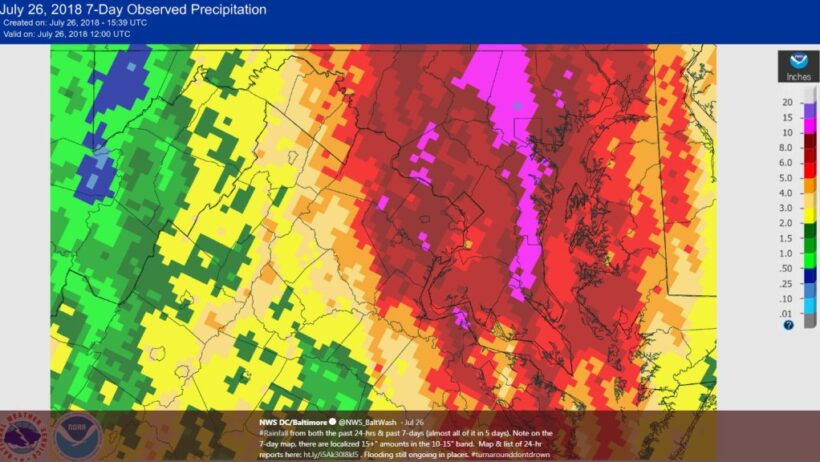
However, with spring also comes a challenge. The transition period may introduce erratic weather patterns, often leading to thunderstorms and occasional flooding. This stream of rapid weather changes can catch one off-guard, posing a question: How prepared are you for nature’s surprises? The fluctuating temperatures and sporadic precipitation can lead to significant ecosystem changes, impacting both flora and fauna. The melting of winter’s snow and increased rainfall contribute to a burgeoning environment, enhancing the vibrancy of local flora.
Summer in Maryland is characterized by high humidity and warmer temperatures, which can soar to the 80s and 90s Fahrenheit (27°C to 37°C), especially from June through August. The state’s coastal areas experience a humid subtropical climate, marked by sticky air and plenty of sunshine, which contributes to the distinct feeling of warmth. Maryland’s beaches, including Ocean City and the Eastern Shore, become idyllic retreat spots during this season, attracting throngs of sun-seekers. Nevertheless, with such high humidity levels, the heat index can feel significantly higher, presenting another potential challenge. How do you stay cool when the heat becomes oppressive?
This summer heat often culminates in thunderstorms, particularly in July and August, as warm air collides with cooler fronts, creating dramatic weather events. These storms, while providing much-needed rain, can be tempestuous and hazardous, causing flooding or power outages. An understanding of how such summer storms form can shed light on the intricacies of Maryland’s climate and its environmental impacts. The lush vegetation and fertile grounds of parks and gardens thrive on this rainfall, providing a vibrant backdrop for outdoor activities.
As summer fades, autumn graces Maryland with its spectacular tapestry of colors. The months of September through November witness a gradual drop in temperatures, settling between 50°F and 70°F (10°C to 21°C) during the day. This season is often epitomized by the fall foliage display, where trees dazzle in hues of red, orange, and gold. Sweater weather makes a return, drawing people outdoors to participate in harvest festivals and hayrides. However, autumn brings its own quandary: the encroaching chill of winter. How can one savor the fleeting warmth while preparing for the inevitable frost? The transition invites planning for winter preparations.
Winter in Maryland can be starkly beautiful. From December to February, temperatures typically range from the mid-20s to the low 40s Fahrenheit (-4°C to 5°C), especially in the western mountain regions. Snowfall can vary significantly, but areas at higher elevations often see substantial accumulations, leading to winter sports activities in locales such as Deep Creek Lake. Conversely, coastal areas, while cooler, experience milder conditions compared to the interior, although frosty breezes can chill the air. Winter also brings the potential for nor’easters—powerful storms that can dump significant snow and create blustery conditions. The unpredictability of winter weather presents its own set of challenges: Are you ready to face the ice and snow that can immobilize cities?
This climatic variability not only affects the daily lives of Maryland’s residents but also significantly impacts agriculture, transportation, and local ecosystems. Farmers often adapt their planting and harvesting seasons based on weather predictions, while transportation services must routinely contend with the limitations imposed by seasonal storms and fluctuations.
In conclusion, the climate of Maryland, with its coastal humidity and four-season weather, presents a tapestry of challenges and opportunities. Each season unfolds its own narratives; from the blooms of spring and sweltering summers to the radiant autumns and challenging winters, the climate profoundly influences the lifestyle, culture, and ecology of the state. Each season acts as a reminder of our intrinsic connection to the environment and raises essential questions about how we adapt and thrive within it. As climate change continues to loom, the importance of understanding local climates grows ever more critical to preserve this delicate balance for future generations.