
The Southeast region of the United States is characterized by a unique climate that is often marked by heat, humidity, and an innate vulnerability to hurricanes. This climatic tapestry is woven from diverse geographical features, human activity, and atmospheric phenomena, all of which render the Southeast a fascinating case study in climatology.
During the summer months, the Southeast experiences sweltering temperatures that resonate across the landscape. Daily highs often soar into the 90s°F (32-37°C) and can occasionally exceed 100°F (38°C). The oppressive heat is compounded by humidity levels that frequently linger above 70%. This combination of heat and humidity creates what is known as the heat index, which can make the air feel significantly warmer than the actual temperature. It is not uncommon for individuals to feel exhausted or even ill due to prolonged exposure to these extreme conditions, leading to higher population susceptibility to heat-related illnesses.
The high humidity in the Southeast stems from its proximity to the Gulf of Mexico, which acts as a massive reservoir of moisture. This climatic phenomenon is further intensified by the region’s topography, which includes mountains, valleys, and plains. The warm, moist air that originates from the Gulf meets cooler air masses, resulting in frequent thunderstorms and torrential rainfall during the summer. These storms can lead to localized flooding, exacerbating the impacts of excessive humidity and high temperatures.
This excessive humidity, however, does not just affect day-to-day life; it also plays a pivotal role in the ecology of the region. The Southeastern climate nurtures dense forests and diverse ecosystems that rely on abundant moisture. Lush forests, composed predominantly of hardwood species, thrive in this environment. Additionally, the humidity contributes to the proliferation of diverse flora and fauna, creating a vibrant habitat for countless species. However, this delicate balance can be disrupted by shifting climate conditions, leading to concerns about biodiversity loss and habitat degradation.
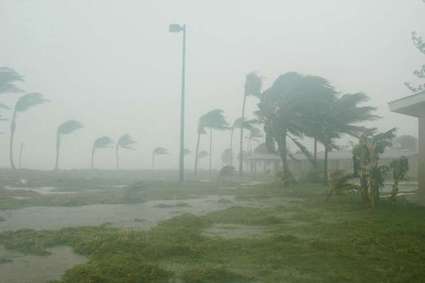
As summer gives way to fall, the Southeast experiences a subtle transformation. The oppressive heat begins to wane, replaced by cooler temperatures and a reduction in humidity levels. This transitional phase, however, marks the onset of hurricane season. The Southeast is particularly vulnerable to tropical cyclones, with the Atlantic hurricane season typically peaking from August to October. Hurricanes often form over warm ocean waters and can wreak havoc on coastal communities, causing wind damage, flooding, and erosion.
The phenomenon of hurricanes is not just a product of atmospheric conditions; it involves a complex interplay of oceanic temperatures and currents. As climate change continues to escalate, sea surface temperatures in the Gulf of Mexico have risen, leading to intensified hurricanes with greater wind speeds and more substantial rainfall. This alarming trend raises significant concerns regarding infrastructure resilience and the potential displacement of communities. Vulnerable populations, often situated in lower socioeconomic areas, may find themselves disproportionately affected by these catastrophic events.
The fascination surrounding the Southeast’s climate extends beyond mere meteorological observations. The interplay between heat, humidity, and hurricanes unveils deeper issues inherent in climate science and policy-making. Observers may marvel at the beauty of a thunderstorm or the lush vegetation that flourishes despite oppressive heat, yet the underlying vulnerabilities and risks associated with these climatic phenomena must not be overlooked.
Efforts to address the impacts of rising temperatures and increasingly severe weather patterns necessitate a multifaceted approach. Community engagement and enhanced preparedness are crucial steps in mitigating the adverse effects of climate change. Low-lying coastal communities are particularly at risk, necessitating comprehensive disaster preparedness plans and infrastructure adaptations. Elevating homes, improving drainage systems, and implementing coastal restoration projects can enhance resilience against hurricane impacts.
Moreover, climate education is imperative for fostering awareness and inspiring action. Teaching communities about sustainable practices and the inevitable shifts in weather patterns can empower individuals to contribute to resilience-building efforts. From reducing carbon footprints to engaging in local conservation initiatives, collective action can drive meaningful change and promote environmental stewardship.
Ultimately, the climate of the Southeast is a reflection of ongoing changes that necessitate vigilance and adaptation. The region’s historically humid summers and susceptibility to hurricanes point to a pressing reality that transcends attraction to aesthetic wonder. As the effects of climate change become increasingly evident, understanding the intricacies of this climate is paramount for future sustainability. The Southeast’s signature climate, steeped in both beauty and peril, serves as a poignant reminder of nature’s power and humanity’s capacity to adapt and thrive.
The exploration of the Southeast’s climate is not merely an academic endeavor. It resonates with urgent implications for the local population’s livelihood, ecological integrity, and overall resilience in the face of an evolving climate. Hence, as we forge ahead, vigilance, education, and adaptive strategies will be essential in navigating the complex challenges posed by the intricate dance of heat, humidity, and hurricanes.