
What is it that draws millions of people to the Mediterranean Sea each year? Is it the sun-drenched shores, the azure waters, or perhaps the rich cultural tapestry that thrives in its vicinity? The allure of this magnificent region, characterized by its climate, is undeniable. The Mediterranean climate is distinct, and it warrants exploration to understand the intricacies of its environmental dynamics, seasonal shifts, and the implications of climate change.
The Mediterranean Sea experiences a unique climatic phenomenon known as the Mediterranean climate, which is primarily defined by its distinct wet and dry seasons. This climate is prevalent in regions surrounding the sea, including Southern Europe, parts of North Africa, and the Levant. The summer months see a sultry embrace of warmth coupled with scant rainfall, while the winter months offer more precipitation, albeit still relatively mild compared to other regions.
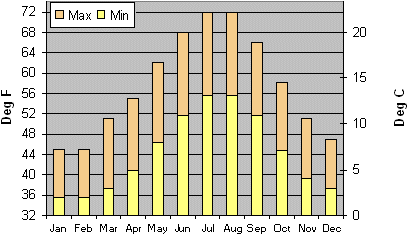
On average, summer temperatures soar, often exceeding 30 degrees Celsius (86 degrees Fahrenheit), accompanied by humidity that can create a sweltering atmosphere. The dry season, which typically stretches from June to September, showcases an annual fluctuation in temperature that exacerbates the existential challenges posed by climate change. How will the intricacies of weather patterns evolve in the face of global warming? This particular question necessitates consideration, as it introduces a potential challenge to the unique ecosystems flourished in the Mediterranean basin.
Winter, conversely, invites a metamorphosis. From December to February, the Mediterranean experiences comparatively cooler temperatures, often ranging from 5 to 15 degrees Celsius (41 to 59 degrees Fahrenheit). Rainfall during this season, a vital component for sustaining regional flora and fauna, nourishes the parched earth. However, this precipitation is often erratic, and more intense storm events are becoming increasingly frequent, raising alarm bells about future environmental stability.
Variability in precipitation patterns directly affects agricultural practices within the basin. The Mediterranean is renowned for its olive groves, vineyards, and citrus orchards—each of which thrives under the region’s climatic conditions. With climate change exacerbating the predictability of weather patterns, these agricultural staples face unprecedented risks. Farmers and agronomists must adapt, innovating techniques that align with the shifting climatic paradigm to safeguard crop yields and sustainability.
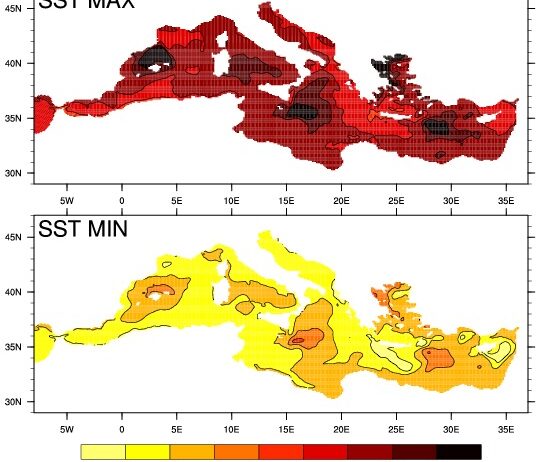
Moreover, the Mediterranean Sea is not isolated; its interactions with neighboring climates further complicate its environmental equilibrium. For example, rising ocean temperatures threaten marine biodiversity, disrupting delicate ecosystems and causing certain species to migrate or even face extinction. The phenomenon of ocean acidification, driven by increased carbon dioxide absorption, poses additional risks to marine life, particularly for organisms such as mollusks and corals that form the backbone of marine ecosystems.
As we embark on this exploration of the Mediterranean climate, it’s imperative to consider the anthropogenic factors contributing to these shifts. Human activities, from industrialization to rampant tourism, have played a significant role in altering the natural balance of the environment. Coastal development, in particular, poses a challenge to the delicate coastline and its ecosystems, leading to habitat destruction and increased vulnerability to climate-related disasters.
In light of these realities, contemplating the rich biodiversity of the Mediterranean becomes all the more critical. The region is home to myriad species, both terrestrial and aquatic, each uniquely adapted to their surroundings. Yet, as climate shifts unravel, these species find themselves grappling with the consequences. From the seagrass meadows essential for carbon sequestration to the migratory birds dependent on seasonal shifts, all creatures face existential dilemmas.
Climate change will likely manifest in the Mediterranean Sea through more extreme weather patterns—altering not only temperatures but also wind patterns and local climates. These transitions can lead to heatwaves, devastating storms, and droughts that can disrupt the balance of life within and around the sea. Communities once reliant on predictable seasonal changes now confront uncertainties, as they must brace for unpredictability.
In the face of such challenges, what solutions might emerge? Adaptive measures and strategic planning become indispensable tools for both environmentalists and policymakers. Employing sustainable practices in agriculture, establishing protected marine areas, and promoting responsible tourism can help maintain the resilience of this cherished region. Implementing policies that prioritize conservation efforts will contribute to the mitigation of climate change impacts, ensuring that future generations can still revel in the beauty and bounty of the Mediterranean.
The question remains: are we prepared to meet the challenge posed by climate change? Will we act decisively to preserve the Mediterranean’s unique climate and ecosystem? The answer lies in collective responsibility and action. In acknowledging the severity of the situation, coastal communities, governments, and organizations must work together to engender awareness and foster practices that reflect respect for this irreplaceable region.
Ultimately, understanding the climate of the Mediterranean Sea is more than just an academic pursuit. It serves as a clarion call to explore and protect a vibrant part of our planet’s heritage. As the seasons continue to shift and the clock ticks toward an uncertain future, recognizing our role in shaping tomorrow’s climate is paramount. The Mediterranean beckons us to act now for the sake of its sun, sea, and the delicate balance of life it supports.